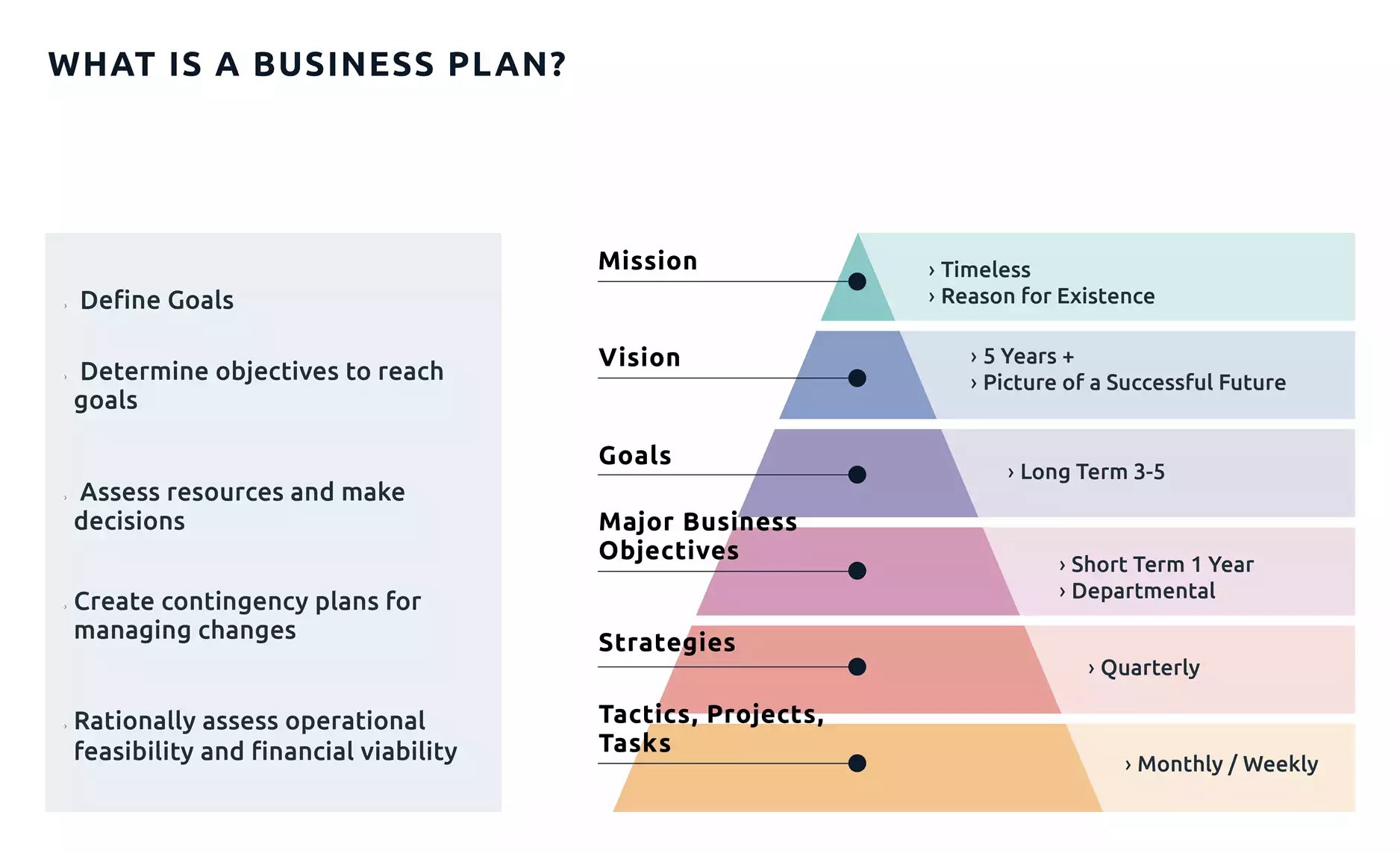
A roadmap is a strategic plan that defines a goal or desired outcome and includes the major steps or milestones needed to reach it. It also serves as a communication tool, a high-level document that helps articulate strategic thinking—the why—behind both the goal and the plan for getting there.
A business roadmap is a visual representation of your business strategy. It outlines the steps, goals, initiatives, and milestones needed to achieve your long-term plans. A business roadmap is also more tactical, focusing on how you will reach your objectives.
Eight Bukets – Challenge
Six – Create Value – Capture Value
I’m giving you the map, now you must walk the path
This article breaks down everything you need to know about uncut diamonds and how you can make a smart investment.
Filling in some gaps in your jewellery knowledge or trying to discover some untold secrets in the jewellery business? Uncut diamonds are not something that are often talked about. This article breaks down everything you need to know about uncut diamonds and how you can make a smart investment when picking out gorgeous stone jewellery.
Uncut Diamond Jewellery explained?
An uncut diamond, as suggested by the name, is a diamond in its most natural form. Prior to any shaping to enhance proportion, symmetry and polish involved in diamond cutting, an uncut diamond is a raw diamond that is completely virgin and free from human manipulation.
What is an uncut Diamond worth and why are Diamonds cut?
Apart from their quirky edge, there is not a whole lot of value in purchasing raw diamonds. Uncut diamonds are typically worth less than traditionally cut diamonds as their unpolished, rough edges hinder how well light is refracted. This reduces their sparkle and brilliance, thus reducing their market value.
What does a raw uncut Diamond look like?
An uncut diamond is often bumpy and dull with no real structure. An acquired taste, uncut diamond rings provide a uniqueness and level of beauty some like to hold with others even looking for a rough diamond ring to mark their love.
Diamond Cut Breakdown
To create beautiful diamonds that are worth thousands, diamond cutters have the difficult job of trying to create finished products which align in proportion, symmetry and polish. Make no mistake, while this is easy to decide in theory, cutting diamonds is a challenge where compromises often have to be made. Compromising factors such as diamond weight, to create the right proportions and symmetry, or proportions and symmetry to avoid cutting further diamond and reducing weight.
In a similar way to natural diamonds, poorly cut diamonds can also refract light badly, resulting in little to no sparkle and less spread for your carat weight. To identify how you can be savvy and well informed when choosing your own diamond jewellery, here is everything you need to know about cuts.
Developed in the 1940’s to 1950’s by the Gemological Institute of America (GIA), cut grades were developed to allow independent labs to identify a diamond’s clarity, colour and structure. A prime example of a predetermined cut grade is a brilliant cut diamond which will have 57 or 58 facets accurately cut and defined. While miniature, this provides a system to govern how well a diamond will sparkle.
While they offer a significant discount in price, poorly cut diamonds lack luster and you will be paying for a diamond without any sparkle. To ensure that you have an effective diamond that is worthwhile, we always suggest purchasing a diamond with an “excellent” to “good” cut. However, if you are still interested in purchasing a diamond of a lower cut, we suggest taking a look in person under various lighting conditions to avoid any disappointment.
Website, other related websites and blogs created as a scratch base pilot project for merging and evolving to something better and highly valuable.
HubSpot, Zoho CRM, and Pipedrive cover most of the “which CRM should my small business use” searches between them, and each takes a different stance on free access: HubSpot and Zoho both offer genuinely usable free tiers, while Pipedrive skips free entirely in favor of a 14-day trial. We compared official pricing across all three to see where each one actually fits.
At a Glance
CRM
Free Plan
Entry Paid Tier
Best For
HubSpot
Up to 2 users, 1,000 contacts
Starter, normally $20/seat/mo
Teams that may need marketing/service tools later
Zoho CRM
Up to 3 users, forever free
Standard, $14/user/mo (annual)
Budget-conscious teams wanting the most features per dollar
Pipedrive
None (14-day trial)
Lite, $14/seat/mo (annual)
Sales teams who want a visual pipeline from day one
Short Verdict
Zoho CRM gives the most CRM for the least money at every paid tier we could confirm — $14/user/month (billed annually) for Standard versus $20 or more elsewhere — but HubSpot’s free plan and ecosystem make more sense if you expect to eventually bolt on marketing or service tools from the same vendor. Pipedrive skips the free tier entirely, but its $14/seat/month Lite plan is built around pipeline visualization in a way the other two treat as one feature among many.
HubSpot: Free Tools, Paid Depth
HubSpot’s free CRM covers up to 2 users and 1,000 contacts with no time limit, plus limited versions of its marketing, sales, and service tools (1 meetings link, 3 canned snippets, 3 email templates, 2,000 email sends/month). Starter removes HubSpot branding from live chat, email, and landing pages, and is listed starting at $7/seat/month as a limited-time new-customer discount off a normal $20/seat/month, with 500 HubSpot credits, calling minutes, up to 50 sales workflows, and up to 15 pipelines. Professional and Enterprise step up further into HubSpot’s bundled Customer Platform, which starts at $1,300/month (6 seats included) for Professional and $4,700/month (8 seats included) for Enterprise — but that pricing covers the full marketing-sales-service bundle, not a standalone CRM/Sales Hub tier, and HubSpot’s public pricing pages didn’t list standalone Sales Hub Professional/Enterprise pricing separately at the time of writing. Check hubspot.com or talk to sales for that specific number if you only need the CRM/sales side.
Zoho CRM: The Most Features Per Dollar
Zoho CRM’s free plan covers up to 3 users forever, with contact management, workflow automation, up to 10 custom email templates, task/meeting/call tracking, and 5,000 API calls per day. Its paid tiers, confirmed on Zoho’s official pricing page, are Standard at $14/user/month billed annually ($20 billed monthly), Professional at $23/user/month annually ($35 monthly), and Enterprise at $40/user/month annually ($50 monthly). Standard adds email integration, mass emails, built-in calling, and multiple sales pipelines; Professional adds AI agents, inventory management, and CPQ tools; Enterprise adds multi-team management, field-level encryption, and a developer sandbox. A separate Ultimate tier exists above Enterprise for large, bespoke deployments, but Zoho doesn’t publish its price.
Pipedrive: Built Around the Pipeline
Pipedrive has no free tier, only a 14-day trial with no credit card required. Its four paid tiers, confirmed on Pipedrive’s official pricing page, are Lite at $14/seat/month billed annually (lead, calendar, and pipeline management, AI-powered reports, 500+ integrations), Growth at $39/seat/month (full email sync and automation), Premium at $59/seat/month (lead routing, custom lead scoring, e-signatures — marked “Most Popular” on Pipedrive’s own page), and Ultimate at $79/seat/month (advanced account security, phone/email data enrichment, a sandbox account). Add-ons like LeadBooster, Projects, and Campaigns are available on any plan starting around $13.33–$41/month. All prices are VAT-exclusive.
Pros and Cons
HubSpot pros: genuinely usable free tier; scales into a full marketing/sales/service platform under one login. Cons: standalone CRM pricing above Starter isn’t transparently published; the full Customer Platform bundle is expensive if you don’t need every hub.
Zoho CRM pros: lowest confirmed price per user at every paid tier; a genuinely free plan for teams of 3 or fewer. Cons: interface and setup have a steeper learning curve than Pipedrive’s; higher tiers’ exact feature boundaries take some digging to confirm.
Pipedrive pros: the most visually intuitive pipeline of the three; strong integration ecosystem even on the entry tier. Cons: no free plan at all; add-ons for lead generation and e-signatures cost extra on top of the base seat price.
Who Should Pick Which
Pick HubSpot if you want to start free and might eventually want marketing or customer-service tools from the same vendor under one roof. Pick Zoho CRM if price-per-seat is the deciding factor and you’re comfortable with a slightly denser setup process. Pick Pipedrive if your team thinks in terms of a visual sales pipeline first and you don’t mind skipping a free tier in exchange for a more sales-specific design from day one.
Bottom Line
For pure price-per-seat, Zoho CRM wins at every tier we could confirm directly against official pricing. HubSpot’s free plan is the easiest on-ramp if you’re starting from zero and might grow into its wider platform, and Pipedrive is worth the lack of a free tier if pipeline visualization is what your sales process actually runs on.
WooCommerce and Shopify answer the same question — how do I sell things online — with opposite philosophies. WooCommerce is a free WordPress plugin you self-host and extend piece by piece; Shopify is a fully hosted subscription platform where almost everything is included from day one. We compared official pricing and fee structures for both to see what each one actually costs in practice.
At a Glance
WooCommerce
Shopify
Core cost
Free plugin, no monthly fee
From $29/mo (billed yearly) on Basic
Hosting
Separate cost: $25–$350/mo typical
Included
Card processing
~2.5–2.9% + 30¢ via WooCommerce Payments
2.9% + 30¢ (Basic) down to 2.5% + 30¢ (Advanced)
3rd-party gateway fee
None
2% (Basic) down to 0.6% (Advanced)
Best for
Owners who want full control and are comfortable managing a WordPress site
Owners who want everything included and minimal setup
Short Verdict
“WooCommerce is free, Shopify costs $29/month” is the comparison most people start with, and it’s misleading. WooCommerce’s core plugin really is free, but hosting, premium extensions ($29–$299/year each), and a developer’s time to maintain it all add up — typical total costs land around $300–$500/year in extensions alone, on top of hosting. Shopify’s subscription is higher on paper, but it bundles hosting, security, and support, and its real differentiator shows up in its tiered third-party transaction fee, which punishes stores that don’t use Shopify Payments more at lower tiers.
WooCommerce: Pay for What You Add
WooCommerce itself has no subscription fee, no platform fee, and no revenue share — it’s free to download from WordPress.org and install on any WordPress site. Its real costs come from four places: hosting (typically $25–$350/month depending on traffic and host), premium extensions for things like advanced shipping, subscriptions, or booking ($29–$299/year each, à la carte), a theme if the default doesn’t fit, and payment processing. WooCommerce Payments charges roughly 2.5–2.9% plus 30¢ per transaction, and crucially, WooCommerce itself adds no extra fee if you use a different payment gateway instead — you only pay that processor’s own rate.
Shopify: Pay for Everything Included
Shopify bundles hosting, security, uptime, and support into a flat monthly subscription with four core tiers: Basic at $29/month (billed yearly; $39 billed monthly), Grow at $79/month ($105 monthly), Advanced at $299/month ($399 monthly), and Plus starting from $2,300/month for high-volume merchants. Card processing rates improve as you move up — 2.9%+30¢ on Basic down to 2.25%+30¢ on Plus for Shopify Payments — and there’s a separate, often-overlooked third-party transaction fee (2% on Basic, down to 0.2% on Plus) charged only if you use a payment gateway other than Shopify Payments. Staff accounts also scale by tier: Basic includes only the owner account, Grow adds up to 5 more, Advanced up to 15, and Plus is unlimited. New stores can start with a 3-day free trial followed by $1/month for the first three months.
Where the Real Cost Difference Shows Up
Small stores: WooCommerce can be genuinely cheaper if you already have WordPress hosting and keep extensions minimal; Shopify’s $29–$39/month floor is a fixed cost regardless of sales volume.
Stores not using the platform’s own payment processor: Shopify’s third-party transaction fee (2% at the Basic tier) is a cost WooCommerce simply doesn’t have — it never charges extra for using a non-default payment gateway.
Multi-staff teams: Shopify’s Basic plan allows no additional staff accounts at all, which pushes small teams toward Grow ($79/month) faster than the sticker price suggests.
Developer time: WooCommerce’s lower subscription cost often trades for more setup and maintenance time, whether that’s your own time or a developer’s.
Pros and Cons
WooCommerce pros: free core, full control over hosting and code, no extra fee for third-party payment gateways. Cons: you’re responsible for hosting, security, and updates; costs are unpredictable and scale with how many extensions you need.
Shopify pros: hosting, security, and support included; predictable flat monthly cost; staff and app ecosystem scale cleanly by tier. Cons: a real monthly floor even with zero sales; a third-party transaction fee if you skip Shopify Payments; Basic tier allows no extra staff accounts.
Who It’s a Good Fit For
WooCommerce fits store owners who already run a WordPress site, want full control over hosting and customization, and are comfortable (or have a developer who is) managing updates and extensions themselves. Shopify fits owners who want to launch fast with everything bundled and predictable, and who are comfortable using Shopify Payments to avoid the third-party transaction fee.
Who Should Look Elsewhere
If you don’t want to manage hosting, security updates, or plugin compatibility at all, WooCommerce’s self-hosted model will feel like ongoing work rather than a one-time setup — Shopify is the better fit. If your margins can’t absorb a fixed monthly subscription regardless of sales volume, WooCommerce’s pay-as-you-add model is the safer starting point.
Bottom Line
Neither platform is cheaper in every scenario — WooCommerce trades a lower subscription floor for unpredictable, scattered costs across hosting and extensions, while Shopify trades a higher flat fee for everything bundled and a transaction fee that specifically penalizes skipping its own payment processor. Match the model to how much hands-on management you actually want, not just the headline price.
WP Rocket is the WordPress caching plugin most often recommended to people who don’t want to touch a settings panel full of toggles. Unlike LiteSpeed Cache (reviewed separately on this site), it has never offered a free tier — every feature sits behind a paid license from the first install. Here’s what that license actually buys, and when it’s worth paying for caching that a free plugin could also provide.
At a Glance
Plan
Price
Sites Covered
Single
$3.49/mo, billed yearly
1 website
Plus
$6.99/mo, billed yearly
3 websites
Multi
$17.49/mo, billed yearly
50 websites (100- and 500-site options also offered)
Flag for readers: the prices above were shown on WP Rocket’s official pricing page as discounted from standard rates of $5, $10, and $25/month respectively — the company runs frequent promotions, so check wp-rocket.me for the current price before buying.
Short Verdict
WP Rocket’s pitch is simplicity: install it, and roughly 80% of standard performance best practices apply automatically, without the dense settings panel LiteSpeed Cache or WP Super Cache hand you instead. That convenience is the entire value proposition, since there’s no free tier to fall back on and most of what it does can technically be replicated with free plugins and more manual configuration. For site owners on Apache or Nginx hosting who want caching to just work, it’s worth the $41.88/year starting price; for anyone already on LiteSpeed-based hosting, the free LiteSpeed Cache plugin covers similar ground at no cost.
What It Is
WP Rocket is a page caching and optimization plugin built by WP Media. Unlike LiteSpeed Cache, it doesn’t depend on a specific web server to unlock its main feature — its caching engine works on standard Apache and Nginx hosting out of the box, which is most of the shared and managed WordPress hosting market. On top of caching, it handles LazyLoad for images and iframes, Preload to warm the cache ahead of real visitors, Delay JS to defer non-critical scripts, and Remove Unused CSS to trim what each page loads.
Key Features
Page caching: works on standard Apache/Nginx hosting without server-specific configuration.
LazyLoad, Preload, and Delay JS: deferred loading for images, iframes, and non-critical scripts, plus cache pre-warming.
Remove Unused CSS: strips CSS rules a given page doesn’t actually use.
RocketCDN: a content delivery network covering three key pages for free across 10 edge locations with no bandwidth limit, included on every plan.
Rocket Insights: a built-in performance hub included at no extra charge on all plans.
Compatibility: multilingual cache handling and support for major eCommerce plugins out of the box.
Pricing Breakdown
WP Rocket sells three standard plans, all billed annually: Single covers 1 site, Plus covers 3 sites, and Multi covers 50 sites, with larger 100- and 500-site options also listed. Licenses above 500 sites go through a custom quote. Every plan includes a 14-day trial window and a refund guarantee, and the company’s own pricing page notes that renewal billing runs upfront for the first three years. The plugin itself does not differentiate core caching features by plan tier — the difference across Single, Plus, and Multi is purely how many sites one license covers, not which features you get.
Pros
Works on any standard host — no dependency on a specific web server, unlike LiteSpeed Cache’s headline caching feature.
About 80% of optimization best practices apply automatically with minimal configuration.
A basic CDN (RocketCDN) is included free on every plan rather than sold as a separate add-on.
A single flat per-site price with no feature gating between tiers — you’re only paying for more site licenses, not more features.
Cons
No free tier at all — you’re paying from the first day, with no option to test it without a card.
Displayed prices reflect an active promotion as of this writing; confirm the current rate before buying since WP Rocket runs frequent sales.
If your host already runs LiteSpeed, the free LiteSpeed Cache plugin covers most of the same ground at no cost.
RocketCDN’s free tier only covers three key pages — a full-site CDN still requires a separate service.
Who It’s a Good Fit For
Site owners on standard Apache or Nginx hosting who want caching and asset optimization to work with minimal configuration, and who’d rather pay a small annual fee than spend time tuning a denser free plugin, are the core audience. Agencies managing several client sites also benefit from the Plus and Multi tiers bundling multiple site licenses under one subscription.
Who Should Look Elsewhere
Anyone on LiteSpeed-based hosting should try the free LiteSpeed Cache plugin first — its server-level caching and asset optimization suite covers similar ground without an annual fee. Budget-conscious site owners willing to tolerate a steeper learning curve on a free alternative can also skip WP Rocket entirely.
Bottom Line
WP Rocket’s value is convenience, not exclusivity — almost everything it does can be replicated with free plugins and more manual setup. For $3.49/month and up (at current promotional pricing), that convenience is a fair trade for most non-LiteSpeed hosts; if your host already runs LiteSpeed, try the free plugin before paying for this one.
Three names dominate WordPress security plugin recommendations, and each one is built around a different bet about what site owners actually need most: an active firewall that’s free from day one (Wordfence), a guaranteed cleanup if the worst happens (Sucuri), or a lighter hardening layer bundled with a Patchstack vulnerability feed (Solid Security, formerly iThemes Security). We compared official pricing and free-tier depth across all three.
At a Glance
Plugin
Free Version
Entry Paid Price
Best For
Wordfence
Active firewall + scanner (30-day-delayed rules)
$149/yr (Premium)
A real firewall at zero cost
Sucuri
Monitoring/scanning only, no active firewall
$229/yr (Platform) or $9.99/mo (Firewall)
Guaranteed malware cleanup if you’re hacked
Solid Security
Login hardening + file monitoring, no firewall
$99/yr (Pro, 1 site)
Lightweight hardening plus a vulnerability feed
Short Verdict
If you want one plugin that actively blocks attacks for free, Wordfence wins outright — it’s the only one of the three that ships a working firewall before you pay anything. If what you actually fear is getting hacked and needing it fixed, Sucuri’s paid Website Security Platform is built specifically for that, with unlimited cleanup baked into every tier starting at $229/year. Solid Security Pro sits in between on price ($99/year) but asks you to pair it with another firewall, since its own strength is login hardening and the Patchstack vulnerability database rather than request-level blocking.
Wordfence: The Free Firewall
Wordfence’s free tier (5 million+ active installs, 4.7/5 on WordPress.org) includes a genuine web application firewall, a malware scanner that checks core/theme/plugin files against WordPress.org’s versions, brute-force protection, CAPTCHA, passkeys, and 2FA, plus unlimited multi-site management through Wordfence Central. The catch: free users get firewall rules and malware signatures 30 days after Premium subscribers. Premium removes that delay for $149/year per site and adds a real-time IP blocklist, country blocking, and a remote audit log. Above that, Care ($590/year) and Response ($1,250/year) add a human analyst and incident response rather than just faster software.
Sucuri: Insurance Against the Worst Case
Sucuri’s free plugin (600,000+ installs, 4.2/5) is deliberately limited to monitoring: audit logging, file integrity checks, remote malware scanning, and blocklist monitoring, with no active firewall included. Its paid Website Security Platform starts at $229/year for Basic (30-hour malware response, scans every 12 hours), rising to $339/year for Pro and $549/year for Business (6-hour response, scans every 30 minutes), with every tier including unlimited manual cleanup if you’re hacked. A separate Firewall product is billed monthly ($9.99 Basic, $19.98 Pro) and sits in front of the site as a reverse proxy. The split between Platform and Firewall pricing is the main source of confusion shopping Sucuri.
Solid Security: Hardening Plus a Vulnerability Feed
Solid Security (the plugin formerly known as iThemes Security, rebranded after iThemes became SolidWP) takes a different approach: its free version focuses on brute-force protection, monitoring critical WordPress files for changes, and enforcing strong passwords, without an active firewall of its own. Solid Security Pro costs $99/year for a single site and bundles in Patchstack’s vulnerability database on top of the free feature set. The vendor also sells multi-site license bundles above the single-site price — check solidwp.com directly for current multi-site pricing, since we could only confirm the single-site figure against an official source at the time of writing.
Pros and Cons
Wordfence pros: free active firewall, largest install base, unlimited free multi-site dashboard. Cons: 30-day delay on free-tier rules; no bundled cleanup guarantee below $590/year.
Sucuri pros: unlimited malware cleanup on every paid Platform tier; CMS-agnostic, works beyond WordPress. Cons: no firewall at all on the free plugin; pricing split across two separate products.
Solid Security pros: cheapest paid entry point at $99/year; Patchstack vulnerability feed included. Cons: no active firewall even on Pro, so it needs pairing with another tool for request-level blocking.
Who Should Pick Which
Pick Wordfence if you want the strongest free, active defense and can live with (or pay $149/year to remove) the 30-day rule delay. Pick Sucuri if your real worry is what happens after a breach and you want guaranteed cleanup bundled into the price rather than billed as an emergency add-on. Pick Solid Security if you already have firewall coverage elsewhere (including from your host) and just want cheap, well-regarded login hardening plus a vulnerability feed layered on top.
Bottom Line
None of these three plugins is strictly “the best” — they’re solving different problems. Wordfence is the prevention-first free option, Sucuri is the cleanup-guarantee option, and Solid Security is the budget hardening layer. Most sites are actually best served by picking one firewall-capable option (Wordfence, or a host-level firewall) and deciding separately whether they want a cleanup guarantee (Sucuri) on top of it.
Wordfence is the most-installed security plugin in the WordPress repository, and the reason is its free tier: a real web application firewall and malware scanner that most competitors hold back for paid customers. The catch is a 30-day delay on the rules and signatures that make that firewall effective against the newest threats. Here’s what you get for free, what Premium actually buys back, and where the much pricier Care and Response tiers fit in.
At a Glance
Tier
Price
Best For
Free
$0
An active firewall and malware scanner with no budget
Premium
$149/yr per site
Real-time firewall rules and signature updates
Care
$590/yr per site
Hands-on setup help plus incident response if you’re hacked
Response
$1,250/yr per site
24/7/365 incident response with a 1-hour SLA
Active installs: 5,000,000+ | Rating: 4.7/5 from 5,034 reviews on WordPress.org
Short Verdict
Wordfence’s free version is unusually generous for a security plugin: a working firewall, a malware scanner, brute-force and 2FA login protection, and unlimited multi-site management through Wordfence Central, all at no cost. The tradeoff is that free users get firewall rules and malware signatures 30 days after Premium users do, which matters most in the narrow window right after a new vulnerability is disclosed. For most small sites, free Wordfence is a legitimately strong baseline; for anyone running a site that would hurt to lose even briefly, the $149/year jump to Premium closes a real gap.
What It Is
Wordfence is built by Defiant, Inc., and it combines three things most sites need separately: an application-layer firewall that filters malicious requests before they execute, a scanner that compares your core files, themes, and plugins against the official WordPress.org versions to catch tampering, and a set of login-hardening tools (brute-force lockouts, CAPTCHA, passkeys, and two-factor authentication). Wordfence Central, also free, lets you manage firewall and scan status across an unlimited number of sites from one dashboard — a feature many competitors charge for once you pass two or three sites.
Free vs. Premium: What Actually Changes
The free version is not a stripped-down trial — it includes the firewall, the scanner, login security, Live Traffic monitoring, and Wordfence Central for unlimited sites. What Premium adds is speed and reach:
Real-time firewall rules and malware signatures: free users wait 30 days after a new rule or signature ships; Premium gets it immediately.
Real-time IP blocklist: blocks requests from IPs Defiant has identified as actively malicious, as they’re identified.
Blocklist monitoring: checks whether your domain or IP has landed on a major blocklist.
Country blocking: block traffic from entire countries at the firewall level.
Remote, tamper-proof audit log storage, plus more frequent and schedulable scans, and checks for spam/spamvertising.
Paid, ticket-based support instead of the community-only support free users get.
The 30-day delay is the detail that matters most: a zero-day plugin vulnerability gets exploited fastest in the first days after disclosure, which is exactly the window free users aren’t protected in by the newest firewall rule.
Care and Response: Buying a Human, Not Just Software
Care ($590/year) and Response ($1,250/year) sit above Premium and are aimed at site owners who want a person on the other end, not just faster automation. Care adds a dedicated analyst for installation, configuration, and optimization, a yearly security audit with a follow-up Q&A, and full incident response — investigation, malware removal, blocklist removal, SEO cleanup, and an after-action report — if you do get hacked. Response adds 24/7/365 availability, a 1-hour response time commitment, and the option of a second yearly audit. Both are priced closer to a managed security service than a plugin license, which makes sense given what they include.
Pros
A genuinely active firewall and malware scanner in the free tier — not just a monitoring layer.
Unlimited free multi-site management through Wordfence Central.
5 million+ active installs and a 4.7/5 rating give it the largest track record of any WordPress security plugin.
Premium’s $149/year is a single, clear price — no confusing split between firewall and cleanup products.
Cons
The 30-day rule/signature delay on free is a real security gap during the riskiest early window after a vulnerability disclosure.
No bundled cleanup guarantee at the Premium tier — getting hands-on incident response means jumping all the way to Care at $590/year.
Country blocking and the real-time IP blocklist are Premium-only, which matters more for sites fighting active, targeted attacks.
Support on the free tier is community-only; nothing paid-ticket-based until Premium.
Who It’s a Good Fit For
Small sites, blogs, and budget-conscious store owners who want a real firewall at zero cost will get solid protection from the free version alone. Anyone running a site where even brief downtime or a breach would be costly — an e-commerce store, a client site under an agency’s management, a membership site — should treat the $149/year Premium upgrade as a cheap insurance policy against the 30-day lag.
Who Should Look Elsewhere
If what you actually want is a guarantee that someone will manually clean up a hack rather than just try to prevent one, Sucuri’s paid Website Security Platform (reviewed separately on this site) bundles unlimited malware cleanup into every tier starting at $229/year — a different kind of coverage than Wordfence sells below its $590/year Care plan.
Bottom Line
Wordfence’s free tier is one of the best deals in WordPress security, but the 30-day delay on firewall rules and malware signatures is a real, specific gap, not a marketing footnote. If your site can tolerate that lag, stay free. If it can’t, $149/year for Premium is a small price for closing the window that matters most.
Gartner now projects global data center electricity demand will rise 27% in 2026 alone, to 132 gigawatts, with AI-optimized servers — the GPU racks that train and run today’s models — the single biggest driver of that growth. Almost none of that capacity is being bought outright by the companies training AI models; it’s being rented by the hour from cloud GPU providers. Here’s how the four most-used options actually price an NVIDIA H100, the GPU most AI workloads still train on.
At a Glance
Provider
H100 On-Demand ($/GPU-hr)
B200 On-Demand ($/GPU-hr)
Pricing Model
Lambda
$2.49 (1x PCIe) – $3.49 (8x SXM)
$6.69 – $6.99
Per-GPU, on-demand or 3-year reserved
RunPod
$2.89 (PCIe) – $3.99 (SXM)
$7.99
Per-GPU, per-second billing (Pods)
CoreWeave
$4.25 (PCIe) – $4.76 (HGX/SXM)
Not published (contact sales)
À la carte: GPU, vCPU, and RAM priced separately
AWS (EC2 P5)
~$6.88 effective (8x H100 bundled)
Not generally available on P5
Full-instance on-demand, or reserved/savings plans
Best for: startups and independent researchers who want to rent raw GPU capacity by the hour without building or leasing a physical data center.
Short Verdict
On pure H100 price, Lambda and RunPod undercut CoreWeave and AWS by a wide margin — Lambda’s 1x PCIe on-demand rate is roughly a third of AWS’s effective per-GPU cost on a P5 instance. CoreWeave sits in the middle on list price but is built for large, often multi-year reserved clusters rather than single-GPU rentals, which is a different buying motion than the other three. AWS is the most expensive per GPU-hour, but that price bundles enterprise networking, compliance certifications, and integration with the rest of AWS that the smaller specialists don’t offer out of the box.
What This Market Actually Is
Cloud GPU rental (sometimes called GPU-as-a-service) lets a company train or run AI models on someone else’s physical hardware, billed by the GPU-hour instead of bought outright. It exists because a single NVIDIA H100 costs tens of thousands of dollars, a full 8-GPU server far more, and the data center space, power, and cooling to run one at scale is its own multi-year infrastructure project — exactly the kind of buildout Gartner’s 2026 forecast is measuring. Renting lets a team scale GPU access up or down with their actual training workload instead of carrying that capital cost themselves.
How the Four Providers Actually Price It
Lambda prices per GPU with no minimum commitment: a single H100 PCIe runs $2.49/hour on-demand, and an 8-GPU H100 SXM server works out to $3.49 per GPU-hour ($27.92/hour total). Lambda also sells 3-year reserved H100 capacity at $1.89 per GPU-hour for commitments of 64 to 32,000 GPUs — a steep discount, but only accessible at a scale most individual developers never reach. Its B200 pricing runs $6.69–$6.99 per GPU-hour depending on configuration, and it does not publish an on-demand H200 rate, listing that model as reserved-only with pricing by quote.
RunPod is priced per-GPU with per-second billing through its “Pods” product: H100 PCIe runs $2.89/hour and H100 SXM $3.99/hour, with A100 SXM and PCIe both at $1.79/hour. Its B200 rate is $7.99/hour, the highest of the four providers we could confirm a published number for. RunPod’s per-second billing (rather than per-hour minimums) makes it well suited to short, bursty jobs where you don’t want to pay for a full hour of idle GPU time.
CoreWeave prices à la carte: the GPU, vCPUs, and RAM are each billed separately rather than bundled into one instance price, so its $4.25/hour (H100 PCIe) and $4.76/hour (H100 HGX/SXM) GPU rates don’t include the compute and memory you’ll also be charged for. CoreWeave doesn’t publish a fixed B200 on-demand rate on its pricing page — it’s quote-only, which matches its positioning toward large AI labs negotiating dedicated cluster capacity rather than developers spinning up a single GPU.
AWS doesn’t sell individual H100s at all — its P5 family rents full 8-GPU instances. A p5.48xlarge (8x H100, 640GB total HBM3) runs $55.04/hour on-demand in US East, which works out to roughly $6.88 per GPU-hour when divided evenly across the 8 GPUs — though that figure bundles AWS’s networking, storage, and the rest of the instance, so it isn’t a clean apples-to-apples comparison with the GPU-only rates above. AWS also offers H200 GPUs on its P5e and P5en instance families, and reserved or savings-plan pricing can bring the effective rate down meaningfully below the on-demand figure for sustained usage.
Pros and Cons by Provider
Lambda pros: lowest on-demand H100 rates of the four; reserved pricing drops further at scale. Cons: reserved discounts only make sense at large GPU counts; H200 isn’t available on-demand.
RunPod pros: per-second billing avoids paying for idle time on short jobs; competitive A100 and H100 PCIe pricing. Cons: highest confirmed B200 rate of the four.
CoreWeave pros: built for large dedicated clusters, which suits serious AI-lab-scale training. Cons: à la carte pricing means the advertised GPU rate understates true cost; B200 pricing isn’t published at all.
AWS pros: deepest ecosystem integration, broadest compliance certifications, reserved/savings-plan options for sustained workloads. Cons: highest effective per-GPU cost of the four on a straight on-demand basis.
Who It’s a Good Fit For
Independent developers, researchers, and small AI startups training or fine-tuning models on a budget will generally find Lambda or RunPod’s on-demand per-GPU pricing cheaper and simpler than the alternatives. Teams already running production workloads on AWS, or that need AWS’s specific compliance certifications, will find the P5 family’s premium easier to justify once it’s weighed against everything else AWS already provides.
Who Should Look Elsewhere
Anyone needing a single GPU for a short job should think twice before CoreWeave, since its à la carte pricing and large-cluster orientation aren’t built for that use case. And if B200-class hardware is the actual requirement, confirm CoreWeave’s quote-only rate directly before assuming it’ll land anywhere near Lambda’s or RunPod’s published numbers.
Bottom Line
The AI boom’s data center buildout is mostly being financed by the hour, not the server rack, and that rental market has real price spread: Lambda and RunPod currently undercut CoreWeave and AWS by roughly 30–60% per H100 GPU-hour on-demand. Match the provider to the job size — small or bursty workloads favor Lambda’s or RunPod’s per-GPU pricing, while large, sustained training runs are where CoreWeave’s and AWS’s reserved and cluster-scale pricing start to close the gap.
Trello popularized the Kanban board for software teams long before Notion, Monday.com, or ClickUp existed, and it’s still the simplest board-based task tracker most people try first. Here’s exactly what the free plan includes, what Standard, Premium, and Enterprise add, and who actually needs to pay.
At a Glance
Tier
Price
Boards
Automation Runs/Month
Free
$0
Up to 10 per Workspace
250
Standard
$5/user/mo billed annually ($6 monthly)
Unlimited
1,000
Premium
$10/user/mo billed annually ($12.50 monthly)
Unlimited
Unlimited
Enterprise
$17.50/user/mo billed annually ($210/user/year)
Unlimited
Unlimited
Best for: individuals and small teams who want a simple visual board without learning a full project-management platform. Best for scaling up: teams up to roughly 100 people, per Trello’s own guidance on where Premium tops out.
Short Verdict
Trello’s free plan is more usable long-term than most “free trial” tiers: unlimited cards and Power-Ups on up to 10 boards per Workspace, plus 250 automation runs a month through Butler, covers a solo user or small team’s real workflow, not just a demo. Standard at $5/user/month mainly exists to remove the 10-board cap and raise automation and file-size limits. Premium is where Trello stops being “just a board” — Calendar, Timeline, Table, Dashboard, and Map views turn the same cards into a project-management tool, which is the real reason teams upgrade past Standard.
What It Is
Trello is a Kanban-style board tool: cards represent tasks, lists represent stages (like “To Do,” “Doing,” “Done”), and you drag cards between lists as work progresses. Power-Ups extend individual boards with integrations (Slack, Google Drive, Jira, and hundreds more), and Butler — Trello’s built-in automation engine — lets you set rules like “when a card is moved to Done, assign it to QA and add a due date” without writing code. All of this, including unlimited Power-Ups per board, is available on the free plan.
What Standard, Premium, and Enterprise Actually Add
Standard ($5/user/month billed annually, $6 month-to-month) removes the 10-board-per-Workspace cap entirely, raises file uploads from 10MB to 250MB, and lifts Butler automation from 250 to 1,000 runs a month. It also adds AI-assisted features, a Planner view, card mirroring (showing one card on multiple boards), Custom Fields, and saved searches. For a team that’s simply outgrown the free plan’s board count, Standard is the minimum upgrade.
Premium ($10/user/month billed annually, $12.50 month-to-month) is the tier most teams actually want once Kanban alone isn’t enough: Calendar, Timeline, Table, Dashboard, and Map views let you see the same cards as a Gantt-style timeline or a spreadsheet-style table instead of only a board, plus Workspace-level Table and Calendar views that span multiple boards at once. It also adds admin and security controls, Workspace collections for organizing boards, observer permissions (view-only access without a full seat), and simple data export. Trello pitches Premium as suited to teams up to roughly 100 people.
Enterprise ($17.50/user/month billed annually, which works out to $210/user/year) is aimed at organizations rather than single teams: unlimited Workspaces, organization-wide permission controls, centralized Power-Up administration, free SSO and user provisioning through Atlassian Guard, and 24/7 Enterprise Admin support. The jump from Premium to Enterprise is almost entirely about governance and multi-team administration rather than new day-to-day features.
Pros
Free plan is genuinely usable long-term, with unlimited cards and Power-Ups, not just a time-limited trial
Simplest learning curve of any major task-tracking tool — most people understand a Kanban board in minutes
Butler automation is included free, starting at 250 runs/month, which covers a lot of small-team workflow automation at no cost
Published, transparent per-user pricing with no “contact sales” step until Enterprise
Cons
No Gantt-style timeline, calendar, or table views until Premium — the free and Standard tiers are board-only
10-board-per-Workspace cap on the free plan will force an upgrade for any team juggling more than a handful of active boards
Lacks the native docs, forms, and deeper reporting that some all-in-one competitors bundle at a similar price point
Per-user pricing scales linearly with headcount, with no flat-rate option for larger teams below Enterprise
Who It’s a Good Fit For
Solo users, small teams, and anyone who wants the lowest-friction way to visualize a workflow should start on the free plan and only move to Standard once the board cap actually becomes a problem. Teams that need timeline or calendar views but don’t need a full project-management suite will get real value from Premium.
Who Should Look Elsewhere
Teams that need native docs, detailed resource planning, or portfolio-level reporting across many projects will outgrow Trello’s board-centric model regardless of tier and should compare a full work-management platform instead. Large organizations should run the per-user Enterprise cost against a competitor’s negotiated enterprise rate before assuming Trello’s published $17.50/user/month is the cheapest path at scale.
Bottom Line
Trello’s free plan remains one of the most usable free tiers in task management, and Standard and Premium scale sensibly for small-to-mid-size teams that want more views and automation without switching products entirely. The real decision point is Premium’s multi-view upgrade — everything below it is still fundamentally just a board.
Yoast SEO, Rank Math, and All in One SEO (AIOSEO) account for the overwhelming majority of SEO-plugin installs on WordPress.org between them, and each takes a different approach to what’s free versus paid. We compared official pricing and feature lists for all three to find which one fits which kind of site.
At a Glance
Plugin
Active Installs
Rating
Entry Paid Tier
Standout Free Feature
Yoast SEO
10+ million
4.8/5 (27,821 reviews)
$118.80/yr (1 site)
50+ auto-generated schema types
Rank Math
4+ million
4.8/5 (7,517 reviews)
€7.99/mo, unlimited personal sites
Advanced schema generator included free
All in One SEO
2+ million
4.7/5 (5,229 reviews)
$49.50/yr intro, 1 site
Redirection Manager and Site Audit included free
Short Verdict
Yoast wins on sheer install base and documentation; Rank Math gives away the most features for free but excludes client sites from its entry paid tier; AIOSEO’s tiers are the most clearly built around AI content credits and site count rather than a single feature ladder. None of the three is objectively “best” — the right pick depends on whether you’re optimizing a single keyphrase site (Yoast is fine on free), tracking rankings seriously across your own sites (Rank Math’s PRO), or managing client sites from day one of going paid (AIOSEO’s Plus tier or Rank Math’s Business tier).
Yoast SEO: The Safest Default
Yoast’s free version caps you to one focus keyphrase per post but otherwise covers schema, readability analysis, and XML sitemaps thoroughly. Premium is $118.80/year per site and removes the keyphrase cap, adds a redirect manager and internal linking suggestions, and includes basic AI-generated title and meta description drafts. A separate AI+ tier at $358.80/year adds AI brand-visibility tracking across chatbots and AI assistants — a different product aimed at a narrower need than classic on-page SEO. Bulk licensing knocks 5% off at 5–9 sites and 15% off at 10–24 sites.
Rank Math: The Most Generous Free Tier
Rank Math’s free tier includes an advanced schema generator and Google Search Console integration that some competitors reserve for paid plans, covering unlimited personal sites at $0. PRO (€7.99/month billed annually, renewing at €107.88/year) adds daily data refreshes, 500 tracked keywords, and Google Trends integration — but explicitly excludes client sites, so freelancers managing even one client site need Business (€24.99/month annually, 100 client sites, 10,000 keywords) instead. Agency (€54.99/month annually) raises that to 500 client sites and 50,000 keywords. One caveat: Rank Math’s official pricing pages list everything in euros with no stated USD figure, so dollar-based buyers should confirm the converted price at checkout.
All in One SEO: Built Around AI Credits and Site Count
AIOSEO’s four paid tiers — Basic, Plus, Pro, and Elite — scale primarily by site count and an “AI credits” allowance rather than by a dramatically different feature list at each step. Basic ($49.50/year intro, renewing at $99/year, 1 site, 10,000 AI credits) covers its Schema Generator, Redirection Manager, Site Audit, and Taxonomies SEO. Plus ($99.50/year intro, renewing at $199/year, 3 sites, 25,000 credits) adds Local Business SEO, Author SEO, and Image SEO. Pro ($179.55/year intro, renewing at $399/year, 10 sites, 50,000 credits) adds Link Assistant and News/Video Sitemaps, and Elite ($239.60/year intro, renewing at $599/year, 100 sites, 200,000 credits) adds keyword rank tracking, SEO statistics, and multi-site client management. Every tier’s listed intro price reflects a 50% first-year discount, and AIOSEO is explicit that renewals bill at the full rate.
Pros and Cons by Plugin
Yoast SEO pros: largest install base, most third-party documentation and compatibility testing, straightforward per-site pricing. Cons: free tier’s single-keyphrase cap is a real limitation; AI+ is priced well above Premium for a narrow use case.
Rank Math pros: most generous free tier of the three; unlimited personal sites on PRO. Cons: client sites excluded from PRO; pricing published only in euros on the pages we checked; renewal prices jump noticeably above intro pricing.
AIOSEO pros: clear site-count and AI-credit scaling makes it easy to pick a tier that matches your actual site count. Cons: intro pricing is a 50%-off first-year rate, so budget for the full renewal price; AI credits add a usage dimension the other two plugins don’t have.
Bottom Line
Start with Yoast’s free version if you’re optimizing one keyphrase per post and want the safest, best-documented plugin. Pick Rank Math if you want the most capable free tier and manage only your own sites. Pick AIOSEO if you’d rather scale a single subscription by site count and AI credits as you add client sites. Whichever you choose, budget for each vendor’s renewal price, not its first-year intro price — all three discount the first year and bill higher afterward.
Rank Math built its reputation as the SEO plugin that puts more features behind its free tier than Yoast does, and it has grown to 4+ million active installs on that pitch. Here’s what the free version actually includes, what PRO, Business, and Agency add on top of it, and a currency caveat worth knowing before you buy.
At a Glance
Tier
Price (billed annually)
Sites
Keywords Tracked
Free
$0
Unlimited
Not included
PRO
€7.99/mo (€95.88/yr intro; renews at €107.88/yr)
Unlimited personal sites (no client sites)
500
Business
€24.99/mo (€299.88/yr intro; renews at €335.88/yr)
100 client sites
10,000
Agency
€54.99/mo (€659.88/yr intro; renews at €779.88/yr)
500 client sites
50,000
Install base: 4+ million active installs, 4.8/5 from 7,517 WordPress.org reviews. Best for: site owners and agencies who want more SEO tooling in the free tier than Yoast offers, and who are comfortable with Rank Math’s pricing being quoted in euros rather than dollars on its official site.
Short Verdict
Rank Math’s free tier is noticeably more generous than most competitors’: it includes an advanced schema generator, Google Search Console integration, and support for unlimited personal sites, with the main limits being data refresh speed (every 3 days) and no client-site management. PRO mainly buys you daily data refreshes, 500 tracked keywords, and real keyword-rank reporting — genuinely useful if you’re tracking rankings seriously, not just writing on-page content. Business and Agency exist specifically for people managing client sites rather than their own, and the jump between them is almost entirely about how many client sites and tracked keywords you need, not new core features.
What It Is
Rank Math is an on-page and technical SEO plugin covering schema markup, XML sitemaps, redirections, 404 monitoring, and content analysis against target keywords, all built into the WordPress editor. Its free version already includes an advanced schema generator (a feature other plugins often reserve for paid tiers), basic Google Trends data, and setup for Google Search Console — which is part of why it has grown so quickly relative to older, more established competitors.
What PRO, Business, and Agency Actually Add
PRO (€7.99/month billed annually, working out to roughly €95.88 for the first year before renewing at Rank Math’s listed €107.88/year) covers unlimited personal websites but explicitly excludes client sites. It upgrades Google data refreshes from every 3 days to daily, extends data retention from 90 to 180 days, and adds rank tracking for up to 500 keywords, Google Trends integration inside the dashboard, and client-management tools — though support at this tier is standard 24/7, not the “priority” label reserved for higher plans.
Business (€24.99/month billed annually, roughly €299.88 for the first year, renewing at €335.88/year) is built around agencies and freelancers managing other people’s sites: up to 100 client sites, 10,000 tracked keywords, unlimited data retention, winners/losers keyword reports, and 24/7 priority support. Agency (€54.99/month billed annually, roughly €659.88 for the first year, renewing at €779.88/year) keeps the same feature set as Business but raises the ceiling to 500 client sites and 50,000 tracked keywords — it’s a volume upgrade, not a different product. Rank Math also sells a bundle that pairs PRO with WP Rocket caching for a single site at €11.99/month billed annually.
One thing worth flagging directly: Rank Math’s official pricing pages we checked list every price in euros, not U.S. dollars, and the page doesn’t state whether prices include tax (its FAQ says figures are exclusive of tax). If you’re buying from the U.S. or another non-euro market, confirm the converted, tax-inclusive price at checkout rather than assuming the euro figures above translate one-to-one.
Pros
Free tier includes an advanced schema generator and unlimited personal sites, which is more generous than most direct competitors’ free tiers
PRO’s unlimited-personal-sites model avoids per-site licensing fatigue for anyone running several of their own projects
Business and Agency tiers are built specifically around client-site management, with reporting tuned for reporting back to clients
High WordPress.org rating (4.8/5) across a large review base (7,517 reviews)
Cons
PRO explicitly excludes client sites, so freelancers managing even one client site must jump straight to Business
Pricing is published in euros with no stated U.S. dollar figure on the pages we checked, which adds friction for dollar-based buyers
Renewal prices run noticeably higher than first-year intro pricing on every paid tier
Free tier’s 3-day data refresh and 90-day retention are real limits for anyone tracking rankings actively
Who It’s a Good Fit For
Anyone running several of their own sites who wants advanced schema and search-console integration without paying per site will get real value from the free tier or PRO. Agencies that already bill clients in a way that absorbs euro-denominated software costs will find Business and Agency’s client-site tooling built for exactly their workflow.
Who Should Look Elsewhere
Freelancers managing just one or two client sites may find Rank Math’s PRO-excludes-clients structure pushes them into Business sooner than they’d like — worth comparing against a competitor that allows a small number of client sites on its entry paid tier. Buyers who want dollar-denominated pricing with no currency conversion step should check a competitor’s U.S. pricing page directly.
Bottom Line
Rank Math’s free tier earns its popularity — advanced schema and unlimited personal sites for $0 is a genuinely strong offer. Just budget for the renewal price rather than the intro price on any paid tier, and confirm your actual cost in dollars before checkout if you’re buying from outside the eurozone.
Yoast SEO has been the default WordPress SEO plugin for most site owners for over a decade, and it’s still the one most hosting companies and page builders bundle or recommend by default. That popularity means the free-vs-Premium question gets asked constantly. Here’s exactly what the free version covers, what the $118.80/year Premium license actually adds, and where the newer AI+ tier fits in.
At a Glance
Tier
Price
Sites
Key Addition
Free
$0
Unlimited
1 focus keyphrase per post, 50+ auto-generated schema types, traffic-light analysis, XML sitemaps
Premium
$118.80/year
1
Redirect manager, internal linking suggestions, multiple keyphrases, AI title/meta suggestions
Premium + AI+
$358.80/year
1
Everything in Premium, plus deeper AI tooling and AI Brand Insights (brand visibility tracking across AI platforms)
WooCommerce SEO bundle
$178.80/year
1
Premium feature set plus WooCommerce-specific product SEO
Install base: 10+ million active installs, 4.8/5 from 27,821 WordPress.org reviews — one of the most-installed plugins in the entire WordPress repository, SEO or otherwise. Best for: site owners who want the most widely documented, most broadly compatible SEO plugin and don’t need the deepest AI content-generation toolkit.
Short Verdict
Yoast’s free version is deliberately limited in one specific way: it only lets you optimize for a single focus keyphrase per post. For a lot of blogs and small business sites, that’s genuinely enough. Premium’s $118.80/year removes that cap, adds a redirect manager so you’re not hand-editing .htaccess files when you change a URL, and layers in internal linking suggestions and AI-generated title and description drafts. The jump to the $358.80/year AI+ tier is a much bigger ask, and it’s really aimed at sites that care about how they show up when people ask ChatGPT, Gemini, or Perplexity about their brand — not at typical on-page SEO.
What It Is
Yoast SEO is an on-page SEO plugin: it analyzes a post or page as you write it, scores readability and keyphrase usage with a traffic-light system (red/orange/green), auto-generates schema.org structured data for more than 50 content types, builds XML sitemaps, and gives you direct control over meta titles, descriptions, and social preview snippets. The free version handles all of that for a single focus keyphrase per piece of content, and includes free access to Yoast SEO Academy’s foundational courses.
What Premium and AI+ Actually Add
Premium ($118.80/year, 1 site) removes the single-keyphrase limit, so you can optimize one piece of content for several related keyphrases instead of picking just one. It adds a built-in redirect manager (so a changed or deleted URL slug doesn’t silently 404), internal linking suggestions and linking blocks, more advanced content analysis that recognizes word forms and synonyms across more languages, basic AI-generated title and meta description drafts, and a year of 24/7 support plus full Yoast SEO Academy access. Yoast also sells site licenses in bulk — a 5% discount applies at 5–9 sites and 15% at 10–24 sites, which brings a 10-site Premium license to roughly $1,010/year rather than the full per-site rate.
AI+ ($358.80/year, 1 site) layers on more AI-assisted content tooling on top of everything in Premium, plus Yoast AI Brand Insights — a tool aimed at tracking how a brand gets described and cited when people ask AI chatbots and assistants about it, rather than classic Google-ranking SEO. It’s a meaningfully different product focus than Premium, not just “Premium with more credits,” so it’s worth confirming you actually need AI-visibility tracking before paying three times Premium’s price for it.
Separately, Yoast sells a WooCommerce SEO bundle at $178.80/year per site, which combines the Premium feature set with WooCommerce-specific product and category SEO controls — relevant only if you’re running a WooCommerce store rather than a content site.
Pros
Enormous install base means almost every theme, host, and page builder is tested against it
Free version is fully usable for single-keyphrase SEO, not a crippled trial
Redirect manager and internal linking in Premium solve two of the most common on-page SEO headaches directly inside the editor
Bulk-site discounts make multi-site Premium licensing more reasonable for agencies
Cons
Single-keyphrase limit on the free version is a real constraint for anyone doing serious content SEO, not just a nag screen
No multi-site or agency-tier pricing below the bulk discount thresholds — it’s still a per-site license at its core
AI+ is priced far above Premium for a feature set (AI brand visibility tracking) that most sites won’t need
WooCommerce SEO and Local SEO remain separate purchases rather than being folded into one all-in-one license
Who It’s a Good Fit For
Bloggers, small businesses, and anyone who wants the most broadly documented SEO plugin with the least compatibility risk will do fine on free or Premium. If you manage several client sites, the bulk discount tiers make Premium licensing more palatable than paying full per-site price five or ten times over.
Who Should Look Elsewhere
If you’re optimizing content for multiple distinct keyphrases on a regular basis and don’t want to pay for Premium just to unlock that, a competitor whose free tier doesn’t cap keyphrase count is worth comparing. And if AI-visibility tracking is your actual goal rather than classic on-page SEO, it’s worth pricing AI+ against dedicated AI-visibility tools before assuming it’s the cheapest path there.
Bottom Line
Yoast SEO’s free version is a safe, well-supported default for single-keyphrase SEO, and Premium’s $118.80/year is a reasonable price for removing that cap and gaining a redirect manager and internal linking help. AI+ is a different, much pricier product aimed at a narrower need — don’t buy it assuming it’s simply “more Premium.”
Loox is one of the three names that dominate Shopify’s product review category, and its calling card has always been visuals: photo and video reviews, displayed in widgets designed to look good on a product page rather than like a bolted-on testimonials box. Here’s what the free plan actually includes, what the Convert and Unlimited tiers add, and how it stacks up against Judge.me, its closest free-tier rival.
At a Glance
Plan
Price
Order Limit
Key Feature
Free
$0/month
Up to 500 orders
Review requests, 17+ widgets, Google rich snippets
Convert
$49.99/month
300 orders, +$50 per extra 300
AI summaries, video reviews, Google/Meta/TikTok syndication
Unlimited
$299.99/month
Unlimited
All features, priority support
Rating: 4.9/5 from 9,941 reviews on the Shopify App Store. Best for: stores under 500 orders/month that want strong visual reviews for free, with a clear (if steep) upgrade path once AI features and wider syndication matter.
Short Verdict
Loox’s free plan is capable enough to run a small store’s entire review program at no cost, covering up to 500 orders with photo review incentives, 17+ display widgets, and SEO-friendly rich snippets. The jump to Convert at $49.99/month is steep relative to competitors and comes with its own order-based metering on top of the flat fee — go over 300 orders and you’re paying an extra $50 per 300-order block. Judge.me, Loox’s main rival, undercuts this badly at $15/month for its equivalent paid tier, which makes Loox a harder sell once you’re past the free plan’s order cap unless its specific AI and video features are what you need.
What’s Free
Review request emails and automated reminders
Discount incentives for customers who leave photo reviews
17+ display widgets, including carousels and review snippets
Google rich snippets and schema markup for SEO
Turning reviews into shareable social posts and stories
Shop App syndication and 24/7 chat and email support
Covers stores with up to 500 orders per month
What Convert and Unlimited Add
Convert ($49.99/month, covers 300 orders, then +$50 per additional 300, 14-day free trial) adds AI Smart Sorting and AI-generated review highlights, AI-written summaries and “review stories,” AI translation and AI-assisted reply drafting, video reviews, reviews attached to product bundles, post-purchase and on-site referral programs, syndication to Google, Meta, and TikTok, and full API/webhook access for custom integrations.
Unlimited ($299.99/month, 14-day free trial) removes every order cap and adds priority support — otherwise it’s the same feature set as Convert, just without metering. It’s aimed squarely at high-volume stores where the per-300-order overage charges on Convert would add up faster than a flat unlimited fee.
Loox vs. Judge.me
Judge.me is Loox’s closest direct competitor on the Shopify App Store, and the pricing gap between them is significant. Judge.me’s free “Forever Free” plan has no order cap at all and includes unlimited photo and video reviews, Google review sync, and AliExpress import — already broader than Loox’s capped free tier. Judge.me’s single paid tier, Awesome, is $15/month and includes AI replies and summaries, 130+ integrations (including Klaviyo and Gorgias), and Meta/TikTok Shop syndication — features that cost $49.99/month and up on Loox. Judge.me also edges out Loox slightly on raw rating (5.0/5 from 48,938 reviews, versus Loox’s 4.9/5 from 9,941), though both are excellent by App Store standards. Loox’s visual-first widget design and incentive-based photo review flow are still a genuine differentiator for stores that lean heavily on social proof imagery — the gap is in what you pay once you outgrow free.
Pros
Free plan is genuinely usable for stores up to 500 orders/month, not just a trial
Strong visual presentation — widgets, carousels, and photo/video incentives are built for product-page conversion, not just review collection
Very high rating (4.9/5) across nearly 10,000 reviews
Reviews sync to Google, the Shop App, Meta, and TikTok, extending visibility beyond your own storefront
Cons
Convert’s $49.99/month starting price is far above Judge.me’s $15/month equivalent tier
Order-based overage fees on Convert ($50 per additional 300 orders) make costs harder to predict as a store scales
Free plan’s 500-order cap is lower than some competitors’ uncapped free tiers
Jumping from Convert to Unlimited is a 6x price increase ($49.99 to $299.99/month) with no intermediate tier
Who It’s a Good Fit For
Stores under 500 orders a month that want strong visual review widgets without paying anything, and stores specifically drawn to Loox’s AI summarization, video reviews, or bundle-level review display enough to justify the price gap over Judge.me.
Who Should Look Elsewhere
Stores that have outgrown the free order cap and don’t specifically need Loox’s AI or video features should seriously compare Judge.me’s $15/month tier first — it covers similar ground at a fraction of Loox’s Convert price. High-volume stores should also model out Convert’s per-300-order overage fees against Unlimited’s flat price before picking either.
Bottom Line
Loox earns its reputation on visual presentation and a genuinely usable free tier, but its paid pricing is the most expensive among the major Shopify review apps relative to what you get. If budget is the deciding factor once you outgrow 500 orders a month, Judge.me is worth pricing out before you commit to Loox’s Convert tier.
Slack has been the default answer to “what do we use for team chat” for over a decade, and Salesforce’s $27.7 billion acquisition of it in 2021 hasn’t changed that basic pitch. What has changed in 2026 is how much of the product now sits behind an AI label — daily recaps, AI-powered search, and a more capable Slackbot are now pricing-tier features, not launch extras. Here’s what the free plan still covers, what each paid tier actually adds, and where the jump to Business+ starts to matter.
At a Glance
Plan
Monthly (per user)
Annual (per user/mo)
Message History
Free
$0
$0
90 days
Pro
$8.75
$7.25
Unlimited
Business+
$18
$15
Unlimited
Enterprise+
Contact sales
Contact sales
Unlimited
Owner: Salesforce (acquired Slack for $27.7 billion in 2021). Best for: small teams who can live with 90 days of searchable history on Free, with a clear upgrade trigger the moment unlimited history or SSO becomes a real need.
Short Verdict
Slack’s Free plan is still a complete, usable product for a small team — the real constraint is the 90-day message history cap and a 10-app integration limit, not a crippled feature set. Pro removes both of those limits for a modest $7.25/user/month on an annual plan, which is the tier most growing teams actually need. Business+ is a bigger jump in both price ($15/user/month) and purpose — it’s aimed at IT-managed organizations that need SAML-based SSO, SCIM provisioning, and basic compliance exports, not teams that just want more storage. Enterprise+ is a different conversation entirely: custom pricing for organizations that need multiple workspaces, enterprise-grade security, and dedicated support.
What’s Free
Slack’s Free plan includes channels, direct messages, 1:1 huddles, 1:1 Slack Connect messaging with people outside your organization, basic AI features, and up to 10 third-party app integrations — but only 90 days of searchable message history. Once a message ages past that window, it’s no longer searchable or visible in the app, which is the single biggest reason most teams outgrow Free within their first year.
What Pro, Business+, and Enterprise+ Add
Pro ($7.25/user/month annual, $8.75 month-to-month) removes the 90-day history cap entirely, lifts the integration limit to Slack’s full directory of 2,600+ apps, adds group huddles instead of 1:1 only, extends Slack Connect to up to 250 external organizations, 24/7 support, and OAuth-based SSO through Google. This is the tier that converts Slack from “basic chat” into a genuine daily-driver workspace tool.
Business+ ($15/user/month annual, $18 month-to-month) is built for organizations whose IT and compliance teams need more control: SAML-based single sign-on, SCIM user provisioning, advanced AI features including Slackbot, daily recaps, and AI-powered search, faster support with a 4-hour first-response SLA, and limited compliance tools like data exports and data residency controls.
Enterprise+ is quote-only and adds unlimited workspaces (versus one on every other tier), multi-SAML SSO, SCIM provisioning that extends to guest accounts, full compliance coverage including data loss prevention, legal holds, audit logs, and HIPAA support, enterprise-grade AI with enterprise search, and priority 24/7 support. It’s also where add-ons like the Frontline teams product and Slack’s Enterprise Key Management become available.
Pros
Free plan is a complete, usable product for small teams, not a crippled trial
Pro’s jump to unlimited history and the full app directory is inexpensive relative to what it unlocks
Huge third-party integration ecosystem (2,600+ apps) on Pro and above
Clear, published per-user pricing for Free, Pro, and Business+ — no “contact sales” needed until Enterprise+
Cons
90-day message history on Free is a hard constraint that forces most growing teams to upgrade within months
Per-user pricing adds up quickly for larger teams — Business+ at $15/user/month is $1,500/month for a 100-person team before any add-ons
SSO is OAuth-only (Google) until Business+, which may not satisfy stricter IT policies at smaller companies
Enterprise+ pricing opacity makes it hard to budget or compare against competitors like Microsoft Teams without a sales call
Who It’s a Good Fit For
Small teams can genuinely run on Free for a while, but most teams that use Slack as their daily communication hub should plan to land on Pro — unlimited history and the full integration directory are worth $7.25/user/month on their own. Business+ fits organizations whose IT department specifically requires SAML SSO or basic compliance exports.
Who Should Look Elsewhere
Organizations already standardized on Microsoft 365 may find Microsoft Teams a cheaper default since it’s often bundled into existing licensing, rather than paying for Slack on top. Budget-sensitive large teams should also run the per-seat math carefully — at scale, Slack’s pricing compounds fast compared to flatter-rate team communication tools.
Bottom Line
Slack’s Free plan is a legitimate way to start, but the 90-day history limit means most teams will land on Pro at $7.25/user/month within their first year — and that’s a reasonable, fair-priced tier for what it unlocks. Business+ and Enterprise+ exist for IT and compliance needs specifically, not for teams that just want “more” Slack.
Tutor LMS has the biggest install base of any WordPress course plugin with a free tier — 100,000+ active installs, ahead of LifterLMS’s 10,000+. Part of that is a genuinely usable free core; part of it is that Themeum, the company behind it, has leaned hard into flat, published Pro pricing with lifetime options most competitors don’t offer. Here’s what’s actually free, what Pro costs, and where the free tier’s missing pieces will push you to upgrade.
At a Glance
Plan
Annual Price
Lifetime Price
Sites
Free Core
$0
—
Unlimited
Individual
$199/yr
$499 one-time
1
Business (most popular)
$399/yr
$999 one-time
Up to 10
Agency
$799/yr
$1,999 one-time
Unlimited (annual) / up to 50 (lifetime)
Install base: 100,000+ active WordPress.org installs, 4.4/5 from 589 ratings. Best for: creators who want a genuinely free starting point with a clear, flat upgrade path — and the option to pay once instead of renewing forever.
Short Verdict
Tutor LMS’s free core covers more ground than most “freemium” LMS plugins: unlimited courses and users, content drip scheduling, live classes, a certificate builder, gamification, and even two-factor authentication and fraud protection built in. The real gap is payment processing — PayPal and manual payments work for free, but Stripe (and every other Pro add-on, from Zoom integration to multi-instructor support) requires the Pro bundle. Pro pricing is at least transparent and flat: $199 to $799 a year by site count, or a one-time lifetime payment at roughly 2.5x the first year’s annual price if you’d rather never think about renewal again.
What’s Free
Course creation: unlimited courses, lessons, and quizzes, with bundle courses, content drip scheduling, live classes, and multilingual content support
Student engagement: a certificate builder, multimedia lesson content (video, PDF, text), automated enrollment, and gamification with points, badges, and leaderboards
Analytics: automated student results, custom grading scales, an earnings graph, and a sales report with data export
Security: two-factor authentication, honeypot/reCAPTCHA fraud protection, active session management, social login, and a REST API
Monetization: PayPal and manual/offline payments
What Pro Adds
Every Pro tier unlocks the same feature set — the difference between Individual, Business, and Agency is purely site count, not functionality. Pro adds Stripe payments and other payment gateways beyond PayPal, premium course themes, priority support, and Tutor LMS’s full catalog of add-ons: content drip variations, a certificate builder with more templates, Zoom and Google Meet integration for live classes, course prerequisites, multi-instructor support, a detailed gradebook, monetization through WooCommerce/Easy Digital Downloads/Paid Membership Pro, Google Classroom integration, and AI Studio — an AI course and quiz generation tool that requires you to supply your own OpenAI API key.
The lifetime option is the detail worth noticing: Individual lifetime is $499 (versus $199/year), Business lifetime is $999 (versus $399/year), and Agency lifetime is $1,999 (versus $799/year). For a site you plan to run for more than two to three years, the lifetime license works out cheaper than annual renewals — a structure LearnDash and LifterLMS don’t currently offer at all.
Pros
Largest install base of any WordPress LMS plugin with a free tier, at 100,000+ active installs
Free core genuinely includes gamification, certificates, and security features that competitors often reserve for paid tiers
Flat, transparent Pro pricing by site count, with no feature differences between Individual/Business/Agency beyond that
Lifetime licensing option that annual-only competitors like LearnDash and LifterLMS don’t offer
Cons
No Stripe support on the free tier — PayPal and manual payments only
AI Studio requires your own OpenAI API key and its usage costs, on top of the Pro license fee
Lower star rating (4.4/5) than LifterLMS (4.8/5), worth reading the lower-starred reviews on WordPress.org before committing
Multi-instructor and Zoom/Google Meet integrations — useful for cohort-style courses — are Pro-only, not available to test for free first
Who It’s a Good Fit For
Creators who want to start completely free, test the course-building workflow at no cost, and upgrade to a flat, predictable Pro price once they’re ready to accept card payments. The lifetime license is particularly worth considering for anyone planning to run the same course site for several years.
Who Should Look Elsewhere
If you need Stripe payments or multi-instructor support from day one and don’t want to pay before testing those specific features, that gap only closes with Pro — there’s no way to trial it free. Teams that specifically want built-in email marketing automation or a more mature third-party ecosystem may also want to weigh LifterLMS’s longer track record and larger add-on marketplace.
Bottom Line
Tutor LMS’s free tier is more complete than most competitors’, and its Pro pricing is some of the most transparent in the WordPress LMS space — flat fees by site count, with a lifetime option for anyone tired of annual renewals. The main thing to budget for immediately is Stripe access, since PayPal-only payments won’t work for every course business.
LifterLMS’s core plugin is free, open source, and doesn’t cap your courses, students, or instructors — a real contrast to LearnDash, which has no free tier at all. The catch is that the free core on its own is closer to a course-display skeleton than a complete sales platform. Here’s exactly what you get at $0, what the three paid bundles add, and who can stop at free versus who needs to upgrade on day one.
At a Glance
Plan
Year-One Price
Renews At
Sites
Best For
Core Plugin
$0
Free forever
Unlimited
Testing course structure before paying for anything
Earth
$199/yr
$398/yr
1
Solo creators who need payments and cart recovery
Universe
$299/yr
$598/yr
5
Small teams wanting a ready-made theme plus marketing integrations
Infinity
$799/yr
$1,598/yr
Unlimited
Agencies and larger course operations running multiple sites
Install base: 10,000+ active WordPress.org installs, 4.8/5 from 393 ratings. Best for: course creators who want to build and test on a genuinely free, open-source core before paying for monetization add-ons.
Short Verdict
LifterLMS is the rare WordPress LMS where “free” isn’t a watered-down trial — the core plugin really does support unlimited courses, students, and memberships with no feature cap baked in to force an upgrade. What it doesn’t include for free is the part most people actually need: a real payment gateway connection. Stripe, PayPal, and WooCommerce checkout all live behind the paid Earth bundle and up, so budget for at least the $199 first-year tier the moment you plan to charge for anything. The bigger sticker shock is the renewal: every bundle roughly doubles in price after year one, which is worth planning for rather than discovering at your first annual bill.
What’s Actually Free
The free LifterLMS core plugin covers the course-building fundamentals: a drag-and-drop course builder for structuring multi-level courses, sitewide or tiered memberships that gate access to content, multimedia quizzes with reusable question banks and retake controls, certificates and earned achievement badges, and a built-in page builder for course and membership sales pages. It’s genuinely open source and unlimited on courses, students, and teachers — there’s no artificial student cap pushing you toward a paid plan.
What the Paid Bundles Add
Earth ($199 first year, $398 on renewal, 1 site) is the entry point for actually selling anything: it adds Stripe, PayPal, and WooCommerce payment add-ons, cart abandonment recovery emails, and name-your-price pricing. If you need to charge money for a course, this is the realistic starting tier, not the free core.
Universe ($299 first year, $598 on renewal, 5 sites) is LifterLMS’s “most popular” tier. It includes everything in Earth plus the Sky Pilot theme built specifically for LifterLMS sites, four additional ecommerce add-ons, email and CRM integrations, and access to a weekly mastermind call and private community group.
Infinity ($799 first year, $1,598 on renewal, unlimited sites) adds 15 advanced add-ons on top of everything in Universe, aimed at agencies and larger operations running course businesses across many sites at once. A separate lifetime Infinity license is also offered, though LifterLMS doesn’t publish its price on the main pricing page.
Pros
Core plugin is genuinely free and open source, with no artificial cap on courses, students, or instructors
Clear, published pricing with no “contact sales” ambiguity at any tier
Engagement tools (behavior-based emails, social learning, coaching, note-taking) are more built-out than most competitors offer at this price
First-year discount pricing (via a promo code) makes the entry tiers cheap to trial for a full year
Cons
The free core can’t actually process payments — you need at least the Earth bundle to sell a course
Renewal pricing roughly doubles across every tier, which can catch first-year buyers off guard
Smaller install base (10,000+) than LearnDash (100,000+) or Tutor LMS (100,000+), meaning fewer third-party tutorials and a smaller plugin/theme ecosystem built around it
Higher tiers (Universe, Infinity) bundle in a theme and community access that not everyone needs, inflating the price for buyers who just want the add-ons
Who It’s a Good Fit For
Creators who want to build out full course and membership structures for free before spending anything, then upgrade to Earth the moment they’re ready to charge for access. The Universe and Infinity tiers suit teams that want a matched theme and ongoing community support bundled into the purchase rather than sourced separately.
Who Should Look Elsewhere
If you need payment processing from day one and don’t want to think about a renewal price doubling a year in, a flat-fee competitor like Tutor LMS’s annual Pro tiers may be easier to budget around. Larger institutions that specifically need advanced reporting dashboards and gradebooks out of the box may find LearnDash’s ProPanel a closer match, pricing confusion notwithstanding.
Bottom Line
LifterLMS’s free core is one of the few in WordPress LMS plugins that isn’t a bait-and-switch — it’s a legitimately complete course-building tool with no artificial caps. Just budget for the Earth bundle the moment you want to get paid, and build the renewal-price doubling into your math before you buy a year-one “discount” price.
Monday.com has grown from a colorful task board into a full work-management platform, with AI credits, automations, and integrations bundled into every paid tier. It now competes directly with Asana, ClickUp, and Notion for the same team-planning budget. Here’s what the free plan actually covers, what each paid tier unlocks, and where the per-seat math catches teams off guard.
At a Glance
Plan
Price per Seat
Minimum Seats
Best For
Free
$0 forever
Up to 2 seats
Solo users or pairs trying the platform
Basic
$9/month (billed annually)
3
Small teams needing unlimited items and viewers
Standard
$12/month (billed annually)
3
Teams needing Gantt/Timeline views and automation
Pro
$19/month (billed annually)
3
Teams needing private boards and time tracking
Enterprise
Custom quote
—
Large orgs needing portfolio management and advanced security
Short Verdict
Monday.com’s free plan (4.6/5 from 6,123 Capterra reviews, platform-wide) is a genuinely usable trial for solo users, but it caps out at 2 seats and 3 boards — too small for an actual team. The real decision is between Standard and Pro: Standard covers most small teams’ needs, while Pro’s private boards and time tracking are worth the jump mainly for agencies billing by the hour or client-facing teams that need to hide work from certain viewers.
What It Is
Monday.com is a work-management platform built around customizable boards — grids of items and status columns that can represent tasks, deals, content calendars, or almost anything else a team tracks. On top of the boards sit automations (if-this-then-that rules), dashboards for reporting, and, more recently, AI credits that power features like auto-generated summaries and formula suggestions baked into every paid tier.
Pricing Breakdown
Monday.com prices per seat, billed annually for the rates below (monthly billing costs more per seat and isn’t discounted):
Free — $0: up to 2 seats, 3 boards, 3 Docs, 200+ templates, 8 column types, and mobile apps.
Basic — $9/seat/month: everything in Free, plus unlimited viewers, unlimited items, and 1,000 AI credits a month.
Standard — $12/seat/month: adds up to 3 active workflows, 250 automation and 250 integration actions a month, Timeline/Gantt/Calendar views, guest access, 1,000 API calls a day, and 2,000 AI credits.
Pro — $19/seat/month: adds up to 20 workflows, 25,000 automation and integration actions a month, private boards and docs, advanced views, time tracking, 10,000 API calls a day, and 3,000 AI credits.
Enterprise — custom quote: up to 250 workflows, 250,000 automation/integration actions, portfolio and resource management, multi-level permissions, 25,000 API calls a day, and 24/7 enterprise support.
Flag for readers: Monday.com’s own FAQ says paid plans “start from 3 users,” but the pricing calculator on the same page defaults to a 10-seat quote, and it layers in a separate monthly promotional discount on top of the annual rate shown above. Run the calculator with your actual team size before assuming the per-seat figures above are your final price.
Key Features
Customizable boards: status, people, date, formula, and dependency columns, with multiple board views (Kanban, Gantt, Calendar, Chart).
Automations: no-code if-this-then-that rules that scale from 250 actions/month on Standard to 250,000 on Enterprise.
AI credits: included on every paid tier, powering AI-assisted writing, summarizing, and formula building inside boards.
Dashboards: cross-board reporting widgets for tracking progress, workload, and timelines at a glance.
Integrations: native connections to tools like Slack, Outlook, and Google Workspace, scaling in volume by tier.
Pros
Free plan is genuinely usable for 1-2 people, not just a crippled demo.
AI credits are included at every paid tier rather than sold as a separate add-on.
Strong reputation: 4.6/5 across 6,123 Capterra reviews.
Highly visual, flexible board system that adapts to many non-engineering workflows (sales CRM, content calendars, HR tracking).
Cons
Per-seat pricing with a 3-seat minimum on every paid tier means a 2-person team pays for a seat it doesn’t use.
Private boards — a basic feature on some competitors — are locked behind the Pro tier.
Automation and integration action limits (250/month on Standard) are easy for an active team to blow through, forcing an upgrade.
The pricing page’s advertised per-seat rate and the calculator’s actual quoted total don’t always match at a glance, so budgeting requires running the calculator yourself.
Who It’s a Good Fit For
Teams of 3 or more who want a highly visual, flexible board system and are willing to pay per seat will get strong value, especially once they need Gantt views, automations, or AI-assisted features that come bundled rather than sold separately.
Who Should Look Elsewhere
Solo users and true two-person teams may be better served sticking with the Free plan indefinitely rather than paying for a 3-seat minimum tier they don’t need, and teams needing private boards on a tight budget should check whether a competitor includes that at a lower tier before committing to Pro.
Bottom Line
Monday.com earns its reputation as a flexible, visually driven work-management tool, and bundling AI credits into every paid plan is a genuine advantage over competitors that charge extra for the same thing. Just run the actual per-seat calculator for your team size before budgeting — the headline price and your real invoice aren’t always the same number.
Mailchimp built its reputation as the default free email marketing tool for small businesses, but under Intuit’s ownership (since 2021) that free plan has been quietly and repeatedly cut down. In 2026 it sits at 250 contacts and 500 sends a month — a fraction of what it offered a few years ago. Here’s what’s actually in each tier now, and whether the platform’s broader feature set still justifies its price once you outgrow free.
At a Glance
Plan
Starting Price
Contacts (entry tier)
Best For
Free
$0/mo
250
Testing the platform with a very small list
Essentials
$13/mo (first 12 months)
500
Solo creators needing scheduling and basic automation
Standard
$20/mo (first 12 months)
500
Small businesses wanting branded templates and segmentation
Premium
$350/mo (first 12 months)
10,000+
Larger teams needing SSO, phone support, and advanced testing
Short Verdict
Mailchimp remains a capable, well-rounded email platform — 4.5/5 across 17,580 Capterra reviews backs that up — but its free plan is no longer a meaningful starting point for a growing list. Automations were removed from the free tier entirely in June 2025, and the contact cap has fallen from 2,000 a few years ago to 250 today, with unsubscribed contacts now counting against that limit. Budget for Essentials or Standard from day one rather than planning around Free.
What It Is
Mailchimp is an email and SMS marketing platform covering campaign building, automation flows, audience segmentation, landing pages, and reporting, with a drag-and-drop editor and a library of pre-built templates. It’s owned by Intuit, which has been steadily integrating it with QuickBooks and Intuit’s small-business suite rather than running it as a fully standalone product.
Pricing Breakdown
Mailchimp’s pricing scales with contact count, so the dollar figures below are entry-level rates for the smallest list size at each tier; larger lists cost proportionally more and 10,000+ contact lists get a 15% discount on the first 12 months:
Free — $0/month: up to 250 contacts, 500 sends/month (capped at 250/day), 1 user seat, 1 audience, limited pre-built templates, popup forms, and email support for the first 30 days only. No scheduling, no automations, no branding removal.
Essentials — from $13/month (14-day free trial): 3 seats, 3 audiences, 24/7 email and chat support, email scheduling, branding removal, marketing automation up to 4 flow steps, and an optional SMS add-on.
Standard — from $20/month (14-day free trial): 5 seats, 5 audiences, 4 user roles, one onboarding session, up to 200 automation flows, generative AI tools at no extra cost, custom-coded templates, branded templates, custom reports, dynamic content, and predictive segmentation.
Premium — from $350/month: unlimited seats and audiences, 5 roles, enterprise SSO, phone and priority support, 4 onboarding sessions plus a dedicated specialist, A/B and multivariate testing, and premium migration services.
Flag for readers: Mailchimp’s own pricing page doesn’t publish the renewal rate after the first 12 months on paid plans — only the discounted introductory price. Check your renewal price in-account before committing, since it will be higher than the number advertised on the pricing page.
Pros
Broad feature set at Standard and above: predictive segmentation, dynamic content, and generative AI tools included at no extra cost.
Large third-party integration ecosystem and strong brand recognition, which matters for agencies pitching clients a known name.
Strong review volume and rating (4.5/5 from 17,580+ Capterra reviews) reflecting a mature, stable product.
14-day free trial on paid tiers to test automation and template features before paying.
Cons
The free plan has been cut repeatedly — down to 250 contacts and 500 sends/month, with automations removed entirely in June 2025.
Unsubscribed contacts now count toward your contact limit, inflating your effective list size and pushing you into a higher tier faster.
Pricing scales quickly with list size, and the advertised rate is a 12-month introductory price, not the ongoing cost.
Premium’s $350/month entry price is a steep jump from Standard for teams that need just one or two enterprise features like SSO.
Who It’s a Good Fit For
Small businesses and solo marketers who are past the testing stage and ready to pay for Essentials or Standard get a genuinely full-featured platform, especially if they want AI-assisted content and segmentation without upgrading to an enterprise-priced tool.
Who Should Look Elsewhere
Anyone planning to run their list entirely on a free plan should look at competitors with more generous free tiers, since Mailchimp’s 250-contact, no-automation free plan is no longer competitive for that use case.
Bottom Line
Mailchimp’s paid tiers still deliver a mature, well-reviewed email marketing platform with real AI and segmentation depth. Its free plan, though, has shrunk to the point of being a demo rather than a usable starting tier — go in expecting to pay from the start, and double-check your renewal price before your list grows past the introductory window.
Sucuri is one of the oldest names in WordPress security, built on a core idea its competitors mostly skip: cleaning up sites that are already hacked, not just preventing the next attack. GoDaddy acquired the company in 2017 and still runs it as a semi-independent brand, selling a free scanner plugin alongside a paid Website Security Platform and a separate firewall product. Here’s what each layer actually includes.
At a Glance
Tier
Price
Best For
Free plugin
$0
Audit logging, file integrity checks, and remote malware scanning
Basic Firewall
$9.99/mo
Blocking attacks before they reach your server
Basic Platform
$229/yr
Sites that need guaranteed malware cleanup, not just prevention
Business Platform
$549/yr
High-traffic or high-risk sites needing fast response times
Short Verdict
Sucuri’s free plugin (600,000+ active installs, 4.2/5 on WordPress.org) is a genuinely useful monitoring layer on its own, but it’s deliberately limited — it tells you something is wrong rather than fixing it. The real value sits in the paid Website Security Platform, which bundles unlimited malware cleanup with every tier, something few competitors do without an extra charge per incident.
What It Is
Sucuri is really three products wearing one name. The free “Sucuri Security” plugin on WordPress.org handles monitoring: it logs security events, fingerprints your core/plugin/theme files to catch unauthorized changes, scans your site remotely the way an outside visitor would see it, and checks major blocklists to see if your domain has been flagged. The paid Website Security Platform adds a human incident-response team that will manually remove malware if your site gets infected. A separate Firewall product sits in front of your site as a reverse proxy, filtering malicious traffic before it ever reaches your host.
Pricing Breakdown
Sucuri’s official pricing page lists two separate product lines, billed differently:
Website Security Platform (billed annually, 1 site): Basic $229/yr (malware removal response within 30 hours, advanced scans every 12 hours), Pro $339/yr (12-hour response, 6-hour scans), Business $549/yr (6-hour response, scans every 30 minutes). A Junior Dev plan covers 5 sites for $999.98/yr with 12-hour response. Multi-site and custom plans (10+ sites) are quote-only with 24/7 chat, email, and ticket support.
Firewall (billed monthly, 1 site): Basic $9.99/mo and Pro $19.98/mo, with multi-site/custom plans quote-only.
Every Platform and Firewall tier includes unlimited manual malware cleanups at no extra charge, a 30-day money-back guarantee, and CMS/hosting-agnostic support — it isn’t WordPress-exclusive. Sucuri also offers up to 30% off for prepaying more than one year. One limitation in our research: Sucuri’s plan-comparison table didn’t render its per-feature checkmarks cleanly, so we can’t confirm exactly which tier is the first to add specific protections like DDoS mitigation or brute-force blocking — check the live comparison table on sucuri.net before choosing between Basic and Pro.
Key Features (Free Plugin)
Audit logging: records logins, content changes, and other security-relevant events with filtering.
File integrity monitoring: flags changes to core, plugin, and theme files against a baseline.
Remote malware scanning: scans from an external vantage point to catch malware search engines or visitors would see.
Blocklist monitoring: checks whether major blocklist services have flagged your domain.
Security hardening: one-click recommendations like disabling file editing and hiding the WordPress version string.
Post-hack recovery steps: a checklist for resetting keys, passwords, and credentials after a compromise.
Pros
Unlimited malware cleanup is included in every paid tier — no per-incident surprise fee if you’re hacked twice in a year.
CMS-agnostic: the Firewall and Platform plans work in front of any site, not only WordPress.
Long track record and a large free-plugin user base (600,000+ installs) for a security tool with this much paid-tier depth.
30-day money-back guarantee on the paid plans.
Cons
The free plugin’s star rating (4.2/5) trails Wordfence’s, and its WAF/brute-force protection requires a paid Firewall API key — the free version alone won’t stop an active attack.
Pricing is split across two separate products (Platform vs. Firewall), which makes comparison shopping more confusing than a single-tier competitor.
Entry-level malware response time (30 hours on Basic Platform) is slow if your site is actively compromised and losing traffic or getting flagged by Google.
Per-feature tier breakdown isn’t fully transparent on the public pricing page.
Who It’s a Good Fit For
Site owners who want a safety net against the worst-case scenario — getting hacked — and are willing to pay annually for guaranteed cleanup will get real value, especially agencies managing several client sites under the Junior Dev plan.
Who Should Look Elsewhere
If you want the strongest free, WordPress-specific firewall without paying anything, Wordfence’s free tier includes an active firewall out of the box, which Sucuri’s free plugin does not.
Bottom Line
Sucuri’s free plugin is a solid monitoring layer, but its real pitch is the paid Website Security Platform’s unlimited cleanup guarantee — insurance against a hack, not just a tool to prevent one. If that peace of mind matters more to you than an active free firewall, it’s worth the $229+/year; if you want free, active protection today, pair a different firewall plugin with Sucuri’s free scanner instead.
LiteSpeed Cache is the most-installed caching plugin in the WordPress repository, and unlike WP Rocket, it’s completely free. That combination — 7 million+ active installs and a zero-dollar price tag — makes it worth understanding on its own terms, including the part the marketing pages gloss over: most of its best features only fully activate on LiteSpeed-powered hosting or through its companion service, QUIC.cloud.
Sites on LiteSpeed-based hosting, or anyone wanting a free full-stack optimization plugin
Short Verdict
If your host runs a LiteSpeed or OpenLiteSpeed web server, LiteSpeed Cache is close to a no-brainer: you get server-level page caching plus a full image, CSS/JS, and database optimization suite for free. If your host runs Apache or Nginx instead, the plugin still works for most non-caching optimizations, but you lose the server-level cache and need QUIC.cloud (or another CDN/object cache) to fill some of the gap — at which point a paid alternative like WP Rocket becomes a fairer comparison.
What It Is
LiteSpeed Cache (LSCWP) is built by LiteSpeed Technologies, the company behind the LiteSpeed web server, and it’s designed to pair with that server’s built-in caching engine. On LiteSpeed-based hosts (many managed WordPress hosts use it, including some budget shared hosts), the plugin talks directly to the server to cache full pages, split by desktop/mobile and logged-in/logged-out state. On other servers, it drops the server-level cache but keeps its asset-optimization toolkit.
Key Features
Page caching: server-level caching (LiteSpeed servers only), with private caches for logged-in users and separate mobile/desktop caches.
Asset optimization: CSS/JS minification and combination, deferred and delayed JavaScript loading, asynchronous CSS loading, and critical CSS generation.
Image optimization: lossless and lossy compression plus WebP/AVIF conversion and lazy loading, processed through QUIC.cloud’s cloud service.
CDN and object cache support: native QUIC.cloud CDN integration, support for other CDNs, and object caching via Memcached or Redis.
Database cleanup: scheduled optimization of post revisions, transients, and other database bloat.
Compatibility: WordPress Multisite support and tested integrations with WooCommerce, bbPress, and Yoast SEO.
Pricing Breakdown
The plugin itself has no cost at any tier. Where cost can appear is QUIC.cloud, LiteSpeed’s cloud service for CDN, image optimization, and critical CSS generation on non-LiteSpeed hosts:
Free tier: unlimited bandwidth through six floating points of presence (one each in US East, US Central, US West, Europe East, Europe Central, and Europe West), basic security, and analytics limited to recent data.
Standard tier: 80+ global points of presence, configurable DDoS protection, reCAPTCHA, traffic management, and a full year of analytics. Bandwidth is pay-as-you-go, billed by region: $0.02/GB in North America and Europe, $0.04/GB in Russia, and $0.08/GB across Latin America, Asia, Oceania, the Middle East, and Africa (rates effective since May 2023). You fund it with account credit purchased in the QUIC.cloud shop, which doesn’t expire.
Flag for readers: QUIC.cloud has announced a move to simplified billing starting November 10, 2026. The rates above are what’s in effect as of this writing but will change shortly after — check the QUIC.cloud dashboard for the current structure if you’re reading this after that date.
Pros
Completely free core plugin with no feature paywall on the caching and optimization basics.
By far the largest install base of any WordPress caching plugin, at 7 million+ active sites.
Full-stack approach: caching, minification, image optimization, and database cleanup in one plugin instead of three.
Free QUIC.cloud tier gives non-LiteSpeed hosts a usable CDN at no cost.
Cons
The headline feature — true server-level page caching — only works on LiteSpeed-based hosting, which most popular hosts (standard Nginx/Apache stacks) don’t run.
The settings panel is dense, with far more toggles than WP Rocket’s more guided interface — expect a learning curve.
QUIC.cloud’s pricing model is mid-transition (new billing lands November 2026), which makes long-term cost planning harder right now.
Pay-as-you-go bandwidth billing outside North America/Europe gets noticeably more expensive per GB.
Who It’s a Good Fit For
Anyone on LiteSpeed-based hosting should be running this plugin — it’s free and built specifically for that server stack. Budget-conscious site owners on any host who want free image optimization and asset minification without paying for WP Rocket also get real value from the non-caching half of the plugin.
Who Should Look Elsewhere
If your host runs plain Nginx or Apache and you want the simplest possible setup with a polished UI and direct support, a paid plugin like WP Rocket (reviewed separately on this site) will get you to a similar result with less configuration and no need to touch QUIC.cloud at all.
Bottom Line
LiteSpeed Cache is one of the best free deals in the WordPress plugin repository, but only once it’s paired with the right server. Check whether your host actually runs LiteSpeed before expecting the full caching experience — if it doesn’t, you’re getting a strong optimization plugin with a CDN add-on, not the server-level caching the install numbers suggest everyone is getting.
Divi is Elegant Themes’ all-in-one WordPress theme and visual page builder, and it has been one of the handful of names that comes up in every “best WordPress builder” conversation since its 2013 launch. In 2026 it competes less on being the only visual builder in town — Elementor, Bricks, and the native WordPress Site Editor have all closed that gap — and more on being a bundle: one license that includes the builder, a full theme, an AI assistant, and a library of starter sites. Here’s what that bundle actually costs, what’s in each tier, and where it still wins or loses against the competition.
At a Glance
Plan
Price
Rating
Best For
Divi Yearly
$89/year
4.8/5 (G2, 251 reviews)
Freelancers and agencies building unlimited client sites
Divi Lifetime
$249 one-time
—
Long-term site owners who want to skip renewals
Divi Pro
$277/year
—
Teams wanting Divi AI, Cloud, and VIP support
Short Verdict
Divi is still a strong, mature pick if you want one license that covers a theme, a builder, and unlimited websites for a flat fee — that “unlimited sites” clause is the one thing most competitors still don’t match at this price. But its market footprint has shrunk: W3Techs puts Divi Builder’s detectable usage at under 0.1% of all websites as of October 2026, well behind Elementor. Treat it as a capable, affordable generalist rather than the default choice it was a decade ago.
What It Is
Divi ships two things in one package: a WordPress theme and a drag-and-drop visual builder (also sold separately as the free “Divi Builder” plugin for use with other themes). The builder works front-end, so you edit a page while looking at close to the final result, with modules for things like text, images, forms, galleries, and WooCommerce product elements, plus a separate Theme Builder for headers, footers, and archive templates. Elegant Themes also makes Extra (a magazine-style theme), Bloom (email opt-ins), and Monarch (social sharing), which show up in some of its marketing copy as part of the bundle — more on that below.
Pricing Breakdown
Elegant Themes sells four plans directly from its pricing page, all covering unlimited websites:
Divi Yearly — $89/year ($7.42/mo equivalent): the Divi theme and builder, Divi Dash (a central dashboard for managing multiple sites), 24/7 support, and a 30-day money-back guarantee.
Divi Lifetime — $249 one-time: the same core package with no recurring fee, but without the Pro-tier add-ons.
Divi Pro — $277/year ($23.08/mo equivalent): everything in Divi Yearly plus Divi AI (AI text, code, and image generation inside the builder), Divi Cloud (unlimited saved-design cloud storage), Divi VIP priority support, Divi Teams (4 seats), and a $50 credit toward the Divi Marketplace.
Divi Lifetime + Pro — $297 upfront, then $212/year to keep the Pro Services running.
One flag worth noting: Elegant Themes’ own pricing page describes the Yearly plan as including “all themes and plugins” (Extra, Bloom, Monarch), but the itemized plan details on the same page list only the Divi theme and builder. If having Extra, Bloom, or Monarch bundled in matters to your decision, confirm it with Elegant Themes support before buying rather than assuming either description is the final word.
Key Features
Visual front-end editing: drag-and-drop modules with inline text editing and real-time previews, no separate “preview” step needed.
Theme Builder: design global headers, footers, single-post templates, and archive pages without touching PHP.
Divi AI (Pro only): generates text, layouts, and images, and can write basic custom CSS from a prompt.
Divi Cloud (Pro only): save rows, sections, and full layouts to a cloud library shared across sites and devices.
Responsive controls: per-breakpoint visibility and styling for desktop, tablet, and phone views.
WooCommerce modules: product grids, add-to-cart buttons, and checkout elements built into the module library.
Pros
Flat pricing covers unlimited websites on every plan — no per-site licensing math.
A genuine lifetime option exists, which most competing builders (Elementor Pro, Bricks) have moved away from.
Strong, long-running reputation: 4.8/5 on G2 across 251 reviews.
Theme and builder are tightly integrated, so there’s no plugin-plus-theme compatibility guesswork.
Cons
Output can feel “Divi-ish” — heavier default markup than lighter builders, which matters more on underpowered hosting.
No free trial; the 30-day guarantee is a refund, not a true trial, so you pay first.
AI, Cloud, and Teams features are locked behind the pricier Pro plan, not available at the base $89/year tier.
Usage share has fallen well behind Elementor’s, which means fewer third-party Divi-specific tutorials and child themes appear each year compared to its peak.
Who It’s a Good Fit For
Freelancers and small agencies managing several client sites get clear value from the unlimited-site license, and anyone who wants to avoid a recurring bill entirely should look hard at the $249 lifetime option — a rarity in this market in 2026.
Who Should Look Elsewhere
If you want the single most widely documented builder with the largest ecosystem of third-party add-ons, Elementor’s much larger install base makes it the safer default. Performance-sensitive builds on shared hosting may also do better with a lighter, block-based approach such as the native WordPress Site Editor plus a performance theme.
Bottom Line
Divi remains a competent, fairly priced, unlimited-site builder with one of the few genuine lifetime deals left in the WordPress space. It’s no longer the obvious first pick it was a decade ago, but for its price and flat licensing, it’s still an easy recommendation for freelancers and small teams who don’t need the largest possible plugin ecosystem.
Google Workspace bundles Gmail, Docs, Sheets, Slides, Meet, and Drive into one business subscription, and every tier now ships with Gemini AI baked in rather than sold as an add-on. Here’s what each plan actually costs per user, how much storage you get, and what Gemini can (and can’t) do at each level.
Rating: 4.6/5 from 48,241 reviews on G2 — one of the largest review samples of any software reviewed on this site. User limits: Starter, Standard, and Plus are capped at 300 users; only Enterprise has no user ceiling. All prices are billed monthly in USD and exclude tax.
Short Verdict
The jump from Business Starter to Business Standard is the one that matters most: for $7 more per user per month, storage goes from a tight 30GB to a generous 2TB pooled across the organization, and Gemini’s access expands from basic Gmail help to full integration across Docs, Sheets, Slides, and Meet. Business Starter is really only viable for very small teams that don’t generate much file volume. For nearly everyone else, Standard is the plan that makes Workspace worth it, and Plus only earns its extra cost if you specifically need eDiscovery, retention policies, or more storage than 2TB per user.
What It Is
Google Workspace is Google’s subscription bundle of business email (Gmail on a custom domain), Docs, Sheets, Slides, Drive, Meet, and Chat, positioned as the cloud-native alternative to Microsoft 365. Every plan now includes Gemini, Google’s AI assistant, built directly into the apps rather than sold as a separate license — the difference between tiers is how much of the suite Gemini actually reaches, not whether you get it at all.
Pricing and Gemini Access by Plan
Business Starter costs $7/user/month standard (with a $3.50 promotional rate for the first three months on new sign-ups) and includes 30GB of pooled storage per user plus basic Gemini access — help inside Gmail and a standalone chat assistant. Business Standard costs $14/user/month ($7 promo) and is the first tier where Gemini actually reaches Docs, Sheets, Slides, Meet, Chat, and Drive, while storage jumps to 2TB per user; it also adds Gemini Notebook, a research assistant that grounds its answers in your own uploaded documents. Business Plus costs $22/user/month ($11 promo) with the same Gemini access as Standard but 5TB of storage per user and additional admin controls. Enterprise drops the published price entirely in favor of a sales conversation, offers the same Gemini access as Standard and Plus, and removes the 300-user cap that limits the three self-serve tiers. Google states that none of your organization’s data is used to train its AI models, across every tier.
What Gemini Actually Does
Gmail: condenses long email threads, extracts key details, and drafts replies in a professional tone.
Docs: generates first drafts from a prompt and can adapt tone to match your existing writing.
Sheets: builds full spreadsheets from natural-language prompts and helps with complex formulas and optimization problems.
Slides: adds new, editable slides to an existing deck based on a prompt.
Meet: takes automatic meeting notes, with translated captions and noise cancellation on Standard and above.
Pros
Gemini is now included in every tier rather than sold as a separate per-user AI add-on, which was Google’s pricing model until recently
2TB of pooled storage on Business Standard is generous compared to Microsoft 365’s equivalent tier
4.6/5 across more than 48,000 G2 reviews is an unusually large and consistent sample
Google states customer data isn’t used to train its AI models, on every plan
Cons
Business Starter’s 30GB storage cap and basic-only Gemini access make it feel like a trial tier more than a real plan
Enterprise pricing is fully custom — there’s no published number to compare against competitors without a sales call
Self-serve plans cap out at 300 users, forcing larger organizations into the sales-led Enterprise tier regardless of their feature needs
Promotional pricing (the $3.50/$7/$11 rates) only lasts three months before reverting to the standard rate
Who It’s a Good Fit For
Small and mid-sized businesses already comfortable in Google’s ecosystem, and teams that want AI assistance built into daily email and document work without licensing it separately, get the clearest value — particularly on Business Standard, where storage and Gemini access both open up.
Who Should Look Elsewhere
Organizations already standardized on Microsoft 365, or those needing more than 300 self-serve seats without a custom Enterprise negotiation, should compare both platforms’ actual per-user costs at their specific headcount before switching. Teams that only need basic email and light document editing may find Business Starter’s limited Gemini access isn’t worth the AI pitch that leads Google’s marketing.
Bottom Line
Business Standard, not Starter, is the plan that makes Google Workspace’s AI pitch real — it’s the cheapest tier where Gemini reaches the whole suite and storage stops being a constraint. Budget for the standard rate once the three-month promo ends, since that’s the number that matters for ongoing cost.
Airtable sits in an odd space between a spreadsheet and a database — flexible enough to run a content calendar, a CRM, or a product catalog, with automations and an AI layer stacked on top. Here’s what each plan actually includes in terms of records, storage, and automation runs, and where the free plan’s limits start to bite.
At a Glance
Plan
Price (per seat)
Records per Base
Automation Runs/Month
Free
$0
1,000
100
Team
$20/month, billed annually
50,000
25,000
Business
$45/month, billed annually
125,000
100,000
Enterprise Scale
Custom, via sales
Not published
Not published
Rating: 4.6/5 from 2,246 reviews on Capterra. Attachment storage: 1GB (Free), 20GB (Team), 100GB (Business) per base. Billing note: only users with edit permission on at least one base are charged — read-only collaborators, form submitters, and share-link viewers are free on every plan.
Short Verdict
Airtable’s free plan is genuinely usable for small projects — 1,000 records per base covers a lot of content calendars, inventory lists, and simple CRMs before you hit the wall. Once you do, the jump to Team at $20/user/month multiplies the record ceiling 50x and the automation allowance 250x, which is a meaningful upgrade rather than a token bump. The bigger question for most teams isn’t whether to upgrade, but whether Airtable’s per-seat pricing stays sane as headcount grows — since only editors are billed, teams with a lot of view-only stakeholders pay less than the seat count might suggest.
What It Is
Airtable is a relational database wrapped in a spreadsheet-like interface, built so non-technical teams can model structured data — content pipelines, inventories, CRMs, event planning — without writing SQL. Records link across tables the way rows would in a real database, views let different team members see the same data differently (grid, calendar, kanban, gallery), and an automation builder triggers actions when records change. Airtable has recently pushed hard into AI, adding Airtable AI for embedding AI steps into workflows, an Omni feature for building views and automations from plain-language prompts, and AI “Field Agents” that can run AI processing across every record in a table.
Pricing Breakdown
Free costs nothing and covers 1,000 records per base, 1GB of attachment storage, 100 automation runs per month, and 1,000 API calls per month — enough for a single small project but tight for anything growing fast. Team runs $20 per user per month on annual billing and raises the ceiling to 50,000 records per base, 20GB of storage, 25,000 automation runs, and 100,000 API calls monthly. Business, at $45 per user per month annually, pushes records to 125,000 per base, storage to 100GB, automation runs to 100,000, and removes the API call cap entirely. Enterprise Scale is sold through sales with custom limits and adds unlimited org units, workspaces, and bases, but Airtable doesn’t publish specific numbers for that tier. On every paid plan, Airtable only bills users who have edit access to at least one base — form respondents, read-only collaborators, and people viewing through a share link don’t count toward your seat total, and new seats added mid-cycle are prorated.
Features That Matter
Interfaces: build custom, simplified front-ends over your base data for stakeholders who shouldn’t see the raw table.
Automations: trigger actions — notifications, record updates, integrations — when data changes, without code.
AI layer: Airtable AI, Omni (natural-language building), and Field Agents for running AI across records at scale.
Integrations: native connections to Slack, Google Drive, Salesforce, Jira, and Zendesk, plus two-way access from tools like Slack or a CMS.
Pros
Free plan’s 1,000 records per base is workable for genuinely small projects, not just a demo
Only editors are billed — view-only stakeholders and form respondents are free on every plan
Jump from Free to Team multiplies both record and automation limits by a large margin
4.6/5 across 2,246 Capterra reviews, a strong result for a tool this flexible (and therefore this easy to misuse)
Cons
Per-base record limits apply across every table inside that base, which catches teams by surprise as a base grows organically
Business and Enterprise Scale pricing requires talking to sales for anything beyond the self-serve $45/seat tier’s published limits
Automation run limits reset monthly and don’t carry over, so bursty workloads can run out mid-month
Flexibility means more setup time than a purpose-built tool for any single use case (CRM, project tracker, etc.)
Who It’s a Good Fit For
Teams that need a flexible, relational data tool for content calendars, lightweight CRMs, inventory, or project tracking — and want views like kanban and calendar over the same underlying data — are the clearest fit, especially once the free plan’s record ceiling is understood going in.
Who Should Look Elsewhere
Teams that need a dedicated, purpose-built tool — a real CRM like HubSpot, a dedicated project tracker like Asana — may find configuring Airtable to do that job takes more setup time than a tool built specifically for it. Anyone expecting to exceed 125,000 records per base without an Enterprise Scale contract should talk to Airtable’s sales team before committing to a growth plan.
Bottom Line
Airtable’s free plan is a legitimate way to run a small project, and the Team tier’s jump in records and automation runs makes the $20/seat upgrade easy to justify once you outgrow it. The main thing to plan around is that record limits apply per base across every table inside it — so structure your bases with that ceiling in mind from the start.
ConvertKit rebranded to Kit a couple of years ago, but the pitch hasn’t changed: email marketing built specifically for creators selling newsletters, courses, and digital products rather than for e-commerce stores. Here’s what the free plan actually covers, what Creator and Creator Pro cost as your list grows, and who the platform fits best.
At a Glance
Plan
Price (1,000 subscribers)
Users
Best For
Free (Newsletter)
$0, up to 10,000 subscribers
1
Creators starting a newsletter who need unlimited sends without a bill
Teams and creators who want engagement scoring and advanced analytics
Rating: 4.6/5 from 244 reviews on Capterra. Free plan subscriber cap: 10,000 — unusually generous for a free email tier. Prices above are for 1,000 subscribers and rise in brackets as your list grows; Kit’s own pricing page does not list a flat rate for every subscriber count.
Short Verdict
Kit’s free plan is the most generous entry point of any major email platform reviewed on this site — 10,000 subscribers, unlimited sends, and the ability to sell digital products, all without a credit card. The catch is that automations and integrations — the features that turn a newsletter into an actual marketing system — are locked to the paid Creator plan. For a creator who’s outgrown “just send the newsletter” and wants sequences, tagging-based automation, and an app store full of integrations, Creator at $33 to $39/month (depending on billing cadence) for 1,000 subscribers is competitive. Creator Pro’s jump to $66 to $79/month is harder to justify unless you specifically need engagement scoring or unlimited team seats.
What It Is
Kit (the company formerly known as ConvertKit) is an email marketing platform built for individual creators — newsletter writers, course creators, podcasters — rather than for retail e-commerce stores like Klaviyo or Omnisend target. It bundles email broadcasts, a visual automation builder, landing pages and forms, and commerce tools for selling digital products and paid subscriptions directly from your audience, without needing a separate website or checkout tool.
Pricing Breakdown
The Free plan (branded “Newsletter”) covers up to 10,000 subscribers with unlimited email sends, one automation, and one email sequence — but no integrations with other apps. Creator starts at $33/month on annual billing (or $39/month billed monthly) for 1,000 subscribers and removes the automation and sequence limits entirely, adding unlimited Visual Automations, the Kit App Store’s integrations, subscriber polls, SMS marketing, and removal of Kit branding from emails and forms. Creator Pro starts at $66/month annually (or $79/month monthly) at the same 1,000-subscriber tier and adds Subscriber Signals engagement scoring, deliverability reporting, unlimited team seats, and a dedicated Growth Concierge. Both paid plans’ prices scale up in brackets as your subscriber count grows — third-party pricing trackers that mirror Kit’s own calculator put Creator at roughly $199/month and Creator Pro at roughly $279/month by 25,000 subscribers, though you should confirm the exact figure for your list size directly at kit.com/pricing rather than rely on a snapshot. Selling digital products or subscriptions carries an additional 3.5% + 30¢ transaction fee plus Kit’s own 0.6% fee on every plan, and the Paid Recommendations feature takes a 23.5% cut on Creator and Pro (it isn’t available on Free).
Features That Matter
Visual Automations: a drag-and-drop builder for sequences that trigger on subscriber behavior — tags, purchases, link clicks.
Commerce: sell digital products with automatic delivery, run paid newsletter subscriptions, or take on newsletter sponsorships, all inside the same platform.
Recommendations: get placed in other creators’ sign-up flows, and earn through Paid Recommendations when referred subscribers sign up for creators you promote.
Landing pages and forms: build sign-up pages without needing a separate website.
Pros
Free plan’s 10,000-subscriber cap is the most generous among major email platforms
Built-in commerce tools mean creators can monetize without bolting on Gumroad or a separate checkout
4.6/5 on Capterra reflects strong satisfaction specifically from solo creators and small teams
Recommendations network helps smaller newsletters grow through other creators’ audiences
Cons
Automations and third-party integrations are locked out of the free plan entirely
Transaction fees stack on top of the subscription for anyone selling digital products
Creator Pro’s price jump is steep relative to what it adds over Creator
Built for creators first — stores needing deep e-commerce behavioral data should look at Klaviyo instead
Who It’s a Good Fit For
Newsletter writers, course creators, and podcasters who want to grow an audience and sell directly to it — without e-commerce-specific needs — get the most out of Kit’s free-to-Creator path.
Who Should Look Elsewhere
Retail and e-commerce stores that need automation tied to purchase and browsing behavior are better served by Klaviyo or Omnisend. Anyone who needs automations on a true $0 budget will also hit Kit’s free-plan wall immediately, since sequences beyond one require upgrading.
Bottom Line
Kit’s free plan is genuinely useful up to 10,000 subscribers, and Creator is reasonably priced once automations become necessary. Just budget for the transaction fees if you plan to sell through it, and check the current-tier price for your actual list size before assuming the 1,000-subscriber rate holds.
Hootsuite is the social media management platform most people graduate to once a simple scheduler like Buffer stops being enough — the dashboard adds social listening, team workflows, and an inbox that pulls in messages from 20-plus networks. Here’s what that extra power actually costs and who it’s built for.
At a Glance
Plan
Starting Price
Social Accounts
Best For
Standard
From $99/month (billed annually)
10
Solo managers who need scheduling, AI content, and a single inbox
Professional
From $199/month (billed annually)
Unlimited
Growing teams that need inbox automation and trend forecasting
Advanced
Up to $399/month (billed annually)
Unlimited
Teams that need approval workflows and cross-functional reporting
Enterprise
Custom (by demo)
Unlimited
Large organizations needing SSO, advanced listening, and compliance tools
Rating: 4.3/5 from 7,510 reviews on G2. Free trial: 14 days, no credit card required. Hootsuite’s pricing page gives these as starting and ceiling figures rather than a flat table for every tier — final cost depends on the number of user seats and social accounts you add, and Hootsuite doesn’t publish a monthly-billing rate separately from the annual one.
Short Verdict
Hootsuite costs roughly 10 to 20 times what Buffer’s entry tier does, and for most solo creators that gap isn’t worth it. Where Hootsuite earns its price is social listening and team coordination: tracking brand mentions and sentiment across 30-plus networks and 150 million-plus websites, routing inbox messages to the right team member, and running approval workflows before anything goes live. If your team is still just scheduling posts, Hootsuite is overkill. If you need to monitor what’s being said about your brand and coordinate a multi-person response, it’s one of the more complete platforms for that job.
What It Is
Hootsuite is an all-in-one social media management platform combining publishing, analytics, social listening, and a unified inbox in one dashboard. It publishes to more than 20 networks and its listening tools reach further still — tracking keywords and brand mentions across 30-plus social networks, 300-plus review sites, and over 150 million websites to measure sentiment and surface content ideas. Built-in AI, which Hootsuite calls Wisdom, is available across every plan and handles caption drafting, post idea generation, and summarizing large volumes of listening data.
Pricing Breakdown
Standard starts “from $99/month” on annual billing and includes 10 social accounts with scheduling, AI-generated posts and images, a single inbox, and basic brand and competitor monitoring. Professional starts “from $199/month” and removes the account cap entirely while adding inbox automation, workflow routing, 90-day trend forecasting, and custom reports. Advanced runs “up to $399/month” and adds content approval workflows, message auto-routing to specific team members, and cross-team performance measurement between content and customer care. Enterprise has no published price — Hootsuite requires a sales demo, and that tier adds advanced analytics, deeper listening, single sign-on, and custom compliance options. Note the “from” and “up to” language is Hootsuite’s own: exact pricing depends on how many user seats and extra social accounts you add on top of the base tier, and the company doesn’t publish a separate monthly-billing rate.
Features That Matter
Social listening: trend and keyword tracking, sentiment analysis, and brand-mention detection across images, video, and GIFs — not just text.
Unified inbox: consolidates DMs, public comments, and customer service questions, with auto-responders, saved replies, skill-based routing, and chatbots.
Wisdom AI: included on every plan for caption drafting, content ideas, and summarizing listening data.
Analytics: post performance, sentiment reports, industry benchmarks, and best-time-to-post guidance; Enterprise adds GA4 and Adobe Analytics integration.
Pros
Social listening reach (30+ networks, 300+ review sites, 150M+ websites) is hard to match at this price point
Unified inbox with automated routing genuinely helps multi-person teams avoid duplicated replies
7,510 G2 reviews at 4.3/5 is a large, consistent sample for a platform this size
14-day free trial with no credit card required removes friction from testing it properly
Cons
Significantly more expensive than scheduler-only tools like Buffer or SocialPilot
Pricing page only gives starting and ceiling figures, not a clear per-tier number to budget against
Standard’s 10-account cap pushes most growing businesses into Professional quickly
Enterprise pricing is fully gated behind a sales call
Who It’s a Good Fit For
Marketing teams that need to monitor brand sentiment, coordinate replies across several people, and route customer-care messages to the right person are the clearest fit — Hootsuite’s listening and inbox tools are built for exactly that coordination problem.
Who Should Look Elsewhere
Solo creators and small businesses that only need to schedule posts across a handful of channels are paying for a lot of unused capability at Hootsuite’s price point — Buffer or SocialPilot will cover that need for a fraction of the cost.
Bottom Line
Hootsuite justifies its price for teams that need social listening and coordinated, multi-person inbox management — capabilities Buffer and most lighter schedulers simply don’t offer. For scheduling alone, it’s more platform than most businesses need.
Buffer built its name on being the simplest social media scheduler around, and it has stayed close to that identity even as competitors like Hootsuite and Later added layers of social listening and inbox automation. Here’s what Buffer’s per-channel pricing actually costs at each tier, what the free plan can and can’t do, and whether the simplicity is still worth paying for in 2026.
At a Glance
Plan
Price
Channels & Users
Best For
Free
$0 forever
Up to 3 channels, 1 user
Solo creators testing scheduling before they commit to paying
Essentials
$5/month per channel
Unlimited channels (billed per channel), 1 user
Freelancers and solo marketers who need unlimited posts and analytics
Team
$10/month per channel
Unlimited channels, unlimited team members
Small teams that need approval workflows and shared access
Rating: 4.3/5 from 1,041 reviews on G2. Channels supported: Facebook, Instagram, TikTok, LinkedIn, X (Twitter), YouTube, Threads, Pinterest, Google Business Profile, Bluesky, Mastodon, and Substack — 12 in total. Free trial on paid plans: 14 days.
Short Verdict
Buffer’s free plan is one of the more usable free tiers in social scheduling — three real channels with an AI Assistant and 30-day analytics, not just a crippled trial. The catch is the pricing model: Buffer charges per channel rather than per user or in flat tiers, so the $5/month Essentials price looks cheap until you add up every Instagram, LinkedIn, and X account your business runs. For a solo operator juggling three or four channels, Buffer stays genuinely affordable. For an agency managing dozens of client accounts, the per-channel math adds up fast enough that a flat-rate competitor may end up cheaper.
What It Is
Buffer is a social media scheduling and publishing tool that lets you queue up posts across a dozen networks from one calendar, with a browser extension and mobile app for scheduling on the go. It has leaned harder into AI over the past couple of years — an AI Assistant now helps draft captions and repurpose content across formats — but the core product is still the same single-purpose scheduler it started as: pick your channels, write your post once, and let Buffer handle the publishing queue, ideal times, and basic performance tracking.
Pricing Breakdown
Every paid Buffer plan is priced per channel, not per user or as a flat subscription. Essentials runs $5/month for each connected channel and unlocks unlimited scheduled posts (the free plan caps out at 10 scheduled posts per channel), advanced analytics, a larger API allowance, and the hashtag manager. Team adds $10/month per channel and layers on unlimited team members, access levels, content approval workflows, and branded client reports — the features an agency or marketing team actually needs to collaborate. Buffer also lists volume discounts once you pass 10 connected channels, though it doesn’t publish the exact discounted rate on its pricing page. Paid plans come with a 14-day free trial and a fair-use cap of 5,000 scheduled posts per channel. Buffer’s page also mentions annual billing savings, but gives conflicting figures for the exact discount in different places on the same page — so if annual billing matters to your budget, confirm the final number at checkout rather than from the marketing copy.
Features That Matter
AI Assistant: drafts captions, suggests post ideas, and helps repurpose one piece of content into formats for different networks.
Analytics: included even on the free plan (30-day history); paid plans add advanced reporting and branded exports for clients.
Engagement tools: a shared community inbox, hashtag manager, and first-comment scheduling for platforms like Instagram where a clean caption plus a separate hashtag comment performs better.
API access: Free includes one API key at 3,000 requests/month; Team scales up to five keys and 15,000 requests/month for custom integrations.
Pros
Free plan covers three full channels with real analytics, not a stripped demo
Simple, uncluttered interface that’s genuinely faster to learn than Hootsuite’s dashboard
Supports newer networks like Bluesky and Threads alongside the established platforms
4.3/5 from over 1,000 G2 reviews, with consistent praise for ease of use
Cons
Per-channel pricing scales poorly for agencies or brands running many accounts
No built-in social listening — Buffer is a scheduler and light engagement tool, not a monitoring platform
Pricing page gives inconsistent figures for the annual billing discount
Team collaboration features only arrive on the $10/channel Team plan
Who It’s a Good Fit For
Solo creators, freelancers, and small businesses running a handful of channels get real value from Buffer’s free and Essentials tiers — the interface is quick to learn and the AI Assistant removes a lot of the blank-page friction around captions.
Who Should Look Elsewhere
Agencies and larger marketing teams managing dozens of channels should run the per-channel math against a flat-rate competitor like Hootsuite or SocialPilot before committing — Buffer’s simplicity comes at a cost once channel count climbs. Brands that need social listening or sentiment tracking alongside scheduling will also need a second tool, since Buffer doesn’t offer either.
Bottom Line
Buffer remains the easiest way to get a handful of social accounts onto a shared posting calendar, and its free plan is genuinely usable rather than a 7-day trial in disguise. The per-channel pricing is fair for small operations and expensive for large ones — know your channel count before you compare it to flat-rate alternatives.
ServiceNow carries the highest valuation multiple of any company in this series by a wide margin — a trailing P/E above 90 — which only makes sense once you look at its growth rate and how fast that premium multiple is expected to shrink as earnings catch up. Here’s the latest quarter, what’s driving the valuation, and what to watch when the next report lands.
This article is for informational purposes only and is not financial advice. Market data below is a snapshot as of October 19, 2026, sourced from ServiceNow’s own earnings release and public market data providers — prices and ratios will have moved by the time you read this. Always verify current figures and consult a licensed financial advisor before making investment decisions.
At a Glance (as of October 19, 2026)
Metric
Value
Ticker
NOW (NYSE)
Share price
~$145
Market cap
~$150.3 billion
P/E ratio (TTM / forward)
90.8 / 32.1
Dividend yield
None — ServiceNow does not pay a dividend
52-week range
$81.24 – $192.97
Analyst consensus
Strong Buy (49 analysts), average price target $152.23
Short Summary
ServiceNow’s trailing P/E of 90.8 looks extreme in isolation, but its forward P/E of 32.1 — less than half that — reflects a company growing subscription revenue at roughly 24% a year while rapidly expanding profitability. Importantly, this article’s figures are drawn from Q2 2026, the most recently reported quarter; ServiceNow is scheduled to report Q3 2026 results on October 28, 2026, which will update several of the numbers below.
What the Company Does
ServiceNow sells a cloud platform originally built for IT service management — tracking and automating internal IT requests and workflows — that has expanded into HR, customer service, security operations, and now AI-driven workflow automation across departments. It sells almost entirely on subscription, to large enterprises and government agencies, and is known for very high customer retention once a workflow is built on its platform.
Latest Earnings: Q2 2026 (Quarter Ended June 30, 2026)
Total revenue was $3.987 billion, up 24% year over year (22.5% in constant currency). Subscription revenue was $3.877 billion, up 24.5% (23% in constant currency). GAAP operating margin was a thin 4% ($162 million), while non-GAAP operating margin was 29.5% ($1.17 billion) — a large gap driven mainly by stock-based compensation. Remaining Performance Obligations (RPO) reached $29.0 billion, up 21%, and current RPO (the portion expected to convert to revenue within 12 months) was $13.20 billion, also up 21%. For Q3 2026, ServiceNow guided to subscription revenue of $3.975–$3.980 billion (up 20.5%) and current RPO growth of 19.5%. Full-year 2026 subscription revenue guidance stands at $15.76–$15.78 billion, up 22.5%.
Valuation Context
ServiceNow’s 90.8 trailing P/E is the highest multiple in this series, and its 11.34% trailing profit margin is the lowest — a combination that only looks reasonable because both figures are improving quickly. The 32.1 forward P/E implies the market expects earnings to roughly triple the trailing-twelve-month figure over the coming year, largely through operating leverage as GAAP operating margin guidance climbs toward 10% for full-year 2026 and non-GAAP margin toward 31.5%.
Growth Drivers
Subscription revenue growth above 24% is among the fastest of any large enterprise software company, let alone one already at a $150 billion market cap
Current RPO growth (21%) roughly tracking total revenue growth suggests the backlog isn’t decelerating ahead of recognized revenue
Non-GAAP operating margin guidance of 31.5% for the full year shows real operating leverage as the business scales
Platform expansion beyond IT service management into HR, customer service, and AI-driven workflow automation (its “AI Platform” push) broadens the total addressable market beyond ServiceNow’s original niche
Risks
A 90.8 trailing P/E and 32.1 forward P/E leave very little room for a growth disappointment — guidance already calls for deceleration from 24.5% to roughly 20.5% subscription growth in Q3
GAAP operating margin of just 4% (versus 29.5% non-GAAP) reflects heavy stock-based compensation, which is a real cost to existing shareholders even though it doesn’t hit cash flow the same way
Q3 2026 results, due October 28, 2026, will land after this article and could move several of the figures above meaningfully in either direction
At a $150 billion market cap, ServiceNow needs to keep finding large new workflow categories to sustain mid-20s percentage growth as its base gets larger
Bottom Line
ServiceNow’s headline P/E looks alarming until you account for how fast both revenue and margins are moving — the forward multiple tells a much more ordinary growth-software story than the trailing one does. The real test is whether Q3 2026 guidance (20.5% subscription growth, already a step down from Q2’s 24.5%) holds or slips further when the company reports on October 28. This is informational, not a recommendation to buy or sell; do your own research and talk to a financial advisor before acting on it.
Oracle is the most dramatic chart in this series: the stock has fallen from a 52-week high of $304.28 to roughly $130, a decline of well over 50%, even as the company reports some of the fastest cloud growth rates of any company covered here. Understanding Oracle right now means understanding why the market and the company’s own growth numbers are telling such different stories.
This article is for informational purposes only and is not financial advice. Market data below is a snapshot as of October 19, 2026, sourced from Oracle’s own earnings release and public market data providers — prices and ratios will have moved by the time you read this. Always verify current figures and consult a licensed financial advisor before making investment decisions.
At a Glance (as of October 19, 2026)
Metric
Value
Ticker
ORCL (NYSE)
Share price
~$130
Market cap
~$392.9 billion
P/E ratio (TTM / forward)
20.3 / 15.2
Dividend yield
1.54% ($2.00/share annually)
52-week range
$114.50 – $304.28
Analyst consensus
Buy (43 analysts), average price target $237.36 — note this consensus predates the stock’s steep recent decline and may not yet reflect updated analyst views
Short Summary
Oracle’s cloud infrastructure business is growing faster than almost any large software company’s — OCI revenue was up 55% in its most recent reported quarter, and management has guided to 77% OCI growth for the full fiscal year. But the stock has lost more than half its value from its 52-week high, driven by investor concern over how Oracle is financing the enormous data center buildout behind that growth, including its exposure to AI infrastructure partner CoreWeave’s debt. This is a case where the fundamentals and the stock price are pulling in opposite directions, and both sides of that argument are backed by real numbers.
What the Company Does
Oracle’s business has two distinct halves. Its legacy database and applications business (Oracle Database, NetSuite, Fusion applications) is a mature, slow-growing but highly profitable license-and-support business. Its cloud business — Oracle Cloud Infrastructure (OCI) for raw compute/storage, plus SaaS applications — is the fast-growing half, and increasingly the half investors are pricing the stock around, because Oracle has positioned OCI as infrastructure for AI model training and inference, competing directly with AWS, Azure, and Google Cloud for that workload.
Latest Earnings: Q1 Fiscal 2026 (Quarter Ended August 2025)
Total revenue was $14.9 billion, up 12% year over year. Total cloud revenue (IaaS plus SaaS) was $7.2 billion, up 28%. OCI (cloud infrastructure) revenue specifically was $3.3 billion, up 55%. The number that moved the stock most was Remaining Performance Obligations (RPO) — contracted future revenue not yet recognized — which hit $455 billion, up 359% year over year, driven by a handful of massive AI infrastructure contracts. CEO Safra Catz guided to OCI revenue growing 77% to $18 billion for the current fiscal year, with internal projections of $32 billion, $73 billion, $114 billion, and $144 billion in the following four years.
Why the Stock Has Fallen Despite the Growth
Reporting since mid-2026 has focused less on Oracle’s growth rate and more on how it’s being funded. Oracle has committed to massive capital spending to build out data center capacity for its RPO backlog, financed partly through new debt issuance, and investors have grown concerned about the company’s balance sheet leverage and its financial exposure to AI infrastructure partners like CoreWeave, whose own debt load has drawn scrutiny. CNBC reported Oracle shares had their worst week since the 2001 dot-com bust in June 2026 on these concerns, and the stock broke through successive price support levels in October 2026 as the CoreWeave-linked debt worries resurfaced. In short: the market isn’t questioning whether Oracle’s cloud business is growing — it’s questioning whether the debt-funded buildout behind that growth is sustainable if AI infrastructure demand or financing conditions shift.
Growth Drivers
OCI revenue growth of 55% and a guided 77% full-year growth rate are faster than the cloud growth rates of Microsoft, Salesforce, or ServiceNow in this series
$455 billion in RPO gives Oracle multi-year revenue visibility most software companies don’t have, assuming those contracts convert to recognized revenue as scheduled
The legacy database and applications business remains highly profitable and funds a chunk of the cloud buildout
Multi-year OCI revenue targets ($32B, $73B, $114B, $144B) give investors a specific roadmap to measure execution against each quarter
Risks
The debt load behind the data center buildout, and Oracle’s financial links to AI infrastructure partners like CoreWeave, are the specific concerns that have driven the stock’s decline — this is a balance-sheet risk, not a demand risk, and it’s the one actually showing up in the share price
$455 billion in RPO is a backlog, not revenue — it depends on customers’ AI spending plans not changing and on Oracle actually building the capacity to deliver on those contracts
A 57%+ decline from the 52-week high means the stock carries significantly more volatility risk than the other companies in this series
The analyst consensus price target predates the steepest part of the decline, so it may not reflect how analysts are currently weighing the balance-sheet concerns
Bottom Line
Oracle is the clearest example in this series of a stock where the operating business and the market’s verdict on it have diverged sharply. The cloud growth numbers are genuinely strong by any software company’s standard. The decline is about how that growth is being financed, not whether it’s happening. That makes Oracle a meaningfully higher-risk, higher-uncertainty situation than the other companies covered here, in both directions. This is informational, not a recommendation to buy or sell; do your own research — including reading Oracle’s latest 10-Q and the most recent coverage of its financing arrangements — and talk to a financial advisor before acting on it.
Salesforce’s pitch to investors has shifted noticeably in the past year: it’s no longer just a CRM subscription business, it’s trying to be the company selling AI “agents” that do sales, service, and marketing work autonomously. The latest quarter gives the clearest numbers yet on whether that pitch is translating into real revenue.
This article is for informational purposes only and is not financial advice. Market data below is a snapshot as of October 19, 2026, sourced from Salesforce’s own earnings release and public market data providers — prices and ratios will have moved by the time you read this. Always verify current figures and consult a licensed financial advisor before making investment decisions.
At a Glance (as of October 19, 2026)
Metric
Value
Ticker
CRM (NYSE)
Share price
~$242
Market cap
~$199.5 billion
P/E ratio (TTM / forward)
22.5 / 16.5
Dividend yield
0.73% ($1.76/share annually)
52-week range
$146.32 – $269.11
Analyst consensus
Buy (56 analysts), average price target $285.68
Short Summary
Salesforce’s core subscription business is still growing at a solid double-digit clip, and its newer AI and data products (Agentforce and Data 360) are growing far faster off a smaller base — their combined annual recurring revenue more than tripled year over year. The stock’s forward P/E of 16.5 is the cheapest of the big enterprise-software names in this series relative to its growth rate, which is part of why analysts remain broadly bullish despite the stock sitting well off its 52-week high.
What the Company Does
Salesforce sells cloud-based customer relationship management (CRM) software — Sales Cloud, Service Cloud, Marketing Cloud, and Slack — on a subscription basis to businesses of nearly every size. In the past two years it has layered on Data Cloud/Data 360 (a data platform for unifying customer data) and Agentforce (AI agents that can autonomously handle sales, service, and other workflows), and it acquired data-integration company Informatica in 2026, which now contributes directly to reported revenue.
Latest Earnings: Q2 Fiscal 2027 (Quarter Ended July 31, 2026)
Total revenue was $11.35 billion, up 11% year over year, including a $456 million contribution from the newly acquired Informatica. Subscription and support revenue was $10.82 billion, up 12% (11% in constant currency). GAAP operating margin was 20.5%; non-GAAP operating margin was 34.1%. The standout figure: combined Data 360 and Agentforce annual recurring revenue reached nearly $3.9 billion, up more than 210% year over year, with Agentforce ARR alone exceeding $1.5 billion, up more than 240%. Salesforce raised full-year FY2027 revenue guidance to $46.1–$46.4 billion, up 11–12% year over year.
Valuation Context
At 16.5 times forward earnings, Salesforce trades cheaper than Microsoft or ServiceNow despite posting faster-growing new product lines (Agentforce, Data 360) alongside its core CRM base. Its 21.99% profit margin is solid but trails Microsoft’s and Adobe’s, reflecting Salesforce’s heavier sales-and-marketing spend as a software company that sells primarily through a direct enterprise sales force.
Growth Drivers
Agentforce and Data 360 combined ARR more than tripled year over year, showing real customer adoption rather than just a product announcement
Core subscription and support revenue is still growing at 12%, a healthy rate for a company of Salesforce’s size
The Informatica acquisition adds a data-integration product line and immediate revenue contribution
Raised full-year guidance signals management confidence the growth trajectory holds through the rest of FY2027
Risks
Agentforce and Data 360 ARR, while growing fast, are still a small fraction of Salesforce’s roughly $40+ billion annual revenue run rate — the core CRM business still needs to hold up on its own
The stock trades roughly 10% below its 52-week high even after a strong quarter, suggesting the market hasn’t fully rewarded the AI narrative yet
Integrating Informatica carries the usual acquisition execution risk, on top of the reported revenue contribution
Enterprise software spending is sensitive to broader economic conditions, and Salesforce’s direct-sales model has historically shown more sensitivity to IT budget tightening than pure infrastructure plays
Bottom Line
Salesforce’s latest quarter is the clearest evidence yet that Agentforce and Data 360 are more than a slide in an investor presentation — their combined ARR tripling year over year is a real number, even if it’s still small relative to total revenue. Combined with a cheaper valuation than its large-cap enterprise-software peers, that’s the basis for the broadly bullish analyst consensus. Whether the newer products scale fast enough to matter at Salesforce’s size is the open question. This is informational, not a recommendation to buy or sell; do your own research and talk to a financial advisor before acting on it.
Adobe sits in an unusual spot among large software companies: its most recent quarter was a genuine record, yet the stock trades near the cheapest valuation it’s had in years, closer to its 52-week low than its high. That gap between the business’s performance and the market’s price for it is the whole story of Adobe stock right now.
This article is for informational purposes only and is not financial advice. Market data below is a snapshot as of October 19, 2026, sourced from Adobe’s own earnings release and public market data providers — prices and ratios will have moved by the time you read this. Always verify current figures and consult a licensed financial advisor before making investment decisions.
At a Glance (as of October 19, 2026)
Metric
Value
Ticker
ADBE (Nasdaq)
Share price
~$247
Market cap
~$96.2 billion
P/E ratio (TTM / forward)
13.8 / 9.2
Dividend yield
None — Adobe does not pay a dividend
52-week range
$190.12 – $363.70
Analyst consensus
Hold (39 analysts), average price target $272.31
Short Summary
Adobe just reported its highest-ever quarterly revenue, with double-digit growth across its subscription base — and the stock is still down roughly a third from its 52-week high. The market’s “Hold” consensus reflects a real worry underneath the strong numbers: that generative AI tools could erode Adobe’s pricing power or let competitors replicate what Creative Cloud and the Document Cloud do, even while current results don’t show that happening yet.
What the Company Does
Adobe sells subscription software built around two customer groups, as it now reports them: Creative & Marketing Professionals (Creative Cloud apps like Photoshop, Premiere, and Illustrator, plus Adobe Experience Cloud marketing tools) and Business Professionals & Consumers (Document Cloud/Acrobat and consumer-facing tools). Nearly all of its revenue is recurring subscription revenue rather than one-time software sales.
Latest Earnings: Q3 Fiscal 2026 (Reported September 2026)
Total revenue was $6.76 billion, up 13% year over year (12% in constant currency) — a record quarter. Creative & Marketing Professionals subscription revenue was $4.65 billion, up 13%. Business Professionals & Consumers subscription revenue was $1.91 billion, up 16%. GAAP diluted EPS was $4.62 (versus $4.18 a year earlier); non-GAAP diluted EPS was $6.13 (versus $5.31). For Q4 FY2026, Adobe guided to $6.80–$6.85 billion in revenue, and raised full-year FY2026 revenue guidance to $26.576–$26.626 billion.
Valuation Context
Adobe’s forward P/E of 9.2 is unusually low for a company growing revenue at a double-digit clip with a 28.05% profit margin — a materially cheaper multiple than Microsoft, Salesforce, or ServiceNow carry in this series, despite comparable or better margins. That gap is almost entirely a sentiment discount tied to AI disruption fears rather than anything showing up in the actual numbers yet, which is exactly why the stock is worth watching rather than ignoring.
Growth Drivers
Record quarterly revenue with double-digit growth across both reporting segments, not just one
High profit margin (28.05%) and strong EPS growth (non-GAAP EPS up roughly 15% year over year)
Nearly all-subscription revenue model gives Adobe recurring, predictable cash flow
Management has continued raising full-year guidance through the year rather than cutting it
Risks
Generative AI image, video, and design tools are a direct competitive threat to Creative Cloud’s core use cases, even if that threat hasn’t shown up in revenue yet
The stock’s depressed valuation reflects a market that remains skeptical regardless of strong quarterly results, so good earnings alone haven’t been enough to re-rate the stock this year
No dividend means shareholder return depends entirely on share price appreciation and buybacks
A 39-analyst “Hold” consensus signals genuine disagreement about the stock’s direction, not a clear read in either direction
Bottom Line
Adobe’s business and its stock price are telling two different stories right now: the business just posted a record quarter with growth accelerating in both segments, while the stock trades at its cheapest multiple in years on AI disruption fears that haven’t yet appeared in the numbers. That disconnect is the entire investment debate — whether you read it as an opportunity or a warning depends on how much weight you put on current results versus a risk that hasn’t materialized yet. This is informational, not a recommendation to buy or sell; do your own research and talk to a financial advisor before acting on it.
Microsoft is the largest company in this series by a wide margin, and its stock story in 2026 is almost entirely a cloud-and-AI story: Azure growth has been accelerating rather than slowing, even as the company pours record amounts of capital into data centers. Here’s what the most recent earnings actually showed, how the stock is priced relative to that growth, and the risks worth weighing.
This article is for informational purposes only and is not financial advice. Market data below is a snapshot as of October 19, 2026, sourced from Microsoft’s own earnings release and public market data providers — prices and ratios will have moved by the time you read this. Always verify current figures and consult a licensed financial advisor before making investment decisions.
At a Glance (as of October 19, 2026)
Metric
Value
Ticker
MSFT (Nasdaq)
Share price
~$534
Market cap
~$3.96 trillion
P/E ratio (TTM / forward)
29.7 / 27.0
Dividend yield
0.73% ($3.92/share annually)
52-week range
$349.20 – $553.72
Analyst consensus
Strong Buy (56 analysts), average price target $599.24
Short Summary
Microsoft’s most recent quarter showed cloud growth re-accelerating rather than cooling off, led by Azure. The stock trades near the top of its 52-week range at roughly 27 times forward earnings — a premium multiple, but not an extreme one set against revenue growth that’s running faster than it was a year ago. The main debate among analysts isn’t whether the business is growing, it’s whether the enormous capital spending behind that growth will eventually compress margins.
What the Company Does
Microsoft reports results across three segments. Productivity and Business Processes covers Microsoft 365, LinkedIn, and Dynamics. Intelligent Cloud covers Azure, SQL Server, Windows Server, and other server products — the company’s fastest-growing segment and the one most levered to the AI buildout. More Personal Computing covers Windows, Xbox, Surface, and Bing/search advertising, and is the smallest and slowest-growing of the three.
Latest Earnings: Q1 Fiscal 2026 (Quarter Ended September 30, 2025)
Total revenue was $77.7 billion, up 18% year over year (17% in constant currency). Microsoft Cloud revenue — Azure, Microsoft 365 Commercial cloud, Dynamics 365, and LinkedIn combined — reached $49.1 billion, up 26%. Azure and other cloud services revenue specifically grew 40% year over year, an acceleration from recent quarters rather than a slowdown. By segment: Productivity and Business Processes brought in $33.0 billion (up 17%), Intelligent Cloud brought in $30.9 billion (up 28%), and More Personal Computing brought in $13.8 billion (up 4%).
Valuation Context
At roughly 29.7 times trailing earnings and 27.0 times forward earnings, Microsoft trades at a premium to the broader market, but one that’s historically typical for the stock rather than unusually stretched. Profit margin stands at 40.31% on a trailing basis — among the highest of any company in this series — which gives Microsoft more room to absorb heavy AI infrastructure spending than a thinner-margin peer would have.
Growth Drivers
Azure’s 40% growth rate is accelerating, not decelerating, as enterprises shift more infrastructure and AI workloads to the cloud
Copilot and other AI features are being layered into Microsoft 365, GitHub, Dynamics, and Windows, giving Microsoft multiple avenues to monetize AI beyond pure infrastructure
Productivity and Business Processes remains a durable, high-margin base business even as Intelligent Cloud becomes the primary growth engine
LinkedIn and Dynamics continue to post steady growth inside the Productivity segment, diversifying revenue beyond Office and Windows
Risks
Capital expenditure on AI data centers is running at record levels across the entire hyperscaler industry, and any slowdown in AI demand would hit a business that’s spent heavily to build out capacity in advance of it
A premium valuation means the stock is more sensitive to any growth disappointment than a cheaper peer would be
More Personal Computing’s 4% growth shows the PC and consumer hardware business remains structurally slow
Microsoft, like other large tech platforms, continues to face ongoing antitrust and regulatory scrutiny in multiple jurisdictions
Bottom Line
Microsoft’s latest quarter gave bulls real evidence — accelerating Azure growth and a reaffirmed 40% cloud growth rate — rather than just a promise about future AI monetization. The stock isn’t cheap, but its premium multiple is backed by margin expansion and a growth rate that’s actually increasing. Whether that justifies the current price depends on your own view of how long hyperscaler AI capital spending can keep outrunning AI revenue — a question none of the data above answers on its own. This is informational, not a recommendation to buy or sell; do your own research and talk to a financial advisor before acting on it.
WordPress’ default method of sending email — PHP’s built-in mail() function — is a major reason password-reset emails, order confirmations, and contact-form notifications land in spam or never arrive at all. WP Mail SMTP is the plugin most WordPress guides point to for fixing that, and it’s free on WordPress.org with 4+ million active installs. Here’s what the free version actually fixes, and when the paid Pro tier is worth it.
At a Glance
Plan
Sale Price/Year
Renews At
Sites
Free
$0
$0
Unlimited
Pro
$49
$99/year
1
Elite
$99
$149/year
Not published
Developer
$199
$249/year
20
Agency
$399
$449/year
100
Install base: 4,000,000+ active installs, 4.8/5 from roughly 5,206 WordPress.org reviews. Best for: any WordPress site whose emails are landing in spam or not arriving, which is most sites running on default hosting mail settings.
Short Verdict
The free version of WP Mail SMTP solves the actual problem — it reroutes WordPress’ outgoing mail through a proper SMTP connection or a mail provider’s API instead of PHP’s unreliable default — and for most small sites that’s the entire fix needed. The 4.8-star rating across 5,000+ reviews and 4 million installs is a meaningfully large sample size for a utility plugin. The paid tiers exist mainly for sites that need to know when email delivery fails silently, not for sites that just need mail to work in the first place.
What It Is
WP Mail SMTP, built by the team behind WPForms, replaces WordPress’ default PHP mail() function with a proper SMTP connection or a transactional email API, which is the main reason WordPress emails get flagged as spam or dropped by receiving mail servers in the first place. The free version includes a setup wizard and supports a long list of mailers — SendLayer, Brevo, Gmail, Mailgun, SendGrid, Amazon SES, and others — so most sites can get a working configuration without touching code.
What the Paid Tiers Add
All four paid tiers — Pro, Elite, Developer, and Agency — unlock the same core feature set: Email Reports (open and click tracking on transactional email), Email Logging (a searchable record of every email WordPress sent), Backup Connections (a second mailer that kicks in if the primary one fails), Smart Email Routing (sending different email types through different mailers), and Email Failure Alerts (notifications when an email doesn’t go out). The tiers differ mainly in site count — Pro covers 1 site, Developer 20, and Agency 100 — plus support priority. Elite additionally includes White Glove Setup, where WP Mail SMTP’s own team configures the plugin, verifies your domain’s DNS records, and tests delivery for you. As with WPForms (built by the same company), the advertised prices are first-year discounts; renewals run at the full listed price.
Pros
Free version fixes the actual deliverability problem most sites have, with no feature gate on the core SMTP/API connection
4.8/5 rating across roughly 5,206 reviews and 4 million+ installs is a strong reliability signal for a plugin this specialized
Setup wizard supports a long list of mailers without requiring manual SMTP credentials entry for most of them
Backup Connections and Failure Alerts (Pro+) catch silent delivery failures that are otherwise invisible until a customer complains
Cons
Pro’s single-site limit at a $99 renewal is a weak value proposition if you only need the free tier’s core function
Elite’s site limit isn’t published on the pricing page, making it unclear how it differs from Pro beyond White Glove Setup
Renewal prices roughly double the discounted first-year price, the same pattern as WPForms
Email Logging and Reports require a paid tier, so sites that need to audit exactly what WordPress sent still have to upgrade
Who It’s a Good Fit For
Any WordPress site owner whose password-reset, order-confirmation, or contact-form emails are landing in spam or not arriving — which describes most sites still relying on their host’s default PHP mail setup. The free version alone usually resolves this, making WP Mail SMTP worth installing on nearly every WordPress site as a baseline fix.
Who Should Look Elsewhere
Sites that want email logging, delivery alerts, or a backup mailer without paying should look at fully free alternatives like FluentSMTP, which bundles comparable logging and multiple-connection features at no cost and no paid tier at all. Agencies managing many sites should compare WP Mail SMTP’s Developer and Agency site counts (20 and 100) against what a fully free alternative would cost across the same number of sites before assuming the paid tiers are the better deal.
Bottom Line
WP Mail SMTP’s free version does the one job that actually matters — getting WordPress’ emails delivered — reliably enough to earn 4 million installs and a 4.8-star rating. The paid tiers are a reasonable upgrade if you specifically need delivery logs, failure alerts, or a backup mailer, but they’re not required to fix the core deliverability problem the plugin exists to solve.
Social media scheduling tools all promise the same basic thing — queue posts across platforms, see analytics in one place, skip the daily manual posting grind. Where they actually differ is pricing structure and who the plan is built for: a solo creator managing a handful of accounts has very different needs from an agency running dozens of client inboxes. We compared Buffer, Hootsuite, and SocialPilot on their current official pricing, account limits, and what each tier actually unlocks.
At a Glance
Tool
Free Plan
Entry Paid Price
Best For
Buffer
Yes (3 channels at once, 10 posts/channel)
$6/channel/mo (annual) for Essentials
Solo creators and small teams wanting simple, per-channel pricing
Hootsuite
No (14-day trial only)
$99/mo (annual) for Standard
Teams needing one inbox plus brand/competitor monitoring
SocialPilot
No (14-day trial only)
$17/mo (annual) for Essentials
Agencies and small teams wanting the most accounts per dollar
Short Verdict
Buffer is the easiest entry point if you’re starting from zero — its free plan is a real product, not a crippled trial, and its per-channel pricing scales down as you add more accounts. SocialPilot undercuts both competitors on price per social account, especially once you need multiple users or client management. Hootsuite is the most expensive of the three at every comparable tier, but it’s positioned toward teams that want trend forecasting and a consolidated social inbox bundled in rather than purchased separately.
Buffer
Buffer’s Free plan allows up to 3 connected channels at once (with a lifetime cap of 8 unique channels ever connected to one account), 10 scheduled posts per channel, 100 saved ideas, basic analytics, and a community inbox for one user. Essentials, the first paid tier, prices per channel rather than per account: $6/month per channel (billed annually) for your first 10 channels, dropping to $4 for channels 11–25, $3 for 26–50, and $1 for 51 or more — each billed monthly at a slightly higher rate. Essentials adds unlimited scheduled posts (subject to a fair-use policy), unlimited saved ideas, and advanced analytics, but stays limited to a single user. Team, Buffer’s collaboration tier, starts at $12/channel/month for the first 10 channels (same declining per-channel structure after that) and adds unlimited users plus approval workflows, notes, and team scheduling. A 14-day free trial gives full access to the Team plan.
Hootsuite
Hootsuite has no free plan, only a 14-day trial with no credit card required. Standard, its entry tier, runs $99/month per user billed annually (higher on monthly billing) and covers up to 10 social accounts with unlimited scheduled posts, AI-assisted post and image generation, one consolidated inbox for messages, and brand/competitor monitoring. Professional ($199/month per user, annual billing) removes the account cap entirely and adds inbox automation and workflows plus trend forecasting up to 90 days ahead. Advanced (up to $399/month per user) adds content approval chains, message assignment and auto-routing, and team coordination and performance tools. Enterprise is custom-priced and adds advanced analytics, advanced social listening, single sign-on, and compliance features. Hootsuite also offers nonprofit discounts on some plans.
SocialPilot
SocialPilot also skips a free plan in favor of a 14-day, no-card trial, but its paid pricing undercuts both competitors on a per-account basis. Essentials runs $17/month (annual billing; $20/month billed monthly) for 5 social accounts, 1 user, 500 AI credits, and 5 RSS feeds, with no bulk scheduling. Standard ($34/month annual) covers 10 accounts and 3 users, and adds bulk scheduling, a social media inbox, and team collaboration. Premium ($85/month annual, its most popular tier) covers 20 accounts and 6 users, with unlimited client seats, advanced analytics, client approval workflows, and white-label reports. Ultimate ($170/month annual) covers 40 accounts with unlimited users, adding advanced security, white-label options, and a dedicated account manager. Enterprise is custom-priced with single sign-on and API access. Extra social accounts cost $4/month on any plan, and extra users cost $5/month on Essentials through Premium.
Which One Should You Pick?
Solo creator with a handful of accounts and a limited budget: Buffer’s free plan or Essentials — the per-channel pricing means you’re not paying for unused seats or accounts.
Agency managing many client accounts: SocialPilot, whose Premium and Ultimate tiers price accounts and client seats far below Hootsuite’s per-user model.
Team that wants AI content generation and a consolidated inbox bundled together: Hootsuite, if the $99+/month per user price fits the budget.
Tight budget but need basic team collaboration: SocialPilot’s Standard tier ($34/month for 10 accounts, 3 users) undercuts Buffer’s Team tier for most small teams’ needs.
Bottom Line
All three tools cover the core job — scheduling, queuing, and basic analytics — competently. The real decision is about pricing shape: Buffer’s per-channel model rewards accounts that stay lean, SocialPilot’s per-account-and-seat pricing rewards agencies juggling many clients, and Hootsuite’s per-user pricing is the most expensive of the three but bundles AI tools and forecasting that the other two don’t offer at a comparable tier. Match the pricing model to how your account count and team size are actually likely to grow, not just today’s numbers.
Ninja Forms takes a different approach to the free-plus-paid split than its biggest rival, WPForms: instead of one bundled Pro license, it sells narrower add-on packs, so you pay for conditional logic, payments, or CRM connections roughly in the order you actually need them. Here’s what the free Core plugin covers and where each paid tier picks up.
At a Glance
Plan
First-Year Price
Renews At
Sites
Core (free)
$0
$0
Unlimited
Plus
$59.40/year
$99/year
3
Pro
$119.40/year
$199/year
20
Elite
$299.40/year
$499/year
Unlimited
Install base: 500,000+ active installs, 4.4/5 from 1,397 WordPress.org reviews. Best for: sites that want to add specific paid features — payments, conditional logic, a CRM connection — without buying a bundle of features they won’t use.
Short Verdict
Ninja Forms Core is a genuinely usable free form plugin — 28+ field types, unlimited submissions, modern spam protection, and GDPR tools, with no artificial submission cap. The paid tiers are smaller, cheaper steps than WPForms’ equivalents (Plus renews at $99 versus WPForms Plus at $199), which makes Ninja Forms a reasonable pick if your needs sit squarely in one tier’s add-on list. Its 4.4-star rating trails WPForms’ 4.8, and its install base is a tenth of WPForms’ — worth knowing, even though neither is disqualifying on its own.
What’s in the Free Core Plugin
Ninja Forms Core, free on WordPress.org, includes 28+ accessibility-focused field types, unlimited form submissions, submission restrictions, spam protection through Cloudflare Turnstile, reCAPTCHA, or hCaptcha, advanced calculations, unlimited email notifications, custom success messages and redirects, import/export tools, pre-built templates, and GDPR compliance tools. That’s a wider free feature set on paper than many competitors’ free tiers, though it lacks conditional logic, file uploads, and multi-step forms — all of which move to the Plus tier.
What Each Paid Tier Adds
Plus ($59.40 first year, renews at $99, 3 sites, 16 add-ons) adds conditional logic, file uploads, multi-step forms, layout and styling controls, Conversational Forms, PayPal, and email-marketing connections to ActiveCampaign, AWeber, Campaign Monitor, CleverReach, Constant Contact, Kit, EmailOctopus, Emma, Mailchimp, and MailPoet.
Pro ($119.40 first year, renews at $199, 20 sites, 28 add-ons) adds everything in Plus, plus an advanced datepicker, save-and-resume progress, user management, Stripe, Authorize.net, Elavon payments, and CRM/automation connections to HubSpot, Salesforce, Zoho CRM, Zapier, Slack, and Trello.
Elite ($299.40 first year, renews at $499, unlimited sites) unlocks every add-on Ninja Forms sells, along with priority support and early access to future releases — the equivalent of Gravity Forms’ or WPForms’ top agency tier, but at a lower renewal price than either.
Pros
Free Core plugin has no submission cap and includes modern spam protection options (Turnstile, hCaptcha) most free competitors don’t offer
Paid tiers renew cheaper than WPForms’ equivalents at every level — Plus at $99 versus $199, Elite at $499 versus $599
Add-on structure lets you pay for exactly the feature set you need rather than a fixed bundle
Pro’s 20-site limit is unusually generous for a mid-tier plan, useful for freelancers managing several client sites
Cons
4.4/5 rating and 1,397 reviews trail WPForms’ 4.8/5 and 14,384 reviews by a wide margin
500,000+ installs versus WPForms’ 5 million+ means a smaller user base finding and reporting edge-case bugs
Conditional logic and file uploads — common even for simple forms — require the paid Plus tier, not the free Core
Renewal prices still roughly double the first-year discounted price, the same pattern as most WordPress form plugins
Who It’s a Good Fit For
Budget-conscious site owners who want a free form plugin with strong core functionality, and anyone whose paid feature needs map cleanly to one tier — for example, a small business that just needs PayPal and an email-marketing connection fits neatly into Plus without paying for Pro’s CRM integrations they won’t use.
Who Should Look Elsewhere
Anyone who weighs install base and review volume heavily as a reliability signal may prefer WPForms’ much larger track record. Agencies that need file uploads or conditional logic on a genuinely free plugin should also note that Ninja Forms moves those to Plus, same as most competitors move their equivalent features behind a paywall.
Bottom Line
Ninja Forms’ free Core plugin is a legitimately strong starting point, and its add-on pricing undercuts WPForms at every paid tier. The trade-off is a smaller install base and a lower WordPress.org rating — not disqualifying, but worth weighing against WPForms’ larger track record if reliability signals matter to your decision.
Gravity Forms is the WordPress form plugin developers reach for when a client needs something a free plugin’s add-on marketplace can’t quite handle — multi-page quote calculators, conditional logic chains, or a form that pushes data into three different systems at once. Unlike WPForms or Ninja Forms, it has no free tier at all. Here’s what the three paid licenses actually include, and whether skipping the free-plugin route is worth it.
At a Glance
Plan
Price
Sites
Support
Basic
$59/year
1
Standard
Pro
$159/year
3
Standard
Elite
$259/year
Unlimited
Priority
Install base: not publicly tracked — Gravity Forms is sold directly rather than distributed through the WordPress.org plugin repository, so it has no active-install counter the way free plugins do. Best for: developers and agencies building forms more complex than a simple contact page.
Short Verdict
Gravity Forms doesn’t compete on price or on having a free tier — it competes on being the most mature, best-documented add-on ecosystem in WordPress forms, and on that point it largely delivers. There’s no trial and no free version to fall back on, so you’re committing to at least $59/year before you know whether it fits your workflow. For straightforward contact forms, that’s overpaying; for complex multi-step forms wired into CRMs and payment processors, it’s usually worth it.
What It Is
Gravity Forms is a premium WordPress form-builder plugin, first released in 2008, built around a drag-and-drop form editor and a large add-on library that connects forms to payment processors, CRMs, email marketing tools, and other services. It’s sold as an annual license directly from gravityforms.com — there’s no listing on WordPress.org, no “lite” version, and the company states plainly on its pricing page that it offers no trial version. Instead, prospective buyers get documentation, an online demo, and a support contact form to evaluate it before paying.
What Each Tier Adds
Basic ($59/year, 1 site) covers the form builder itself plus a first batch of add-ons: ActiveCampaign, Akismet, AWeber, Brevo, Campaign Monitor, Constant Contact, GetResponse, HubSpot, Kit, Mailchimp, MailerLite, and spam protection via reCAPTCHA or Cloudflare Turnstile. It’s aimed at marketing-integration use cases — collecting leads and routing them into an email platform.
Pro ($159/year, 3 sites) adds the transactional and workflow layer: Stripe, PayPal Checkout, Square, and Mollie for payments; Zapier, Slack, and Trello for automation; Agile CRM, Capsule CRM, Zoho CRM, and Help Scout for customer data; plus Dropbox, Twilio, and video-recording add-ons. This is the tier most small businesses and agencies actually land on, since it covers payments and automation in one license.
Elite ($259/year, unlimited sites, priority support) adds WordPress Multisite support and a set of advanced field and workflow add-ons: Conversational Forms, Chained Selects, Coupons, Geolocation, Google Analytics integration, Partial Entries, Polls, Quiz, Salesforce, Signature, Survey, User Registration, and Webhooks. It’s built for agencies managing many client sites or sites needing Salesforce-level CRM integration.
Pros
One of the most mature, best-documented add-on systems of any WordPress form plugin, with a long track record among developers
Pro tier bundles payments, automation (Zapier), and CRM add-ons in one mid-priced license
Elite’s unlimited-site license with priority support is straightforward for agencies to budget against, unlike per-site renewal math on some competitors
No confusing “first-year discount” pricing trick — the listed price is the renewal price
Cons
No free tier and no trial, so you’re paying before you can confirm it fits your workflow
Basic’s single-site limit and lack of payment add-ons means most real-world small-business use cases need Pro, not Basic, pushing the realistic entry price to $159/year
Not distributed on WordPress.org, so there’s no independent install count or public review history the way there is for WPForms or Ninja Forms
Salesforce, Signature, and Survey — common agency needs — are locked behind the top Elite tier
Who It’s a Good Fit For
Developers and agencies building forms that go beyond “collect a name and email” — multi-step applications, payment-plus-CRM workflows, or forms that need Zapier/webhook automation. Anyone who has used Gravity Forms before and already trusts its add-on ecosystem will find the pricing straightforward, with no renewal surprises.
Who Should Look Elsewhere
Anyone who needs a basic contact form and nothing more should start with a free plugin like WPForms Lite or Ninja Forms Core instead of paying $59/year on day one. Buyers who want to try before they buy will also find Gravity Forms frustrating, since there’s no trial or free version to test the builder against a real site first.
Bottom Line
Gravity Forms earns its reputation on add-on maturity and documentation rather than on price or accessibility. If your forms are simple, the lack of a free tier makes it a hard sell against WPForms or Ninja Forms. If you’re building anything with real workflow logic behind it, Pro at $159/year is a reasonable, predictable cost for a plugin that’s been refined since 2008.
Every WordPress site eventually needs a form — a contact page, a quote request, an event signup. Four plugins dominate that market, and they split along a line that matters more than any single feature: whether you start free and pay only when you outgrow it, or pay from day one for a more predictable toolkit. We compared WPForms, Gravity Forms, Ninja Forms, and Forminator on what’s actually free, how the paid tiers are structured, and which one fits different budgets and skill levels.
At a Glance
Plugin
Free Version
Entry Paid Price
Install Base & Rating
Best For
WPForms
Yes (Lite)
$49.50/yr first year, 1 site
5M+ installs, 4.8/5 (14,384 reviews)
Most WordPress users, beginner to intermediate
Gravity Forms
No
$59/yr, 1 site
Sold directly, not on WordPress.org
Developers and agencies building complex forms
Ninja Forms
Yes (Core)
$59.40/yr first year, 3 sites
500,000+ installs, 4.4/5 (1,397 reviews)
Buyers who want to add paid add-ons piecemeal
Forminator
Yes, fully functional
$15/mo via WPMU DEV membership, 1 site
600,000+ installs, 4.8/5 (~2,137 reviews)
Sites that also want polls, quizzes, and other WPMU DEV tools
Short Verdict
If you just want a contact form that works, WPForms Lite or Ninja Forms Core will do it for free, and WPForms has the far larger track record. If you’re building genuinely complex, multi-step, conditionally-branching forms for clients and you don’t mind paying from the start, Gravity Forms remains the developer favorite — it has no free tier, but its add-on system is the most mature. Forminator is the odd one out: its free version is unusually capable on its own, and it only makes sense to pay for Forminator Pro if you’re already using (or want) the rest of WPMU DEV’s plugin bundle and hosting tools.
WPForms
WPForms Lite, free on WordPress.org, covers a drag-and-drop builder, basic templates, core field types, spam protection, and email notifications — a complete contact form on its own. The paid ladder adds payments and advanced fields at Basic ($49.50 first year, renews at $99, 1 site), marketing integrations like Mailchimp and ConvertKit at Plus ($99.50 first year, renews at $199, 3 sites), Zapier/Make/n8n and subscription payments at Pro ($199.50 first year, renews at $399, 5 sites), and CRM integrations (Salesforce, HubSpot) plus agency tools at Elite ($299.50 first year, renews at $599, unlimited sites). Every tier’s advertised price is a first-year discount; renewals roughly double.
Gravity Forms
Gravity Forms has no free version and no trial — you’re paying from the first click. Basic ($59/year, 1 site) includes the email-marketing add-ons (Mailchimp, ActiveCampaign, HubSpot, Campaign Monitor) and standard support. Pro ($159/year, 3 sites) adds payment processors (Stripe, PayPal, Square), Zapier, Slack, Trello, and CRM add-ons (Agile CRM, Zoho CRM). Elite ($259/year, unlimited sites, priority support) unlocks WordPress Multisite support plus advanced fields like Conversational Forms, Polls, Quiz, Surveys, Signature, Salesforce, and webhooks. Because it’s sold directly rather than distributed through the WordPress.org repository, there’s no public install counter the way there is for the other three — but it’s a long-standing favorite among developers for its add-on architecture and documentation.
Ninja Forms
Ninja Forms Core is free and includes 28+ field types, unlimited submissions, spam protection (Cloudflare Turnstile, reCAPTCHA, or hCaptcha), calculations, import/export, and GDPR tools. Paid tiers are built around individual add-on bundles: Plus ($59.40 first year, renews at $99, 3 sites) unlocks conditional logic, file uploads, multi-step forms, PayPal, and email-marketing integrations; Pro ($119.40 first year, renews at $199, 20 sites) adds Stripe, user management, HubSpot, Salesforce, Zoho CRM, Zapier, Slack, and Trello; Elite ($299.40 first year, renews at $499, unlimited sites) unlocks every add-on plus priority support and early access to new releases. Subscriptions renew at full price after the discounted first year, the same pattern as WPForms.
Forminator
Forminator, WPMU DEV’s free form plugin, is unusually generous for a no-cost tool: forms, polls, and quizzes all work without an upgrade, and the plugin explicitly advertises “no Pro upgrade required” for payments. A short list of features is genuinely Pro-only — e-signature fields, Stripe subscription forms, dynamic PDF generation, and geolocation/autocomplete — and those require a WPMU DEV membership rather than a standalone Forminator purchase. WPMU DEV plans start at $15/month (Basic, 1 site) and scale to $100/month (Premium, unlimited sites), each bundling Forminator Pro alongside other WPMU DEV plugins, hosting credits, and 24/7 support, backed by a 30-day money-back guarantee. That makes Forminator a poor fit if you only want one plugin, but a strong one if you’re already shopping for the broader WPMU DEV ecosystem.
Which One Should You Pick?
Just need a contact form: WPForms Lite or Ninja Forms Core — both are free and complete for this use case.
Building complex, multi-step forms for clients: Gravity Forms, for its mature add-on ecosystem and developer documentation.
Want to add features incrementally without a big upfront commitment: Ninja Forms, whose Plus/Pro/Elite tiers are organized around specific add-on bundles.
Already using (or considering) WPMU DEV’s other plugins and hosting: Forminator, where Pro features come bundled rather than sold separately.
Need payments or marketing integrations with the lowest guaranteed renewal cost: compare WPForms Plus ($199 renewal) against Ninja Forms Plus ($99 renewal) for your specific feature list before buying — the cheaper plugin by sticker price isn’t always cheaper for your actual use case.
Bottom Line
None of these four plugins is a bad choice — they’re the four most established names in WordPress forms for good reason. The decision mostly comes down to whether you want to start free (WPForms, Ninja Forms, Forminator) or pay for a more developer-oriented add-on system from day one (Gravity Forms), and whether you’re buying one plugin or shopping for a broader toolkit (Forminator’s WPMU DEV bundle). Whichever you pick, check the renewal price before you check out — on three of these four, it’s roughly double what you pay at first purchase.
Teams who want docs, wikis, and light project tracking in one tool
Short Verdict
Notion is a flexible workspace that combines docs, wikis, databases, and light project-tracking into one tool, and its free plan is genuinely usable for a single person organizing their own notes and tasks. Where the pricing gets more serious is team features — the AI tools worth talking about (Notion Agent, AI Meeting Notes, Enterprise Search) are locked to the $20/member/month Business tier, not the $10 Plus tier, so budgeting “the cheap plan” for a team that wants Notion’s AI features specifically will come up short. If your team’s actual need is structured project management rather than flexible docs-and-databases, a dedicated tool like ClickUp or Asana may fit with less setup work.
What Notion Is
Notion is a workspace app built around blocks and databases rather than fixed document or spreadsheet templates — the same underlying building blocks can become a wiki page, a kanban board, a calendar, or a simple table, which is why it gets used for everything from personal note-taking to company-wide knowledge bases and lightweight project tracking. It’s priced per member, per month, across four tiers: Free, Plus, Business, and Enterprise.
Pricing Breakdown
Plan
Price
Key inclusions
Free
$0/member/mo
Notion AI trial, basic forms and sites, 5MB file uploads, 7-day page history, 10 external guests, 1 chart view, 1 notion.site domain
Plus
$10/member/mo
Custom forms and sites, unlimited charts, file uploads, and collaborative blocks, basic connections, 30-day page history, 5 notion.site domains, unlimited guests
Zero data retention with LLM providers, SCIM provisioning, audit log, advanced security controls, SIEM/DLP connections, workspace analytics, unlimited page history
Notion offers both monthly and annual billing, with annual billing advertised as saving “up to 20%” — the company’s pricing page doesn’t break out the exact per-seat annual rate for each tier, so confirm the annual number for your team size directly on Notion’s pricing page before budgeting. Beyond the four core plans, Notion prices a few things separately: Custom AI Agents are free to try, then cost $10 per 1,000 monthly Notion credits once you’re past the trial; the newer Workers (beta) feature also consumes Notion credits, though Notion hasn’t published a specific rate for it yet; and a custom domain for a Notion Site runs $8/month per domain billed annually, or $10/month per domain billed monthly.
AI Features: What’s Actually Included
Notion folded its AI features into the core plans rather than selling “Notion AI” as a separate add-on the way it once did. Free and Plus get a trial of Notion AI; the full set — Notion Agent (an AI assistant that can act across your workspace), AI Meeting Notes, and the beta Enterprise Search feature — requires Business or Enterprise. If AI assistance is the main reason you’re considering Notion, Plus alone won’t get you there; you’re evaluating the $20/member/month tier, not the $10 one.
Pros
The free plan is usable for real work, not just a crippled trial — unlimited personal use with a 7-day page history and basic sharing is enough for an individual’s notes and task tracking. The block-and-database model means one tool can replace a wiki, a simple project tracker, and a notes app at once, cutting down on app-switching. Unlimited file uploads and collaborative blocks arrive at the relatively low $10/member/month Plus tier. Granular permissions, private teamspaces, and SSO on Business cover most mid-size team security needs without jumping straight to Enterprise.
Cons
The AI features most likely to be the actual selling point for a team evaluating Notion in 2026 — Notion Agent, AI Meeting Notes, Enterprise Search — sit behind the $20/member/month Business tier, not the cheaper Plus plan. Custom AI Agents and the Workers feature both run on a separate Notion-credit system priced per 1,000 credits, adding a usage-based cost on top of the flat per-seat price once you’re past the free trial. Notion’s flexibility is also its biggest onboarding cost: because there’s no single fixed structure, teams coming from a dedicated project-management tool often need real setup time to build out the databases and views that a purpose-built tool would hand them by default.
Who It’s a Good Fit For
Individuals and small teams that want one flexible tool for docs, a wiki, and lightweight task tracking, and are willing to spend some setup time building the structure themselves rather than using a template out of the box. It’s also a reasonable fit for teams that specifically want AI meeting notes and an AI agent that can work across their existing docs and databases, as long as they’re budgeting for the Business tier to get there.
Who Should Look Elsewhere
Teams whose real need is structured project management — task dependencies, Gantt-style timelines, sprint boards out of the box — may get there faster with a dedicated tool; see our project management software roundup for alternatives. If budget is the primary constraint and AI features aren’t required, Notion’s Free or Plus tiers are fine, but confirm whether your team’s workflow actually needs the AI tools before paying for Business just to get them.
Bottom Line
Notion’s free and Plus tiers are honest value for docs-and-notes use, and Business is a reasonable price for a team that genuinely wants an AI agent working across its workspace rather than a bolt-on chatbot. The thing to get right before signing up is matching the plan to what you actually need the AI for — Plus covers collaboration well, but the AI capabilities that differentiate Notion from a plain wiki tool are a $20/member/month commitment, not a $10 one.
Unoptimized images are one of the most common reasons a WordPress site scores poorly on Core Web Vitals and page speed tests. Image optimization plugins compress files on upload (and in bulk for your existing media library), convert them to modern formats like WebP and AVIF, and in some cases serve them from a CDN — all without a visible quality hit in most cases. We compared the four most-installed options on how their free tiers actually work, since that’s where they differ most.
Quick comparison
Plugin
Price (from)
Installs & Rating
Best For
EWWW Image Optimizer
Free (unlimited, local); Easy IO Cloud from $8/mo
1M+ installs, 4.8★ (1,841 reviews)
Most generous free tier — genuinely unlimited, no credits
Smush
Free; Pro from ~$36/yr intro (1 site)
1M+ installs, 4.8★ (6,053 reviews)
Simplest setup with a broader WPMU DEV toolkit
Imagify
Free (~200 images/mo); Growth from $4.99/mo billed yearly
1M+ installs, 4.3★ (1,657 reviews)
Cheapest entry into an unlimited paid plan
ShortPixel
Free (100 images/mo); Unlimited from $8.33/mo billed yearly
300,000+ installs, 4.5★ (828 reviews)
Pay only for what you use, credit-based
1. EWWW Image Optimizer
EWWW stands out for one reason: its free tier isn’t metered. There’s no monthly image quota or credit system — the free plugin optimizes images of any size, any volume, using local compression that runs on your own host (available on many, though not all, hosting setups). Free also includes lossless compression for JPG, PNG, GIF, and SVG files, WebP conversion on all hosts, bulk and automatic optimization, resizing at upload, lazy loading, thumbnail sharpening, and local backups of your originals.
The paid tier, Easy IO, is a separate cloud/CDN product rather than a “Pro” unlock of the same plugin: Standard runs $8/month ($80/year billed annually) for unlimited images and sites, 50GB of CDN bandwidth, automatic WebP/AVIF delivery, and a Compress API credit allowance (300,000 credits/year on annual billing, 25,000/month on monthly billing), plus 30-day image backups. Growth ($16/mo, $160/yr) raises the bandwidth to 200GB and adds more CDN locations; Infinite ($32/mo, $320/yr) raises it to 400GB with the highest credit allowance.
Good fit if: you want real, unmetered optimization without creating an account or worrying about running out of credits, and you’re on a host where EWWW’s local compression mode is supported.
2. Smush
Smush (by WPMU DEV) has the largest review count of the group — 6,053 reviews at a 4.8-star average, with 1+ million active installs. The free version covers lossless and lossy compression, Directory Smush (optimizing images stored outside the media library, such as in theme or plugin folders), lazy loading, automatic optimization on upload plus bulk compression of your existing library, and compatibility with Gutenberg, Elementor, and WooCommerce.
Smush Pro adds WebP and AVIF conversion, a 119-point global CDN (with a bandwidth allowance that scales by plan, from 50GB up to 500GB), automatic image resizing, preload and lazy loading for video as well as images, and Directory Smush for areas outside the uploads folder specifically targeted by include/exclude rules. Pro is sold per site count: Pro Basic (1 site) lists at $60/year, discounted to around $36/year as an introductory rate; Pro Standard (3 sites) lists at $100/year, discounted to around $60/year; Pro Plus (10 sites) lists at $200/year, discounted to around $120/year. A Premium (unlimited sites) tier also exists through WPMU DEV’s broader membership, but its standalone price isn’t published separately — you’d need to check current membership pricing directly with WPMU DEV.
Good fit if: you want one of the most widely-used, best-documented optimization plugins and might eventually want other WPMU DEV tools (like Hub site management) under one account.
3. Imagify
Imagify, from the team behind WP Rocket, is the only one of the four that includes next-gen format conversion (WebP and AVIF) on its free tier rather than reserving it for paid plans. The free Starter plan covers roughly 200 images a month (a 20MB monthly quota, max 2MB per image), with no credit card required to sign up.
Paid plans are the simplest of the four to understand: Growth runs $5.99/month, or $4.99/month billed yearly, for roughly 5,000 images a month (a 500MB quota, with $5 per additional GB and no per-image size cap). Infinite runs $11.99/month, or $9.99/month billed yearly, for unlimited images and unlimited upload size. Both paid tiers cover unlimited websites under one account — you’re not paying per site.
Good fit if: you manage more than one site and want a flat per-account price rather than a per-site license, or you want WebP/AVIF without paying anything.
4. ShortPixel
ShortPixel’s free tier gives you 100 optimization credits a month, which expire after 30 days if unused. A credit covers one optimized image or thumbnail (counted only when the file actually shrinks by at least 5%), and since a single Media Library upload typically generates three to five thumbnail sizes, one photo you upload can use several credits — worth factoring in before assuming 100 credits means 100 photos. Free also supports JPG, PNG, GIF, and PDF compression, lossy/glossy/lossless modes, and WebP/AVIF conversion, with a 100MB file size limit.
Beyond free, ShortPixel’s own numbers (as published by the company) list an Unlimited monthly plan at $9.99/month, or $8.33/month billed yearly (marketed as “2 months free”). ShortPixel also sells one-time, non-expiring credit packs that scale with volume as an alternative to a subscription — exact per-pack pricing varies by size and wasn’t consistently reported across the sources we checked, so confirm current pack pricing directly on ShortPixel’s pricing page before buying if a one-time pack (rather than Unlimited) is what you want.
Good fit if: your site adds images infrequently enough that a credit-based or pay-as-you-go model costs less than a flat monthly plan elsewhere.
How to choose
Want a free tier with no quota to track at all: EWWW Image Optimizer, as long as your host supports local optimization.
Want the most widely-reviewed, broadly compatible plugin and might want other site-management tools later: Smush.
Managing multiple sites and want one flat account price instead of per-site licensing, plus free WebP/AVIF: Imagify.
Add images rarely enough that a pay-as-you-go credit model beats a flat subscription: ShortPixel.
Running WooCommerce or another media-heavy build: all four handle bulk optimization of an existing library, so the real difference is what happens once you outgrow the free quota — budget accordingly before you’re mid-migration.
Image optimization pairs naturally with a caching plugin — see our best WordPress caching plugins roundup if you haven’t set one up yet, since the two together typically move the needle on Core Web Vitals more than either alone.
The most battle-tested free backup plugin, with room to grow into premium
Short Verdict
UpdraftPlus earns its position as the most-installed WordPress backup plugin honestly: the free version already schedules backups, restores individual site components, and pushes to eight different storage destinations without asking for a credit card. Premium’s real value is incremental backups, pre-update safety backups, and a wider set of enterprise-grade storage options (OneDrive, Azure, Backblaze B2, and more) — useful, but not things every site needs immediately. If you want the safest free starting point in this category, this is it; if you need staging sites or multisite support specifically, check Duplicator or UpdraftPlus’s own Agency-tier equivalents first.
What UpdraftPlus Is
UpdraftPlus is a WordPress backup and migration plugin built around a simple job: package your files and database, send the result somewhere other than your own server, and make restoring from that package a few clicks rather than a support ticket. It’s the most-installed plugin in its category on WordPress.org, with 4+ million active installations and a 4.8-star rating across 8,678 reviews as of this writing.
What’s in the Free Version
Unlike some backup tools that gate scheduling or off-site storage behind a paywall, UpdraftPlus’s free tier already includes:
Manual backups on demand, or scheduled backups every 2, 4, 8, or 12 hours, daily, weekly, fortnightly, or monthly
Storage to Dropbox, Google Drive, Amazon S3 (or S3-compatible services), Rackspace Cloud, FTP, DreamObjects, OpenStack Swift, or straight to email
Component-level restore — choosing just plugins, themes, the database, or uploads, rather than an all-or-nothing restore
A basic migration tool: download your database, plugins, and themes from the source site, upload them to the destination, and the built-in search-and-replace tool updates old URLs automatically
That’s a genuinely usable backup routine for a small-to-mid-size site with zero spend, which is the main reason it’s the default recommendation in our backup plugin roundup.
What’s Behind the Paywall
UpdraftPlus Premium is sold as five annual tiers, each getting the identical feature set — the only differences are site count, storage, and whether UpdraftCentral (a dashboard for managing backups across multiple sites) is included:
Tier
Annual price
Sites
UpdraftVault storage
UpdraftCentral
Personal
$70
Up to 2
1GB
No
Business
$95
Up to 10
1GB
No
Agency
$145
Up to 35
1GB
No
Enterprise
$195
Unlimited
1GB
No
Gold
$399
Unlimited
50GB
Yes
Every tier adds the same premium feature set over free: automatic backups taken before a plugin, theme, or WordPress core update runs; incremental backups (so you’re not re-uploading your entire media library every time); finer control over retention and scheduling; direct site-to-site migration; multisite network support; restoring backups created by other backup plugins; backing up non-WordPress files and external databases; detailed reports with cryptographic checksums to verify backup integrity; database encryption; WP-CLI management; and premium support. Premium also unlocks more storage destinations — Microsoft OneDrive, Microsoft Azure, Google Cloud, Backblaze B2, SFTP, SCP, pCloud, WebDAV, and UpdraftPlus’s own UpdraftVault storage.
In practice, most single-site owners will find Personal ($70/yr) covers them; the jump to Gold is really about managing many sites from one place, not about getting meaningfully different backup technology.
Pros
A free tier that already covers scheduled off-site backups and component-level restores, not just a crippled trial. The largest install base and review count of any plugin in this category, which means most configuration quirks have already been documented somewhere. Eight free storage destinations plus nine more on Premium — more choice than most competitors offer at any price. Incremental backups on Premium meaningfully cut backup time and storage use on large sites. Pre-update automatic backups are a genuinely useful safety net that’s easy to forget to set up manually.
Cons
Every premium tier includes the identical feature set, so the pricing ladder is purely about site count and UpdraftCentral access — there’s no mid-tier “just give me incremental backups” option cheaper than the full Personal license. Free-tier storage destinations like email and basic FTP are fine for small sites but become impractical once a site’s media library grows past a few hundred megabytes. It’s a backup tool, not a managed service — a host outage or server-level issue during a scheduled run can still interrupt a backup, since the job runs on your own server’s resources rather than an external one.
Who It’s a Good Fit For
Site owners who want a proven, widely-documented backup plugin and are comfortable starting on the free tier, with a clear upgrade path if they later need incremental backups, pre-update safety nets, or multisite support. It’s also a reasonable pick if you specifically want backups stored on a mainstream consumer cloud service (Dropbox, Google Drive) rather than a vendor-specific storage system.
Who Should Look Elsewhere
If your main need is frequent site cloning or staging rather than scheduled backups, Duplicator’s migration-first design may fit better — see our backup plugin roundup for the comparison. And if running backup jobs on your own server’s resources is itself a concern — for a high-traffic store, say — a managed, off-server service like BlogVault is worth the extra cost.
Bottom Line
UpdraftPlus is the safe default recommendation for WordPress backups: the free tier alone beats “no backup plugin at all” by a wide margin, and Premium’s incremental backups and pre-update safety nets are worth $70/year once a site has grown past “a backup running once a week is fine.” Whatever plugin you choose, remember that a backup you’ve never restored from isn’t verified — test a restore on staging before you need it for real.
If your WordPress site has no recent, tested, off-server backup, it’s not really backed up — a hacked plugin, a bad update, or a host-side failure can take down files and database together, and a backup sitting on the same server doesn’t help you then. The four tools below cover the range from free, DIY cloud-storage plugins to fully managed, off-site backup services, and we compared them on what the free tier actually includes, what premium adds, and what each one costs once you outgrow free.
Quick comparison
Plugin
Price (from)
Installs & Rating
Best For
UpdraftPlus
Free (Premium from $70/yr, 2 sites)
4M+ installs, 4.8★ (8,678 reviews)
Widest range of cloud storage destinations
Duplicator
Free (Pro from $79/yr, 2 sites)
1M+ installs, 4.9★ (4,940 reviews)
Site migrations and staging, free or paid
BlogVault
From $49.50/site/yr (intro rate)
80,000+ installs, 4.6★ (332 reviews)
Fully managed, off-site backups for stores
Jetpack VaultPress Backup
From $4.95/mo (intro rate)
Part of Jetpack (2,407+ reviews)
Real-time backups if you already run Jetpack
1. UpdraftPlus
UpdraftPlus is the most-installed WordPress backup plugin by a wide margin — 4+ million active installs and a 4.8-star rating across 8,678 reviews on WordPress.org. The free version alone covers manual or scheduled backups (every 2, 4, 8, or 12 hours, or daily/weekly/monthly/fortnightly), restores of individual components (plugins, themes, database, etc.), and storage to Dropbox, Google Drive, Amazon S3, Rackspace, FTP, DreamObjects, OpenStack Swift, or email — a genuinely usable free tier before you ever look at Premium.
Premium adds automatic pre-update backups, incremental backups, multisite support, database encryption, WP-CLI control, and more storage destinations (OneDrive, Azure, Google Cloud, Backblaze B2, SFTP, pCloud, WebDAV, and UpdraftPlus’s own UpdraftVault). It’s sold in five annual tiers: Personal ($70/yr, 2 sites), Business ($95/yr, 10 sites), Agency ($145/yr, 35 sites), Enterprise ($195/yr, unlimited sites), and Gold ($399/yr, unlimited sites plus 50GB of UpdraftVault storage and UpdraftCentral for managing multiple sites from one dashboard). Every tier gets the full premium feature set — the difference between tiers is only site count, storage, and whether UpdraftCentral is included.
Good fit if: you want the most battle-tested free backup plugin on WordPress.org, with room to add premium cloud destinations and incremental backups later without switching tools. Read our full UpdraftPlus review for the complete pricing and feature breakdown.
2. Duplicator
Duplicator has the highest rating of the group — 4.9 stars across 4,940 reviews, with 1+ million active installs — and leans harder into migration than pure backup. The free version packages your full site (files and database) for download, includes a migration wizard, a chunked backup engine for large sites on shared hosting, AES-256 encrypted password protection, one-click restores, and local backup storage; it doesn’t support multisite.
Duplicator Pro is sold in four tiers: Basic ($79/yr list price, up to 2 sites), Plus ($199/yr, up to 5 sites, adds hourly backups and unlimited cloud destinations), Pro ($399/yr, up to 20 sites, adds staging sites and multisite support), and Elite Bundle ($599/yr, up to 100 sites, adds an activity log). Pro-tier cloud storage covers Dropbox, Google Drive, OneDrive, Amazon S3, FTP/SFTP, and any S3-compatible provider such as Backblaze B2 or Cloudflare R2. Note that the vendor’s pricing page lists these as list prices before any introductory discount, and says renewals are billed at full price.
Good fit if: migrating sites between hosts or domains is at least as important to you as scheduled backups — Duplicator’s free tier is stronger on one-time migration than UpdraftPlus’s, though UpdraftPlus’s free scheduled-backup options are more flexible.
3. BlogVault
BlogVault takes a different approach: backups run on BlogVault’s own servers rather than your host, so a backup job never adds load to your site, and restores don’t depend on your host being reachable. There’s no fully free tier — pricing is per-site, per-year, and the vendor’s listed “from” prices already reflect a 50% introductory discount off standard rates. As of this writing: Personal runs $49.50/site/yr (daily backups, 30-day retention, 20GB max site size, next-day staging), Business runs $149.50/site/yr (twice-daily backups, 90-day retention, 50GB max size, multisite support for up to 25 subsites, 30-day staging), and a WooCommerce-focused tier runs $249.50/site/yr (real-time backups plus snapshots, 365-day retention, 100GB max size, support for up to 100 subsites). Every tier includes nine encrypted off-site copies spread across two storage providers at no extra storage fee, one-click restores, and a 14-day money-back guarantee.
The companion WordPress.org plugin — mainly a lightweight connector to the BlogVault service rather than the backup engine itself — has 80,000+ active installs and a 4.6-star rating across 332 reviews.
Good fit if: you’re running a store or a site where downtime during a backup job is a real cost, and you’d rather pay for a managed, off-server service than manage cloud-storage credentials yourself. It’s the priciest option here with no free tier, so it mostly makes sense once a site is doing real revenue or traffic.
4. Jetpack VaultPress Backup
Jetpack VaultPress Backup is Automattic’s real-time backup product, sold as a standalone Jetpack module or bundled into the broader Jetpack Security plan. Pricing is billed yearly: VaultPress Backup alone starts at $4.95/mo for the first year ($9.95/mo on renewal) with 10GB of storage and a 30-day backup/activity-log archive, covering real-time cloud backups and one-click restores. The Jetpack Security tier starts at $9.95/mo for the first year ($19.95/mo on renewal) and adds unlimited restores, a web application firewall, real-time malware scanning with one-click fixes, and spam protection (via Akismet) on top of the same backup engine. Both tiers are first-year introductory rates that roughly double on renewal, so budget for the higher number when comparing long-term cost against the other three tools here.
Good fit if: you’re already using Jetpack for other reasons (stats, social sharing, security scanning) and want backup bundled into the same dashboard and billing, rather than running a separate, unrelated plugin just for backups.
How to choose
Want the most-proven free option, with premium cloud storage and incremental backups available later: UpdraftPlus.
Migrating or cloning sites matters as much as ongoing backups, and you want the highest-rated plugin in the category: Duplicator.
Running a store or high-traffic site where you want backups off your own server entirely, and you’re willing to pay for that from day one: BlogVault.
Already running Jetpack and want backup billed and managed alongside your existing security tools: Jetpack VaultPress Backup.
On a tight budget with a small, low-traffic brochure site: either UpdraftPlus or Duplicator’s free tier will cover the basics — just confirm your host allows scheduled cron jobs for automatic runs.
Whichever plugin you pick, the backup itself is only half the job — test a restore at least once, ideally on a staging site, so you know the process works before you actually need it in an emergency.
Google Workspace and Microsoft 365 both bundle email, office apps, cloud storage, and video calling into one per-user subscription, and both have leaned hard into bundling AI assistants into their mid-tier plans rather than selling them separately. The practical differences come down to how each one structures tiers, what’s actually included at the entry level, and how much you’ll pay once introductory discounts expire.
At a Glance
Plan
Google Workspace
Microsoft 365 Business
Entry tier
Business Starter — $7/user/month, 30GB storage
Business Basic — $7/user/month, web/mobile Office apps only
Mid tier
Business Standard — $14/user/month, 2TB storage, Gemini AI
Business Standard with Copilot — $23.50/user/month, desktop apps + Copilot
Top business tier
Business Plus — $22/user/month, 5TB storage, eDiscovery/Vault
Business Premium with Copilot — $32/user/month, device management + security
User limit
300 users (Starter/Standard/Plus)
300 users (all three Business tiers)
All prices above are list prices per user, per month, billed annually, in USD. Both vendors run introductory promotions that undercut these figures for new customers — confirm current promo pricing directly before purchasing, since both change these periodically.
What You Get at Each Tier
Google’s Business Starter ($7/user/month) includes custom business email, Gemini built into Gmail, Google Meet for up to 100 participants, Google Vids, and 30GB of pooled storage per user — genuinely usable for a small team, but tight if you store a lot of media or documents. Business Standard ($14/user/month) is the plan most small businesses land on: it jumps storage to 2TB per user, adds Gemini throughout Docs and Meet with expanded access, custom mail merge, appointment booking, eSignature, and Meet with recording and up to 150 participants. Business Plus ($22/user/month) adds compliance and security tooling — eDiscovery, Vault, Secure LDAP, advanced endpoint management — plus Meet with attendance tracking for up to 500 participants and 5TB of storage.
Microsoft’s Business Basic ($7/user/month) gets you web and mobile versions only of Word, Excel, PowerPoint, and Outlook — no desktop app installs — plus Teams chat and calls, custom business email, and basic AI chat with web grounding. Business Standard with Copilot ($23.50/user/month) is where desktop Office apps show up, along with Copilot built into Word, Excel, PowerPoint, Outlook, and Teams, and AI chat grounded in your organization’s own data. Business Premium with Copilot ($32/user/month) adds device security and management, advanced threat protection, data loss prevention, and a Windows 11 Pro upgrade with Intune device management — aimed at businesses that need to manage and secure company devices centrally, not just provide office apps.
Where the Two Differ Most
The sharpest difference is at the entry tier: Google’s $7/user/month Starter plan already includes AI features (Gemini) and video calling for up to 100 people, while Microsoft’s $7/user/month Basic plan has no desktop apps and no Copilot at all — you jump to $23.50/user/month before Copilot or desktop Office appear. If your team needs the AI assistant and full desktop apps, the realistic price comparison is Google Standard at $14 versus Microsoft Standard with Copilot at $23.50 — a meaningful gap. Where Microsoft pulls ahead is device management and security depth at the top tier: Business Premium’s Intune device management, data loss prevention, and Windows 11 Pro upgrade are aimed squarely at IT-managed fleets of company laptops, a use case Google Workspace’s Business Plus addresses less directly even with its own endpoint management and Vault features.
Pros and Cons
Google Workspace pros: AI and video calling included from the cheapest tier; simpler three-tier structure; generous storage jump at Standard. Cons: less mature device management/security tooling for IT-managed company hardware.
Microsoft 365 pros: deepest device management and security story at Premium; Office desktop apps remain the industry standard for complex documents and spreadsheets. Cons: Copilot and desktop apps are locked behind a $23.50/user/month plan — more than triple the entry-tier price.
Who Should Pick Which
Teams that live in a browser, want AI assistance and video calling without jumping tiers, and don’t need heavy desktop Office features are generally better served, and better priced, by Google Workspace Business Starter or Standard. Teams that depend on full desktop Office apps, need to centrally manage and secure company laptops, or are already standardized on Outlook and Teams for other reasons will find Microsoft 365 Business Standard or Premium a more natural fit, even at the higher price point once Copilot is factored in.
Bottom Line
Both platforms now price AI as part of a mid-tier bundle rather than a cheap add-on, but Google reaches that bundle sooner and cheaper, while Microsoft’s Premium tier goes further on device security and management for IT-managed fleets. The right pick depends more on whether your team needs desktop Office apps and centralized device management than on brand loyalty — run the per-user math at the tier that actually includes the features you need, not the cheapest advertised entry price.
Product review apps are one of the most installed categories on the Shopify App Store, and three names dominate it: Judge.me, Loox, and Yotpo. All three collect and display customer reviews, but they differ sharply in what’s actually free, how pricing scales, and which one leans hardest into photo/video content versus AI-assisted features. Here’s what each one’s Shopify App Store listing actually says, pricing included.
At a Glance
App
Rating
Reviews
Free Plan
Paid Plans Start At
Judge.me
5.0/5
48,703
Yes — unlimited reviews, forever free
$15/month
Loox
4.9/5
9,902
Yes — up to 500 orders
$49.99/month
Yotpo
4.8/5
4,639
Yes — up to 50 orders/month
$15/month
Judge.me
Judge.me has the highest rating and by far the largest review count of the three, and its free plan is the most generous: unlimited product and store reviews, unlimited photo and video reviews, review widgets and star badges, Google reviews sync with rich snippets, trust badges, and sync with the Shop app, Etsy, and Amazon — all at no cost, with no order cap. The single paid tier, Awesome, is $15/month with a 15-day free trial and adds AI-assisted replies and summaries, translations, 130+ integrations (including Klaviyo and Gorgias), 16 additional widgets, auto-reminder emails, coupons and referrals, and syndication to Google Shopping, Meta, and TikTok Shop. For a store that just wants solid review collection without a bill, Judge.me’s free tier is the strongest offer in this comparison.
Loox
Loox leans hardest into visual, photo-and-video-driven reviews, and its free plan (up to 500 orders) already includes review request emails and reminders, discounts for photo reviews, 17+ display widgets, Google rich snippets, and turning reviews into shareable social posts and stories. Past 500 orders, Convert ($49.99/month, 14-day trial) covers 300 orders with $50 per additional 300, and adds AI-powered Smart Sorting, review highlights and summaries, translations, video reviews, reviews on product bundles, referral programs, and syndication to Google, Meta, and TikTok. Unlimited ($299.99/month) removes the order cap entirely and adds priority support. Loox is the priciest of the three once you’re past the free tier’s order limit, which makes sense given its AI and video-forward feature set.
Yotpo
Yotpo’s free plan is the most limited of the three by order volume — capped at 50 monthly orders — but still includes automatic review requests, an email template library, sentiment and profanity checks, on-site display, and AI chat support. Starter ($15/month, or $144/year) adds photo and video collection, Google Rich Snippets, Google Shopping Ads syndication, and a reviews carousel. Pro ($119/month, or $1,068/year) adds Google Seller Rating, custom questions, AI review summaries and smart sorting, and email-based technical support. One note on pricing: Yotpo’s own marketing site lists different (higher) Starter and Pro prices than its Shopify App Store listing — the App Store figures above are what you’ll actually see when installing from the Shopify admin, and both paid tiers’ prices scale further with order volume beyond the entry point.
Pros and Cons
Judge.me pros: most generous free tier, no order cap, highest review volume. Cons: fewer AI-native features than Loox or Yotpo at the free level.
Loox pros: strongest visual/video review presentation, AI smart sorting on its entry paid tier. Cons: most expensive once you outgrow the 500-order free cap, and per-300-order overage fees add up fast for high-volume stores.
Yotpo pros: cheapest entry paid tier at $15/month, matches Judge.me; strong AI summary and smart-sorting feature set. Cons: free plan’s 50-order cap is tight for anything beyond a brand-new store; pricing scales with volume in ways that aren’t fully transparent on the listing.
Bottom Line
For a store that wants reliable review collection without paying anything, Judge.me’s free plan is the clear pick — no order cap and the richest free feature set of the three. For stores built around visual merchandising and willing to pay for it, Loox’s photo/video-first presentation is worth the premium. For stores already comfortable in Yotpo’s ecosystem, or planning to grow into its AI-assisted summary and smart-sorting features, the $15/month Starter tier is competitively priced with Judge.me’s paid tier — just confirm current pricing against order volume directly in the Shopify admin before committing, since Yotpo’s own site and its App Store listing don’t fully agree with each other.
Turning a WordPress site into a paid membership or community platform comes down to a handful of plugins, and they split along a line that matters more than feature lists: whether you’re building a standalone membership/course site from scratch, or gating content and products on a store you’re already running on WooCommerce. We compared MemberPress, Paid Memberships Pro, and WooCommerce Memberships on price, free-tier depth, and what each one is actually built for.
At a Glance
Plugin
Starting Price
Free Core Version?
Best For
MemberPress
$199.50 first yr ($399 renewal) + 4.9% fee on Launch
No
Standalone membership sites, courses, and communities
Paid Memberships Pro
Free core; $499/year for premium add-ons and support
Stores already on WooCommerce gating products or content
What to Look For
Before comparing feature lists, decide which of two jobs you actually need done. The first job is building a membership or course site as the primary purpose of the site — that’s MemberPress’s and Paid Memberships Pro’s core use case, and both include content dripping, member management, and payment handling without requiring an online store underneath. The second job is adding membership gating to a store you already run — restricting certain products, categories, or content to members, which is what WooCommerce Memberships is purpose-built for and what it assumes you already have WooCommerce installed to do.
MemberPress
MemberPress bundles membership gating, course delivery, and (on its higher tiers) community features and an affiliate program into one plugin. Pricing starts at $199.50 for the first year on the Launch plan, which renews at $399/year and carries a 4.9% fee on every member payment. Growth ($349.50 first year, $699 renewal) and Scale ($499.50 first year, $999 renewal) drop the transaction fee entirely and add PayPal/Square/offline payments, content dripping, community tools, and — on Scale — a developer API and a bundled affiliate platform. Every plan includes one site; extra sites cost $69/year each. There’s no free version, only a 14-day refund window, and MemberPress rates 4.8/5 from 365 Capterra reviews.
Paid Memberships Pro
Paid Memberships Pro is the one plugin in this comparison with a genuinely free, open-source core — no license key required, unlimited sites, and 25 free add-ons covering free payment gateways and most core functionality. Where it charges is support and premium add-ons: the Standard tier is $49/month or $499/year for one site, unlocking all 54 premium add-ons and technical support, while you host and maintain the site yourself. PMPro also sells Max ($99/month or $999/year) and Max 2x ($299/month or $2,999/year) tiers that bundle managed hosting, daily backups, and higher usage ceilings on top of the Standard feature set — effectively a hosting-plus-plugin bundle rather than just a license upgrade. PMPro rates 5.0/5 on Capterra, though from a much smaller review sample (15 reviews) than MemberPress’s.
WooCommerce Memberships
WooCommerce Memberships is an official WooCommerce extension, not a standalone membership platform — it assumes you’re already running WooCommerce and want to layer member-only access on top. At $199 for a one-site, one-year license, it covers selling memberships as standalone products or bundled with other purchases, restricting products and content to members, content dripping, member-only discounts and free shipping, and a member account area for viewing accessible content and discounts. Recurring billing, free trials, and plan upgrades/downgrades require the separately sold WooCommerce Subscriptions extension, and group memberships for teams need the separate Teams for WooCommerce Memberships add-on. It’s the right tool only if the content or products you’re gating already live inside a WooCommerce store.
Pros and Cons
MemberPress pros: all-in-one course/membership/community toolkit; clear upgrade path. Cons: no free tier, and Launch’s transaction fee punishes exactly the sites with real revenue.
Paid Memberships Pro pros: a real free, open-source core with no artificial limits. Cons: self-hosting and self-support unless you pay for Standard or above; the Max tiers bundle hosting you may not need.
WooCommerce Memberships pros: clean fit for an existing WooCommerce store, official extension with WooCommerce’s support channel. Cons: several core features (recurring billing, team memberships) require buying additional extensions on top of the $199/year base price.
Bottom Line
If you’re building a membership or course site from scratch and want payments, content protection, and community features in one plugin, start with MemberPress Growth to avoid Launch’s transaction fee. If budget matters more than hand-holding and you’re comfortable self-hosting, Paid Memberships Pro’s free core is a legitimate way to launch without paying anything upfront. If you already run a WooCommerce store and just need to gate some products or posts to paying members, WooCommerce Memberships is the narrower, cheaper, purpose-built answer — just budget for WooCommerce Subscriptions too if you need recurring billing.
MemberPress renamed its pricing tiers in the past year — the old Basic/Plus/Pro names you’ll still see in a lot of older reviews are gone, replaced by Launch, Growth, and Scale. The bigger change is underneath the new names: the entry-level plan now carries a per-transaction fee that didn’t exist before. Here’s what each tier actually includes, what the fee structure means for your bottom line, and who it fits.
At a Glance
Plan
First-Year Price
Renews At
Transaction Fee
Sites Included
Launch
$199.50/year
$399/year
4.9% per payment
1
Growth
$349.50/year
$699/year
None
1
Scale
$499.50/year
$999/year
None
1
Rating: 4.8/5 from 365 reviews on Capterra. Best for: creators and small businesses building a dedicated membership, course, or community site who want payments, content protection, and course delivery bundled into one plugin rather than stitched together from several.
Short Verdict
MemberPress is a capable, actively developed membership and LMS plugin, and the feature list at every tier is genuinely strong. The catch is pricing: the first-year number on the checkout page is a 50%-off introductory discount that doesn’t repeat, so budget for roughly double at renewal. The Launch plan compounds that by adding a 4.9% fee on every successful payment your members make — on a site doing meaningful subscription revenue, that fee alone can cost more per year than simply starting on Growth, which has none. Read the tier breakdown below before you pick a plan, because the cheapest-looking option isn’t necessarily the cheapest one.
What It Is
MemberPress is a premium WordPress plugin for restricting content, selling memberships and courses, and managing a paying community from inside WordPress. It handles course and lesson delivery (with a drag-and-drop curriculum builder), content protection by membership level, payment processing, member communication, coupons, and — on higher tiers — community features, an affiliate program, and developer tools. Unlike WPForms or Yoast, there’s no free version distributed through WordPress.org; every tier requires a paid license, and the 14-day money-back guarantee is the only way to try it without committing.
What Each Tier Includes
Launch ($199.50 first year, 1 site, 4.9% transaction fee) covers the core product: the ReadyLaunch guided site setup, unlimited members and courses, unlimited lessons, content protection, coupons, automated reminder emails, and Stripe and Mailchimp integration. Stripe is the only payment processor at this tier.
Growth ($349.50 first year, 1 site, no transaction fee) adds the features most membership sites actually ask for: PayPal, Square, and manual/offline payment logging, content dripping (releasing material on a schedule), the ClubSuite community toolkit, the CoachKit coaching package, unlimited quizzes and certificates, and deeper email marketing integrations — ActiveCampaign, ConvertKit, Drip, and MailPoet, on top of Mailchimp.
Scale ($499.50 first year, 1 site, no transaction fee) adds Authorize.net as a payment option, Zapier integration, a developer API, an LMS gradebook, priority support, the Corporate Accounts, Gifting, and Order Bumps add-ons, and a bundled copy of MemberPress’s own Easy Affiliate platform, which is sold separately for $499/year.
Pricing Details Worth Knowing
Every tier’s advertised price is a 50%-off first-year discount off the standard $399/$699/$999 pricing; the discount does not carry over to renewal, so plan on paying the full listed price from year two onward. Each plan includes one site activation; extra site licenses cost $69/year each, up to 15 extras (16 sites total) on any tier. The Launch-only 4.9% transaction fee applies to successful member payments processed through MemberPress — on a site collecting $2,000/month in membership revenue, that’s roughly $1,176/year in fees alone, which is more than the $300/year price difference between Launch and Growth’s no-fee pricing. Upgrading from Launch removes the fee going forward but doesn’t refund fees already charged.
Pros
Combines membership gating, course delivery, and community features in one plugin instead of three separate ones
Growth and Scale tiers have no transaction fee, and Scale bundles a $499/year affiliate platform at no extra cost
Clear feature ladder tied to real use cases — payment flexibility, content dripping, and community features map to Growth; developer tools and affiliates map to Scale
14-day money-back guarantee lowers the risk of trying it
Cons
Launch’s 4.9% transaction fee is easy to underestimate until you run the math on actual subscription revenue
Every tier’s checkout price is a first-year-only discount; renewal roughly doubles the cost
No free or trial-forever tier — only a 14-day refund window to evaluate it
Content dripping and offline/PayPal/Square payments — common requests — require jumping straight to Growth
Who It’s a Good Fit For
Course creators and community builders who want membership, course delivery, and payments in a single plugin, and who are comfortable budgeting for the renewal price rather than the discounted first-year price. Growth is the realistic starting point for anyone planning to charge real subscription revenue, since it avoids the transaction fee entirely for $150 more in year one.
Who Should Look Elsewhere
Anyone who wants to try membership gating without a recurring plugin license should look at Paid Memberships Pro’s free core version first. Store owners already running WooCommerce and only needing to restrict products or content to members, rather than build a standalone course platform, are usually better served by the WooCommerce Memberships extension.
Bottom Line
MemberPress is a strong, feature-complete membership and LMS plugin, but the Launch tier’s transaction fee makes it the wrong default choice for anything beyond a hobby project — run your expected monthly revenue through the 4.9% fee before assuming the cheapest plan is actually the cheapest option, and budget for the full renewal price rather than the first-year discount.
“AI writing assistant” covers four genuinely different products now: brand-voice marketing generators, chat-based copywriting workflows, an editing layer that sits on top of anything you type, and general-purpose chatbots pressed into writing duty. We compared Jasper, Copy.ai, Grammarly, and ChatGPT Plus on what they’re actually built for and what each one costs.
Yes — 100 AI prompts/month plus grammar & tone checks
Everyday writers who want an editing layer on top of anything they write
ChatGPT Plus
Plus: $20/month; Pro: usage-based tiers (no single published flat price)
Yes — capable free tier with usage limits
General-purpose writing, research, and brainstorming at the lowest cost per capability
A note on ChatGPT Pro: OpenAI’s current pricing page lists Pro as offering “a choice of 3 usage tiers” rather than one flat monthly price, and different usage tiers come with different costs. We’re not publishing a specific Pro dollar figure here because OpenAI’s own page doesn’t display one in a simple, single-number form — check chatgpt.com/pricing directly for current tier pricing if Pro is what you need.
Short Verdict
These four tools solve different problems well enough that “which is best” depends entirely on the job. Jasper and Copy.ai are both built for teams producing marketing content at volume with brand consistency and workflow automation — Jasper leans more toward a structured brand-voice/agent system, Copy.ai toward flexible multi-model chat and no-code workflows. Neither has a real free plan. Grammarly is the cheapest and most broadly useful for anyone who writes anything, because it layers onto existing writing rather than generating from scratch, and its free tier is genuinely usable. ChatGPT Plus is the best value if you need general-purpose AI writing help and don’t need marketing-specific brand controls or workflow automation — $20/month buys a capable all-purpose assistant that can draft, edit, and research.
Jasper: Best for Brand-Consistent Marketing Content
Jasper’s Pro plan runs $69/seat/month billed monthly, or $59/seat/month billed yearly with a 12-month commitment (both include a 7-day free trial). Pro covers one seat, the Canvas platform for on-brand content creation, agents for core marketing workflows, 2 Brand Voices, 5 Knowledge assets, and 3 Audiences. Business is custom-priced, requires a 12-month commitment and a sales conversation, and adds agents for more complex workflows (including GEO and translations), a no-code builder for custom AI agents, Jasper Grid for scaled content execution, unlimited Brand Voices/Knowledge/Audiences, API access, and enterprise admin controls. Some Business-tier features run on a separate credit system rather than being unlimited. There’s no permanent free plan — just the 7-day trial on Pro.
Copy.ai: Best for Multi-Model Chat Workflows
Copy.ai’s entry plan, Chat, costs $29/month billed monthly or $24/month billed annually ($288/year), covers 5 seats, and gives unlimited words and unlimited chat projects with access to OpenAI, Anthropic, and Gemini models in one interface. Above that, pricing jumps steeply into team-workflow territory: Growth is $1,000/month (75 seats, 20,000 workflow credits/month), Expansion is $2,000/month (150 seats), and Scale is $3,000/month (200 seats), with Enterprise above that at custom pricing. The gap between Chat and Growth is large enough that Copy.ai is really two different products: an affordable multi-model chat tool for small teams, and a workflow-automation platform priced for larger marketing operations. There’s no free plan, only a free trial.
Grammarly: Best Free Plan and Everyday Value
Grammarly’s Free plan costs $0 and includes 100 AI prompts per month plus its long-standing grammar, spelling, and tone-detection checks — a genuinely usable starting point, not a stripped teaser. Pro costs $30/month billed monthly, or $12/month billed annually ($144/year), and raises the AI prompt allowance to 2,000 per member per month while adding tone adjustment, full-sentence rewrites, inclusive-language suggestions, citation consistency, and both AI-generated-text and accidental-plagiarism detection. Enterprise is contact-sales pricing with unlimited AI prompts per member. Grammarly’s current lineup collapsed its old “Premium” and “Business” tiers into Pro, per its own FAQ. Of the four tools here, Grammarly is the only one built primarily to edit and improve writing you’ve already drafted, rather than to generate content from a prompt.
ChatGPT Plus: Best General-Purpose Value
ChatGPT’s Free tier costs $0 and includes unlimited text chats (subject to abuse guardrails) with limited access to uploads, image creation, voice, deep research, and memory. Plus costs $20/month and expands all of those limits, adds advanced reasoning models, projects, scheduled tasks, custom GPTs, and broader Codex and ChatGPT Work access across desktop, web, and mobile. Pro sits above Plus with a choice of usage tiers rather than one flat price, Pro-specific reasoning models, longer session limits, and an always-on agent feature OpenAI calls Dot. As a pure writing tool, ChatGPT lacks Jasper’s or Copy.ai’s brand-voice and workflow-automation features, but at $20/month for Plus, it’s the cheapest way to get a genuinely capable AI writing and research assistant with no marketing-specific overhead.
Pros and Cons by Tool
Jasper — Pro: structured brand-voice controls built for marketing teams. Con: no free plan, and per-seat pricing adds up for larger teams.
Copy.ai — Pro: access to multiple AI models in one subscription at a low entry price. Con: pricing jumps dramatically once you need more than 5 seats or real workflow automation.
Grammarly — Pro: the only genuinely useful free tier of the four, and the cheapest paid tier billed annually. Con: it edits and polishes rather than generating long-form content from scratch.
ChatGPT Plus — Pro: the best all-purpose capability per dollar, and a usable free tier to start. Con: no brand-voice memory, templates, or marketing-specific workflow tools built in.
Bottom Line
Pick based on the job, not the hype: Jasper or Copy.ai if you’re producing marketing content at volume and need brand consistency or workflow automation (Jasper for structured brand controls, Copy.ai for flexible multi-model chat at a lower entry price); Grammarly if you want a free or cheap editing layer on top of writing you’re already doing; ChatGPT Plus if you want one general-purpose assistant for drafting, research, and brainstorming at the lowest monthly cost.
Turning a WordPress site into a course platform comes down to three names that keep showing up: LearnDash, LifterLMS, and Tutor LMS. They differ most in one place people don’t expect — whether there’s a free core plugin at all — and that single fact changes the entire cost comparison.
At a Glance
Plugin
Price
Free Core Plugin
Install Base
Best For
LearnDash
$399/year (Pro) or $599/year (Elite)
No
Not on WordPress.org (sold directly)
Established course creators wanting advanced reporting and grading built in
Free core; paid $199–$799/year or $499–$1,999 lifetime
Yes
100,000+ active installs, 4.4/5 (589 reviews)
Budget-conscious creators wanting the biggest free feature set, plus a lifetime-license option
Install counts and ratings are the live figures from each plugin’s WordPress.org listing as of October 2026. LearnDash is sold directly from its own site and isn’t distributed through the WordPress.org repository, so it carries no public install counter.
Short Verdict
If you want to test course creation on WordPress without paying anything upfront, LifterLMS or Tutor LMS are the only two options — LearnDash has no free core plugin at all. Between those two, Tutor LMS has the larger install base and a genuinely full-featured free core (its paid tiers are mostly about add-ons, pro themes, and AI Studio access). LifterLMS leans harder into WooCommerce-based monetization: its paid bundles are built around ecommerce add-ons for Stripe, PayPal, and WooCommerce, plus a dedicated course-focused theme. LearnDash, despite requiring payment from day one, remains the most established name in WordPress course platforms and ships the most mature reporting, grading, and group-management tools of the three.
LearnDash: No Free Tier, Most Mature Reporting
LearnDash is sold directly (it isn’t in the WordPress.org plugin repository), with two annual plans: Pro at $399/year and Elite at $599/year, both covering one license with unlimited courses and learners. Pro includes the drag-and-drop course builder, quiz builder, memberships, subscriptions and bundles, Stripe/PayPal payments, an onboarding wizard, video progression tracking, focus mode, certificates and achievements, plagiarism detection, learner notifications, an AI course-outline and quiz builder, advanced reporting and analytics, enrollment tracking, weighted grading, custom report cards, student notes, and group-leader communications. Elite adds group course management, an instructor role, front-end course creation, multi-instructor course management, ratings/reviews/feedback, and the ability to sell individual seats. There’s no way to try LearnDash without paying — no free core plugin exists, which is the clearest tradeoff against the other two.
LifterLMS’s Core Plugin is free on WordPress.org, with 10,000+ active installs and a 4.8-star rating from 393 reviews — the highest average rating of the three, on a free plugin that already includes unlimited courses, memberships, students, and teachers. Paid bundles layer add-ons on top: Earth ($199/year first year, renews at $398) covers 1 site with Stripe, PayPal, and WooCommerce ecommerce add-ons, Cart Abandonment Recovery, and Name Your Price. Universe ($299/year first year, renews at $598) covers 5 sites and adds the Sky Pilot theme, email marketing and CRM add-ons, forms integrations, and access to a weekly mastermind group. Infinity ($799/year first year, renews at $1,598) covers unlimited sites and adds 15 advanced add-ons on top of Universe. All renewals are at full price — the figures above are LifterLMS’s own stated first-year discount, not ongoing pricing.
Tutor LMS: Free Core, Largest Install Base
Tutor LMS’s free core plugin has the largest install base of the three by far — 100,000+ active installs — with a 4.4-star rating from 589 reviews. The company states the full core is “free forever.” Paid annual tiers are Individual ($199/year, 1 site), Business ($399/year, up to 10 sites), and Agency ($799/year, unlimited sites), each covering one year of updates; lifetime one-time-payment versions are also available at Individual ($499), Business ($999), and Agency ($1,999, up to 50 sites). Every paid tier unlocks the same set of pro add-ons, unlimited courses and users, pro themes, and AI Studio (which requires bringing your own OpenAI API key) — the tiers differ by site count and update/lifetime terms, not by feature access. A 30% nonprofit discount is available by contacting sales.
Which Should You Choose
Start with Tutor LMS’s free core if you just want to see whether course selling fits your site before spending anything — it has the biggest free feature set and the largest install base of the three. Choose LifterLMS if your business is already built around WooCommerce and you want ecommerce add-ons (cart recovery, name-your-price) designed around that integration. Choose LearnDash if you need the most mature reporting, grading, and multi-instructor group tools from day one and are comfortable paying for that maturity immediately, since there’s no free tier to test first.
Bottom Line
The free-vs-paid split is the real dividing line here, not feature depth alone. LifterLMS and Tutor LMS both let you build and sell a real course for nothing before paying for add-ons; LearnDash doesn’t offer that option but brings the most established reporting and grading tools of the three to justify its day-one price.
Klaviyo shows up constantly in “best email marketing app” roundups for Shopify and WooCommerce stores, usually as the pricier, more powerful alternative to Mailchimp or Omnisend. Here’s what its free plan actually covers, where the first bill kicks in, and who the per-contact pricing model suits.
At a Glance
Plan
Price
Limit
Best For
Free
$0
Up to 250 email contacts; up to 150 SMS/MMS credits
New stores testing email/SMS marketing before committing to a paid plan
Email
From $20/month
Starts at 251–500 contacts, scales up with list size
Stores that have outgrown the free contact limit but don’t need SMS
SMS
From $15/month
Up to 1,250 SMS/MMS credits
Stores adding text marketing on top of (or instead of) email
Rating: 4.7/5 from 3,394 reviews on the Shopify App Store. Install cost: free to install; billing is based on contact count and message volume, not a flat subscription, so the price rises as your list grows rather than jumping at a fixed tier boundary. Klaviyo doesn’t publish a single price for every contact count on request — pricing beyond the entry tiers is calculated on its site based on your exact list size, so we’re not guessing at numbers for larger lists here.
Short Verdict
Klaviyo’s free plan is more usable than most competitors’ free tiers — 250 full-featured email contacts plus 150 SMS credits, with access to the same automation and segmentation tools as paid plans, not a stripped-down preview. The first bill is modest ($20/month once you cross 250 email contacts), but Klaviyo’s pricing scales continuously with your list size rather than in a few flat tiers, so the total cost at, say, 10,000 contacts needs to be checked against Klaviyo’s own calculator rather than assumed from the entry price. That scaling model is the main thing to understand before committing: Klaviyo is priced to grow with you, for better (no sudden feature cliffs) and worse (costs climb steadily as your list does).
What It Is
Klaviyo is an email and SMS marketing platform built around e-commerce data — it syncs directly with Shopify, WooCommerce, BigCommerce, and other store platforms to pull in order history, browsing behavior, and product catalogs, then uses that data to trigger automated flows like abandoned cart emails, post-purchase follow-ups, win-back campaigns, and product recommendations. It’s positioned above general-purpose email tools like Mailchimp specifically because of this e-commerce-native data layer: segments and automations can key off of actual purchase behavior rather than just email opens and clicks.
What the Free Plan Includes
The free plan covers up to 250 email contacts and up to 150 SMS/MMS credits per month, with no credit card required to start. Critically, the free plan isn’t a limited feature set — Klaviyo doesn’t gate automations, segmentation, or its Customer Hub and reporting tools behind a paywall the way some competitors reserve flows for paid tiers only. The limit is purely on how many contacts you can email and how many SMS credits you can send, not on what the platform can do.
What Triggers the First Bill
Once your list grows past 250 contacts, the Email plan starts at $20/month for the 251–500 contact bracket, and the price increases in steps as your contact count grows — Klaviyo calculates the exact figure for your list size rather than publishing a flat table for every bracket. SMS pricing works separately: $15/month buys up to 1,250 SMS/MMS credits, and stores using both email and SMS pay for each independently rather than a single bundled price. If you want the exact number for your current list size, Klaviyo’s own pricing calculator at klaviyo.com/pricing gives a live quote — we’d rather send you there than publish a guessed figure for contact counts we haven’t verified against Klaviyo’s own current rate card.
Pros
Free plan includes full automation and segmentation features, not a crippled preview
Deep, native integration with Shopify, WooCommerce, and other e-commerce platforms means segments can use real purchase data
Combined email + SMS platform means one tool instead of stitching two together
4.7/5 rating across 3,394 Shopify App Store reviews is strong for a platform at this price range
Cons
Pricing scales continuously with contact count, which makes it harder to budget for than a flat-tier competitor
No published price table for every list size — you need Klaviyo’s calculator for an exact quote once you’re past the entry brackets
Email and SMS are billed and limited separately, so combined email+SMS usage costs more than either alone
Steeper learning curve than simpler email tools, given how much of its value depends on configuring flows and segments well
Who It’s a Good Fit For
E-commerce stores on Shopify, WooCommerce, or similar platforms that want automation built around real purchase and browsing behavior — not just open/click data — are the clearest fit. New stores under 250 contacts can run a full marketing program on the free plan while they grow.
Who Should Look Elsewhere
Stores that just want simple broadcast newsletters without e-commerce-specific automation may find a flat-rate general email tool cheaper and simpler to budget for at scale. And anyone who wants pricing certainty well in advance of a growth spurt should run their expected contact count through Klaviyo’s calculator before committing, since the scaling cost isn’t a single number you can quote from memory.
Bottom Line
Klaviyo’s free plan is one of the more generous ones in e-commerce email marketing — full features, 250 real contacts, no card required. The $20/month entry point for paid email is reasonable, but because pricing scales continuously rather than in a few flat brackets, get a quote for your actual (or projected) list size directly from Klaviyo before assuming the cost at scale.
Elementor is the most-installed page builder on WordPress by a wide margin, which means most “should I switch page builders” questions eventually come back to it. Here’s what the free plugin actually covers, what each Pro tier adds, and when the jump to Advanced Solo is worth it over sticking with Essential.
Install base: 10+ million active installs, 4.5/5 from 7,318 WordPress.org reviews — the most-installed page builder on WordPress. Best for: anyone who wants a visual, drag-and-drop editor with the largest library of templates and third-party add-ons, and doesn’t mind paying per-site for the features that matter most (custom code, popups, and real eCommerce widgets).
Short Verdict
Elementor’s free version is a genuinely capable page builder on its own, not just a teaser — you can build a full responsive site with it. The catch is that the features most people associate with “Elementor Pro,” like the Popup Builder, custom CSS, and real eCommerce widgets, aren’t in the cheapest paid tier either. Essential ($60/year) mainly adds widget count and the Theme Builder; you have to move up to Advanced Solo ($84/year) to get the features that usually justify paying for a page builder at all. That’s a pricing structure worth understanding before you buy, because it’s easy to pick Essential on price and then feel like you’re missing half of Elementor Pro.
What It Is
Elementor is a drag-and-drop visual page builder for WordPress. The free version, available on WordPress.org, replaces the default block editor with a front-end visual editor: you drop widgets (text, image, buttons, columns, and so on) directly onto a live preview of the page rather than editing in an abstracted admin screen. It includes a basic Theme Builder for headers and footers, a template library, and responsive editing controls for desktop, tablet, and mobile breakpoints — all without a subscription.
What Each Pro Tier Actually Adds
Essential ($60/year, 1 site) unlocks 57 Pro widgets (versus the free version’s basic set), 10 cloud-synced templates, the full Theme Builder (archive, single post, and 404 templates, not just headers/footers), and a Form Builder — though form submissions aren’t stored without an integration. It’s a real upgrade in widget variety, but it doesn’t include the Popup Builder, custom CSS controls, or dedicated eCommerce widgets.
Advanced Solo ($84/year, 1 site) is where the feature set most people actually want shows up: 85 Pro widgets, the Popup Builder (for opt-ins, announcements, and exit-intent offers), custom code and custom CSS per element, WooCommerce-aware eCommerce widgets (product grids, add-to-cart, checkout customization), and Collaborative Notes for leaving feedback directly on a design with a team. Advanced ($108/year) is functionally identical but covers 3 sites and 30 cloud templates instead of 10. Expert ($204/year) covers 25 sites with 5,000 cloud templates, aimed at agencies managing a roster of client sites under one subscription.
Elementor also sells Elementor One, a bundled hosting-plus-Pro package, separately from the plugin-only tiers above — $180/year for one site or $432/year for an agency-level unlimited-site plan, both including managed hosting. That’s a different purchase decision (hosting plus builder together) than simply licensing Elementor Pro on hosting you already have.
Pros
Free version is a complete, usable page builder, not a crippled trial
Largest ecosystem of any WordPress page builder — third-party widget packs, template kits, and tutorials are abundant
Clear, published per-tier pricing with no “contact sales” ambiguity at any level
Theme Builder lets you control headers, footers, archives, and single-post templates without touching theme files
Cons
Essential’s price point is misleading — the features most buyers actually want (Popup Builder, custom CSS, eCommerce widgets) require Advanced Solo, $24/year more
Historically one of the heavier builders on page-load performance, though recent versions have improved this
Per-site licensing below the Expert tier can get expensive fast for anyone managing several sites
Large third-party widget/plugin ecosystem can introduce compatibility issues as Elementor core updates
Who It’s a Good Fit For
Anyone building their first WordPress site who wants a visual editor and the widest possible supply of templates and tutorials should start with the free version. Freelancers and small agencies managing a handful of client sites get real value from Advanced Solo or Advanced, since the per-site cost is modest relative to what a custom popup and eCommerce build would otherwise take in development time.
Who Should Look Elsewhere
If your main concern is front-end performance and you’re comfortable with a steeper, more developer-oriented workflow, a lighter builder is worth comparing directly. And if you manage dozens of sites rather than a handful, run the per-site math against a competitor with flat unlimited-site pricing before committing to Elementor’s tiered structure.
Bottom Line
Elementor earns its install base: the free plugin is a real page builder, and its ecosystem is unmatched. Just budget for Advanced Solo rather than Essential if what you actually want is popups, custom CSS, and eCommerce widgets — the cheapest paid tier doesn’t include them, and that’s an easy detail to miss when comparing prices.
Picking a WordPress page builder is one of the stickiest decisions you’ll make on a site, because migrating away from one later usually means rebuilding every page by hand. We compared the four builders WordPress site owners reach for most in 2026 — Elementor, Divi, Beaver Builder, and Bricks — on price, free-tier depth, and who each one actually suits.
At a Glance
Builder
Price
Free Tier
Rating
Best For
Elementor
Pro from $60/yr (1 site) to $204/yr (25 sites)
Yes — free core plugin, 10M+ active installs
4.5/5 (7,318 reviews, WordPress.org)
Widest ecosystem of templates, widgets, and third-party add-ons
Divi
From $89/yr (unlimited sites) or $249 lifetime
No — sold directly, not on WordPress.org
Not applicable (not distributed via WordPress.org)
Agencies wanting unlimited sites on one license
Beaver Builder
Free Lite, or $89/yr (1 site) up to $546/yr (unlimited + white label)
Yes — free Lite version, 100,000+ active installs
4.7/5 (394 reviews, WordPress.org)
Developers who want clean, stable output with minimal bloat
Bricks
From $79/yr (1 site) to $599 lifetime (unlimited)
No — sold directly, not on WordPress.org
Not applicable (not distributed via WordPress.org)
Performance-focused developers comfortable with a steeper learning curve
Install counts and ratings are the live figures from each plugin’s WordPress.org listing as of October 2026. Divi and Bricks are sold directly from their makers’ sites rather than distributed through the WordPress.org plugin repository, so neither carries a public install counter or WordPress.org star rating.
Short Verdict
Elementor remains the safest default: its free plugin alone is 10 million+ installs strong, and its ecosystem of third-party widgets, templates, and tutorials is unmatched. Divi makes the most sense if you run or build for multiple sites and want one flat license that covers all of them without per-site math. Beaver Builder is the pick for developers who’ve been burned by bloated builders before — it produces lighter, more predictable output, and its free Lite version is a genuinely usable starting point. Bricks is the newest and most performance-obsessed of the four, built for people comfortable thinking in terms of components and custom CSS rather than drag-and-drop simplicity, but it has no free tier at all.
Elementor: Best for Ecosystem and Templates
Elementor’s free plugin is the most-installed page builder on WordPress.org, with 10 million+ active installs and a 4.5-star rating across 7,318 reviews. Elementor Pro starts at $60/year for the Essential plan (1 site, 57 Pro widgets, 10 cloud templates, Theme Builder, and a Form Builder without submission storage). Stepping up to Advanced Solo ($84/year, 1 site) unlocks the features most people actually want from a “pro” builder: the Popup Builder, custom code and CSS, WooCommerce-focused eCommerce widgets, and Collaborative Notes for team editing. Advanced ($108/year) extends the same feature set to 3 sites, and Expert ($204/year) covers 25 sites. Elementor also sells bundled hosting-plus-Pro packages called Elementor One, starting at $180/year for a single site, for people who’d rather not manage hosting separately. The tradeoff for Elementor’s reach is weight: it’s historically been one of the heavier builders on page load and admin performance, though recent versions have narrowed that gap considerably.
Divi: Best for Unlimited Sites on One License
Divi, from Elegant Themes, is a combined theme-and-builder sold directly rather than through WordPress.org. Its standout feature is pricing structure: the $89/year Divi plan covers unlimited websites, not a capped number, which makes it unusually good value for agencies and freelancers managing many client sites. Divi Pro ($277/year) adds Divi AI (text, image, and code generation), Divi Cloud storage, Divi VIP priority support (under 30-minute response time), and Divi Teams with 4 seats. Divi also offers lifetime options: a one-time $249 payment for Divi and its Divi Dash tool forever (no Pro features, no subscription), or $297 one-time plus $212/year for Pro services on top of a lifetime license. Because it isn’t on WordPress.org, there’s no public install counter or community star rating to cite — Elegant Themes states its own customer base in the hundreds of thousands, but that figure isn’t independently verifiable the way a WordPress.org counter is.
Beaver Builder: Best for Lightweight, Stable Output
Beaver Builder Lite is free on WordPress.org, with 100,000+ active installs and a 4.7-star rating from 394 reviews — the highest average rating of the four builders compared here, though on a far smaller review count than Elementor’s. The free Lite version covers basic page-building only, with no premium modules or the Beaver Builder Theme. Paid tiers start at Starter ($89/year, 1 site), which adds Beaver Themer (the theme builder), the Beaver Builder Theme, Loop Builder, WooCommerce support, and premium templates and modules. Plus ($179/year) extends that to 3 sites, Professional ($299/year) to 50 sites with WordPress Multisite support, and Unlimited ($546/year) covers unlimited sites plus white labeling and six months of free Assistant Pro access. Beaver Builder’s reputation among developers rests on producing cleaner markup and more predictable behavior under theme and plugin updates than some drag-and-drop competitors.
Bricks: Best for Performance-Focused Developers
Bricks is sold directly from bricksbuilder.io and has no free version or WordPress.org listing at all — you’re evaluating it on a trial or demo basis rather than installing a free tier first. Pricing runs Starter ($79/year, 1 site), Business ($149/year, 3 sites), Agency ($249/year, unlimited sites), and Ultimate Lifetime ($599 one-time payment, unlimited sites, all future updates included). All subscription tiers come with a 60-day money-back guarantee, and local or staging sites don’t count against a plan’s site limit. Bricks is built around a component-based, developer-first workflow — it renders its own HTML rather than wrapping WordPress’s block editor, which generally produces faster front-end output but asks more of whoever’s building the site, since there’s less hand-holding than Elementor’s or Divi’s more visual, template-heavy approach.
Bottom Line
There’s no universal “best” page builder — only the best fit for your budget, site count, and comfort with configuration. If you want the biggest ecosystem and a genuinely free starting point, Elementor is the safe default. If you manage several sites and want flat, unlimited-site pricing, Divi’s $89/year plan is hard to beat on value. If you’ve been frustrated by bloat or unpredictable updates before, Beaver Builder’s free Lite version and lighter output are worth testing first. And if you’re a developer who wants maximum performance and doesn’t need a free tier to get started, Bricks is purpose-built for that trade.
A built or pre-built link between two apps so data or actions flow between them automatically
iPaaS
A platform (Zapier, Workato, Make) that ships many pre-built connectors instead of custom point-to-point code
MCP (Model Context Protocol)
An open standard, released by Anthropic on November 25, 2024, for connecting AI applications to external tools and data sources
MCP governance
Donated by Anthropic to the Agentic AI Foundation, a Linux Foundation directed fund, on December 9, 2025
Short Verdict
“Integrations” and “connectors” are the decades-old problem of getting software to talk to other software; MCP is a 2024 attempt to solve a newer, narrower version of that same problem specifically for AI assistants and agents. The two are related but not interchangeable — an iPaaS tool like Zapier connects apps to each other, while MCP standardizes how an AI model connects to tools and data in the first place. Both matter for the same underlying reason: bespoke, one-off integrations don’t scale, and a shared standard means something gets built once and reused everywhere.
Integrations and Connectors, in Plain Terms
An integration is simply a link that lets two pieces of software exchange data or trigger actions in each other — a new row in your CRM creating a task in your project-management tool, or a form submission landing in a spreadsheet. Historically, building these required custom, point-to-point code for every single app pair, which doesn’t scale once you have more than a handful of tools. That’s the gap an iPaaS (integration-platform-as-a-service) fills: as Zapier’s own explainer defines it, iPaaS is “a cloud-based software service solution that lets organizations connect different applications” across cloud, on-premises, and hybrid environments, typically through pre-built connectors and low/no-code tools rather than hand-coded integrations. Zapier itself is a familiar example — its current pricing runs from a Free plan (100 tasks/month, unlimited workflows) up through Professional at $19.99/month billed annually, Team at $69/month billed annually, and a custom Enterprise tier, per Zapier’s own pricing page. Workato, by contrast, markets itself as an “Enterprise iPaaS” aimed at larger organizations automating workflows like Salesforce-to-NetSuite quote-to-cash processes, serving both IT and what it calls “citizen integrator” business users, per its own documentation.
What MCP Actually Is
The Model Context Protocol was announced and open-sourced by Anthropic on November 25, 2024, created by Anthropic engineers David Soria Parra and Justin Spahr-Summers. Per Anthropic’s own announcement, even the most capable AI models are “cut off from data trapped in information silos and legacy systems,” and historically every new data source needed its own bespoke integration — which doesn’t scale any better for AI assistants than it ever did for regular software. MCP’s pitch is to replace that fragmentation with what Anthropic calls “one protocol” and a “universal, open standard” for connecting AI systems to data sources, tools, and workflows.
The current official definition, from the independently-governed modelcontextprotocol.io documentation site, puts it simply: MCP “is an open-source standard for connecting AI applications to external systems.” The docs use a specific, official analogy — not just press shorthand — stating directly: “Think of MCP like a USB-C port for AI applications. Just as USB-C provides a standardized way to connect electronic devices, MCP provides a standardized way to connect AI applications to external systems.”
How It’s Built: Hosts, Clients, and Servers
Per MCP’s official architecture specification, the protocol follows a client-host-server model built on JSON-RPC. The host is the application a person actually uses (Claude Desktop, for example), which creates and manages clients and enforces security policy and user consent. The client is created by the host, with a strict one-to-one relationship to a single server, handling protocol negotiation and keeping servers isolated from each other. The server exposes “resources, tools and prompts” — the protocol’s three core primitives — and can run locally or remotely. A key design principle stated directly in the spec: “Servers should not be able to read the whole conversation, nor ‘see into’ other servers” — the host keeps full conversation context, and servers only see what’s relevant to their own job. In practice, tools are actions the model can call, resources are contextual data the application can read, and prompts are reusable templated instructions — all negotiated when a session starts.
Why It Matters — and Who’s Adopted It
The official docs frame the benefit differently depending on audience: for developers, MCP “reduces development time and complexity” when building or integrating with an AI application; for AI applications themselves, it provides access to “an ecosystem of data sources, tools and apps”; for end users, it means more capable assistants that can access their data and take action on their behalf. The tagline the docs use for the ecosystem effect is “build once and integrate everywhere” — instead of every AI vendor building a custom Slack integration, a Google Drive integration, and a GitHub integration from scratch, one MCP server for each can work across any MCP-compatible AI application.
Adoption moved quickly after the November 2024 launch: Cursor added MCP server support in February 2025, Microsoft brought MCP into Copilot Studio and Cloudflare enabled customers to deploy remote MCP servers by around April 2025, and OpenAI added MCP support to its Agents SDK that same month, with modelcontextprotocol.io’s current documentation now listing ChatGPT among MCP-supporting AI assistants and linking to OpenAI’s own MCP developer docs. Visual Studio Code and Cursor are both listed as MCP-supporting development tools on the current official docs. One figure we’re deliberately not citing precisely: the number of community-built MCP servers now in existence. Estimates circulating across different third-party sources range anywhere from roughly 1,400 to over 11,000, depending on methodology and date — none of that is an Anthropic- or modelcontextprotocol.io-published figure, so treat any specific server count you see elsewhere as a rough, fast-moving estimate rather than a settled number.
The most significant recent change is governance, not adoption: on December 9, 2025, Anthropic donated MCP to the Agentic AI Foundation (AAIF), described as a directed fund under the Linux Foundation, with Anthropic, Block, and OpenAI as founding co-sponsors and Google, Microsoft, AWS, Cloudflare, and Bloomberg named as supporters. MCP’s existing maintainer structure and technical direction are stated to remain unchanged under this arrangement — the Linux Foundation’s role is custodial, not directive. This is independently corroborated by outside reporting beyond Anthropic’s own channels, which is part of why it’s credible as more than a one-source claim.
Bottom Line
Integrations and iPaaS tools solve how regular software talks to other software; MCP solves the newer, specific problem of how an AI assistant talks to your tools and data without a bespoke integration for every single one. Less than two years after its November 2024 launch, MCP has been adopted across a wide swath of the AI tooling landscape and transitioned to vendor-neutral, Linux Foundation-adjacent governance — a sign it’s being treated as infrastructure rather than a single vendor’s side project. If you’re building or buying AI tooling today, whether a connector supports MCP is a reasonable question to ask, in the same way “does this integrate with Zapier” became a reasonable question for SaaS tools a decade ago.
Asana Starter / monday.com Standard / ClickUp Business
$9–$12/seat/mo (annual)
Cross-functional teams needing timelines, automation, reporting
Complex / Enterprise
Asana Advanced, monday.com Pro, Smartsheet Business — up to Enterprise (custom)
$19–$25/seat/mo, enterprise by quote
Large organizations needing portfolios, SSO/SCIM, governance at scale
Short Verdict
Project and work-management software scales from genuinely free to genuinely enterprise, and the pricing jump between tiers is less about raw task-tracking features and more about automation volume, reporting depth, and governance (SSO, SCIM, audit logs). All the prices below were confirmed directly from each vendor’s own current pricing page as of this writing; where a vendor doesn’t publish an enterprise rate, we’ve said so rather than guessing at one.
Free: Trello and ClickUp
Trello’s free plan, per trello.com/pricing, supports up to 10 collaborators per workspace, 10 boards per workspace, 10MB file uploads, and 250 Workspace command (automation) runs a month — enough for a solo user or very small team’s kanban board, not a trial gimmick. ClickUp’s Free Forever plan goes further on features for a similar audience: 60MB of storage, 5 Spaces, 5 active automations with 100 automation runs/month, and 100 API calls per minute, adding docs, forms, and multiple view types that Trello’s free tier doesn’t include. If you just need a visual board, Trello’s simplicity wins; if you want more structure (docs, multiple views, light automation) without paying, ClickUp’s free tier is the denser option.
Simple / Starter Paid: Trello Standard and ClickUp Unlimited
Trello Standard runs $5/user/month billed annually ($6 month-to-month), lifting the board limit entirely, raising the file-upload cap to 250MB, and increasing automation runs to 1,000/month. ClickUp Unlimited runs $7/user/month billed annually ($10 month-to-month), and removes storage, Space, and Gantt-chart limits while raising automation rules to 500 (1,000 runs/month). Both tiers exist for the same reason: you’ve outgrown the free plan’s caps, not its feature set, and the monthly cost per user is still low enough to approve without much friction.
Mid-Tier Team Platforms: Asana, monday.com, and ClickUp Business
This is where most teams actually land, per each vendor’s current pricing page. Asana Starter is $10.99/user/month billed annually ($13.49 month-to-month), removing the seat cap and adding Timeline/Gantt views, unlimited automations, forms, and unlimited free guest access. monday.com Standard is $12/seat/month billed annually (3-seat minimum), adding Gantt and calendar views plus 250 automation and 250 integration actions per month and guest access. ClickUp Business sits at $12/user/month billed annually, lifting the automation-rule cap entirely (5,000 runs/month) and adding SSO and SMS two-factor authentication. All three are full work-management platforms at this tier — task lists plus timelines, automation, and reporting — rather than simple boards, and the real differentiator between them tends to be interface preference and existing integrations rather than price, since they land within a couple of dollars per seat of each other.
Complex / Enterprise: Where the Real Jump Happens
The step up to “complex” software isn’t primarily about more tasks — it’s about portfolios, resource management, approvals, and compliance. Asana Advanced is $24.99/user/month billed annually ($30.49 month-to-month), adding portfolios, goals, resource management, approvals/proofing, and integrations with Salesforce, Tableau, and Power BI. monday.com Pro is $19/seat/month billed annually, raising the automation/integration ceiling to 25,000 actions/month and adding time tracking and private boards. Smartsheet Business — a spreadsheet-native alternative aimed at ops and IT teams running large, cross-departmental programs — is $19/member/month billed annually (3+ members minimum), with unlimited automations, 1TB of storage, and API access; notably, Smartsheet no longer prominently offers a persistent free tier on its current public pricing page, worth knowing if you were expecting parity with Trello or ClickUp there.
Past that, every one of these vendors’ true Enterprise tiers — Asana Enterprise and Enterprise+, monday.com Enterprise, ClickUp Enterprise, and Smartsheet Enterprise — is sold by quote only, with no public per-seat price on any of their current pricing pages. That’s a deliberate vendor choice at this scale (pricing reflects seat count, negotiated terms, and support commitments), not a gap in our research; we’re flagging it rather than inventing a number. The one partial exception among tools covered here is Trello, whose Enterprise tier does publish a number: $17.50/user/month billed annually, adding org-wide permissions, multi-board guest access, SSO/SCIM, and 24/7 admin support — a useful data point if you want a rough sense of enterprise-tier pricing before entering a sales conversation elsewhere.
Pros and Cons by Tier
Free tier pros: Genuinely usable long-term, not just a trial; low switching risk before committing budget. Cons: Hard caps on collaborators, automation, and storage will eventually force an upgrade for any growing team.
Simple/Starter pros: Low per-seat cost removes the most painful free-tier caps. Cons: Still lacks timelines, portfolios, and deeper reporting that cross-functional teams tend to need.
Mid-tier pros: Full feature set — timelines, automation, reporting — at a price most teams can approve without an executive sign-off. Cons: Automation and integration action limits can bind for heavier users before you realize it.
Enterprise pros: Portfolio management, resource planning, SSO/SCIM, and dedicated support built for scale. Cons: Pricing is opaque by design (quote-only in most cases), making apples-to-apples vendor comparison genuinely difficult without engaging sales.
Bottom Line
You can run a real project or team workflow for $0 on Trello or ClickUp, a full-featured team platform for roughly $10–$12 a seat a month on Asana, monday.com, or ClickUp, and a governance-ready enterprise deployment on Asana, monday.com, or Smartsheet — but that last tier’s exact cost is something every one of these vendors wants to discuss with you directly rather than publish. If you’re budgeting for enterprise rollout, use Trello’s published $17.50/user/month Enterprise rate as a rough anchor, then expect the actual quote-based vendors to land somewhere in that neighborhood or higher depending on negotiated terms, support level, and seat count.
Projected global data center electricity use, 2030
~945 TWh, more than double 2024 — IEA
Typical AI-focused data center load
Roughly the electricity use of 100,000 households — IEA
Legacy enterprise rack power
~5–10 kW per rack
NVIDIA GB200 NVL72 rack power
Approximately 120 kW (vendor documentation ranges ~100–132 kW by configuration)
Practical air-cooling ceiling
Roughly 40–50 kW per rack
Combined Q3 2025 capex — Microsoft, Amazon, Alphabet, Meta
Over $114 billion for the single quarter
Short Verdict
AI isn’t just filling data centers with more servers — it’s forcing a redesign of what a data center is. Training and inference workloads concentrate far more electrical load into far less floor space than the web and cloud-computing era ever did, and that shift is rippling through every layer of the facility: how it’s powered, how it’s cooled, how dense its racks are, and increasingly, how much strain it puts on the local electrical grid. The numbers below are drawn from the IEA’s 2025 energy-and-AI analysis, hyperscaler earnings disclosures, and data-center industry research — and a few widely-quoted figures (exact next-generation rack power draw, specific 2026 capex totals) are flagged as approximate or unconfirmed rather than stated as fact.
Why AI Workloads Don’t Behave Like Ordinary Computing
A traditional enterprise or web-hosting server rack draws somewhere in the neighborhood of 5 to 10 kilowatts (kW) — low enough that a building’s existing electrical and cooling systems can usually absorb it without much fuss. An AI training or inference cluster is a different animal. A single NVIDIA GB200 NVL72 rack — 36 GB200 Superchips pairing 72 B200 GPUs with 36 Grace CPUs — draws approximately 120 kW, roughly 12 to 24 times a legacy rack’s draw packed into the same floor footprint. (Vendor documentation isn’t perfectly consistent here; depending on configuration, cited figures for this exact rack range from about 100 kW to 132 kW, so treat 120 kW as a representative midpoint rather than a fixed spec.) The successor GB300 NVL72 pushes that figure up to roughly 142 kW per rack, according to NVIDIA’s own reference architecture.
That density jump is the root cause of almost everything else in this article. Training large models means running thousands of GPUs continuously, at near-full utilization, for weeks or months at a stretch. Inference — actually serving a trained model’s responses to users — draws less per-query power but happens constantly, at scale, across a growing user base, so its aggregate electricity footprint is catching up with training’s. Either way, the facility has to supply, distribute, and remove far more power and heat per square foot than it was originally built for.
The Power Problem, in Real Numbers
The International Energy Agency’s Energy and AI report puts global data center electricity consumption at around 415 terawatt-hours (TWh) in 2024 — about 1.5% of total world electricity use. That demand has been growing roughly 12% a year since 2017, and the IEA names AI specifically as “the most important driver of this growth” going forward, projecting consumption more than doubling to around 945 TWh by 2030. The United States currently accounts for about 45% of global data center electricity use, China 25%, and Europe 15%. The IEA’s shorthand for scale: a typical AI-focused data center uses as much electricity as 100,000 households.
That demand has to come from somewhere, and increasingly it’s showing up as a line item on grid operators’ forecasts. PJM Interconnection — the grid operator covering a large swath of the mid-Atlantic and Midwest — projected in its 2025 forecast that peak electricity demand in its territory will climb from 160 GW to 210 GW by 2035, a 31% increase the forecast attributes “almost entirely” to data center buildout; large-load interconnection requests in PJM’s queue already total 66 GW through 2035. That’s pushed some hyperscalers toward unconventional power deals: Microsoft has contracted for output from the restarted Three Mile Island reactor (now renamed the Crane Clean Energy Center) under a 20-year agreement, and Google has a power-purchase arrangement tied to Kairos Power’s planned small modular reactors delivering power through the Tennessee Valley Authority. Exact capacity figures in some of these deals vary slightly across public reporting, but the direction is unambiguous: AI data centers are now significant enough electricity customers that hyperscalers are directly underwriting new power generation rather than simply buying off the existing grid.
Cooling: Why Air Is Running Out of Room
Conventional air cooling — chilled air pushed through a hot-aisle/cold-aisle layout, sometimes assisted by rear-door heat exchangers — works fine up to roughly 40 to 50 kW per rack, according to data-center engineering sources and the Uptime Institute’s own research. Past that point, the sheer volume of air (and fan power) needed to carry the heat away becomes impractical. A 120 kW GB200 rack is roughly two to three times past that ceiling, which is why liquid cooling has gone from a niche option to effectively mandatory for AI clusters at this scale.
Two liquid approaches dominate. Direct-to-chip (also called cold-plate) cooling runs a liquid coolant loop directly to plates mounted on the GPU and CPU packages, and comfortably handles the 100–150 kW per rack that current AI hardware generates — this is the approach built into NVIDIA’s GB200/GB300 reference designs. Immersion cooling, which submerges hardware entirely in a dielectric fluid, can handle similar or higher densities but has seen more limited deployment so far, mostly in specialized or experimental installations rather than as the default for new hyperscale builds. For context on just how much the industry baseline has shifted: the Uptime Institute’s surveys show the typical (not AI-specific) data center rack density was still under 8 kW as recently as 2024, rising to a reported 11 kW in 2026 — meaning even “normal” racks are climbing, while AI racks have leapt an order of magnitude past that baseline.
The Buildout: Capex and Gigawatt-Scale Campuses
The dollar figures behind this shift are large enough to show up directly in Big Tech earnings calls. In the third quarter of 2025 alone, the four largest hyperscalers reported combined capital expenditure — most of it data-center and AI-infrastructure related — of roughly $114 billion: Amazon around $36 billion in total corporate capex (AWS accounting for about $28 billion of that), Microsoft about $35 billion, Alphabet/Google about $24 billion, and Meta about $19 billion, with year-over-year growth rates ranging from roughly 44% to over 110% depending on the company. For the full 2025 fiscal year, Amazon guided to approximately $125 billion in cash capex, Alphabet raised its guidance to $91–93 billion, and Meta guided to $70–72 billion — all figures the companies disclosed on their own Q3 2025 earnings calls. (Various analyst projections for 2026 full-year industry capex circulate in trade press, but because those are forward estimates rather than confirmed actuals, we’ve left them out here.)
That spending is increasingly measured in gigawatts rather than square footage. Meta’s October 2025 Hyperion campus in Louisiana — a $27 billion joint venture with Blue Owl Capital — was announced with a first phase around 2 GW of capacity, with Mark Zuckerberg stating it could scale up to 5 GW over several years. When a data center’s binding constraint is described in power-grid units rather than real estate, that’s a reasonably clean signal of how central electricity supply has become to where and how these facilities get built.
Bottom Line
AI hasn’t just increased demand for data centers — it has changed what counts as a well-designed one. Rack power density that would have been unthinkable a decade ago is now standard for frontier AI hardware, air cooling has hit a physical ceiling that liquid cooling is stepping in to solve, and the resulting electricity demand is large enough to show up in grid operators’ decade-ahead planning and to push hyperscalers into financing new power generation directly. None of this is slowing down: combined hyperscaler capex is still growing by double-digit to triple-digit percentages year over year, and the IEA expects data-center electricity use to more than double again by 2030. Anyone evaluating where to site, build, or invest around AI infrastructure needs power and cooling capacity, not just chip availability, at the center of that decision.
WooCommerce and Shopify answer the same question — “how do I sell things online” — from opposite starting points. WooCommerce is a free plugin you add to a WordPress site you host yourself. Shopify is a hosted platform with a monthly subscription and everything bundled in. That structural difference drives almost every other difference between them.
At a Glance
WooCommerce
Shopify
Core cost
Free plugin, no revenue share
$29–$399/month (Basic to Advanced), billed yearly or monthly
Hosting
Separate cost, typically $25–$350/month depending on traffic
Included
Online card processing
~2.5–2.9% + 30¢ via WooCommerce Payments
2.9% + 30¢ (Basic) down to 2.5% + 30¢ (Advanced)
Third-party gateway fee
None
2% (Basic) down to 0.6% (Advanced)
Best for
Store owners who want full control and already use WordPress
Store owners who want everything managed and running on day one
Figures are from WooCommerce’s and Shopify’s own pricing pages as of October 2026. Shopify Plus is a custom enterprise tier; Shopify’s own page lists it starting “from $2,300/month,” though a promotional call-to-action elsewhere on the same page showed $399, so confirm Plus pricing directly with Shopify sales rather than relying on either figure alone.
Short Verdict
Shopify’s monthly fee buys you hosting, security, uptime, and support bundled together, with a predictable (if rising) cost as you scale up plans. WooCommerce’s “free” plugin isn’t free once you add hosting and any paid extensions, but you keep full control of your stack and aren’t locked into Shopify’s ecosystem or card-processing rates. Neither is objectively cheaper — it depends on how much you value not having to manage hosting versus how much you value not being tied to one platform’s fee structure.
WooCommerce: Free Plugin, Real Costs Elsewhere
WooCommerce itself has no subscription fee and takes no revenue share — you install it on a WordPress site you already have or set up. The real costs are hosting (commonly $25–$350/month depending on traffic and performance needs), a payment processor (WooCommerce Payments charges roughly 2.5–2.9% + 30¢ per transaction, with no extra platform fee on top), and whichever paid extensions you need, typically running $29–$299/year each for things like advanced shipping, subscriptions, or specific payment gateways. Multi-market selling and unlimited product variants are included at no extra cost. The tradeoff for that flexibility is responsibility: you (or your host) are managing uptime, security, and updates, rather than a platform doing it for you.
Shopify: Everything Bundled, Fees Scale With Your Plan
Shopify’s plans — Basic ($29/month billed yearly, $39 month-to-month), Grow ($89/month yearly, $105 monthly), and Advanced ($359/month yearly, $399 monthly) — include hosting, security, and support, so there’s no separate infrastructure bill. Online card processing runs from 2.9% + 30¢ on Basic down to 2.5% + 30¢ on Advanced, and using a payment gateway other than Shopify Payments adds a third-party transaction fee on top (2% on Basic, dropping to 0.6% on Advanced). Higher plans also raise staff account limits, API rate limits, and add features like third-party calculated shipping rates. Shopify Plus is a separate custom-priced enterprise tier for high-volume merchants, with unlimited staff accounts, B2B catalogs, and checkout customization.
Who Should Pick WooCommerce
Store owners who already run a WordPress site, want full control over hosting and data, or need highly specific customization that off-the-shelf platforms don’t easily support. It also tends to come out cheaper at very large sales volumes, since WooCommerce takes no percentage of revenue beyond standard card processing.
Who Should Pick Shopify
Store owners who want to launch quickly without managing hosting, security patches, or server performance themselves, and who are comfortable with a predictable monthly subscription instead of a variable set of hosting and extension costs. Shopify’s built-in POS, app ecosystem, and support are also a real advantage for anyone selling in person as well as online.
Bottom Line
The honest comparison isn’t “free vs. paid” — it’s “pay for hosting and extensions piece by piece, with full control” vs. “pay one bundled subscription, with less to manage yourself.” Run the math on your actual expected traffic and sales volume before deciding, since both platforms’ real costs scale very differently as a store grows.
Google Analytics 4 and Google Search Console are both free, both made by Google, and both show you numbers about your website’s traffic — which is exactly why site owners confuse them. They measure genuinely different things, and using only one leaves a real gap in what you can see.
At a Glance
Google Analytics 4
Google Search Console
What it measures
What visitors do on your site, from any traffic source
How Google Search sees, indexes, and ranks your site, before a click
Data source
A tracking snippet (Google tag) installed on your site
Google’s own crawling and search index — no tracking code needed
Understanding search visibility and technical indexing issues
Short Verdict
These aren’t competing tools and shouldn’t be treated as alternatives — they answer different questions and most sites need both. Search Console tells you how you’re showing up in Google Search results and whether Google can actually crawl and index your pages. Analytics tells you what happens after someone arrives, regardless of where they came from. Skipping Search Console means flying blind on search visibility and indexing problems; skipping Analytics means you can’t see conversions, engagement, or any non-Google traffic at all.
What Google Analytics 4 Actually Measures
GA4 tracks what happens once a visitor is already on your site, using a tracking snippet (the Google tag) you install in your theme or through Google Tag Manager. It reports sessions, engagement time, pages viewed, events (clicks, form submissions, video plays, purchases), conversions you define, and e-commerce revenue if you set up tracking for it. Critically, GA4 doesn’t care how someone arrived — it covers organic search, paid ads, direct visits, social media, email campaigns, and referral links from other sites, all in one report, broken down by acquisition channel. This is the tool for answering “what are people doing on my site, and where did they come from.”
What Google Search Console Actually Measures
Search Console reports on the step before a visit: how Google’s search engine sees your site. It shows impressions (how often your pages appeared in Google Search results), clicks specifically from Google Search, average position for each query, and click-through rate. It also surfaces technical issues Analytics can’t: pages Google has failed to index and why, structured data errors, Core Web Vitals performance as Google measures it, mobile usability problems, and manual actions (penalties) against your site. None of this requires a tracking snippet — Search Console works from Google’s own crawl and index data once you verify ownership of your domain or property.
Where They Overlap, and Where People Get Confused
Both tools report a number called “clicks,” and that’s the most common source of confusion. Search Console’s click count is specifically clicks from a Google Search results page — nothing else. GA4’s session and user counts include that same organic Google Search traffic, but also everything else: paid search, social, email, direct typing the URL, and links from other sites. If GA4 shows more organic-looking traffic than Search Console’s click count for the same period, the gap is usually traffic GA4 is attributing to “direct” or “unassigned” that Search Console would have correctly counted as organic search, often because of tracking or redirect issues worth investigating separately.
Using Them Together
The most useful workflow links the two: in GA4’s admin settings, connect your Search Console property, which surfaces Search Console’s query and landing-page data inside GA4’s reports. From there, a practical loop looks like this: use Search Console to find pages with high impressions but a low click-through rate (a sign the title or meta description isn’t compelling, or you’re ranking for the wrong query), then use GA4 to check what happens once someone from that page actually lands on your site — do they bounce immediately, or convert? Search Console tells you whether people are finding you; GA4 tells you whether what they find is working.
Bottom Line
Don’t pick one over the other — they’re free, they’re built to be used together, and each one covers a blind spot in the other. If you only have time to set up one today, Search Console takes minutes (just domain verification, no code to install) and immediately shows you indexing problems you might not otherwise notice. But GA4 is what you’ll actually use day to day to understand visitor behavior and conversions once it’s running.
Running a WordPress site in more than one language means picking a translation plugin early, because switching later means re-doing a lot of setup work. The three most-established options — WPML, Polylang, and TranslatePress — take meaningfully different approaches to pricing and architecture. Here’s what each actually offers.
At a Glance
Plugin
Free Version
Active Installs
Rating
Entry Paid Price
WPML
None (premium only)
N/A
N/A
€39/year (1 production site)
Polylang
Yes, full core translation features
900,000+
4.7/5 (2,999 reviews)
€99/year (Pro)
TranslatePress
Yes, basic translation and switcher
400,000+
4.7/5 (1,664 reviews)
€99/year (Personal, 1 site)
Install counts and ratings are each plugin’s live WordPress.org figures as of October 2026; WPML isn’t distributed through WordPress.org. Prices are from each vendor’s official pricing page.
Short Verdict
Polylang is the only one of the three with a fully capable free version — real multilingual content, menus, and widgets at no cost, with Pro reserved for shared slugs, content syncing, and WooCommerce support. TranslatePress’s free version is more limited but its paid tiers bundle AI-powered automatic translation, which can save substantial manual work on large sites. WPML has no free tier at all, but its page builder and plugin compatibility list is the deepest of the three, which is why it remains the default pick for complex, plugin-heavy sites despite starting at €39/year.
WPML: Deepest Compatibility, No Free Tier
WPML is sold directly, with no free version and no WordPress.org listing. Pricing runs Multilingual Blog (€39/year, 1 production site plus 3 development sites, core translation only), Multilingual CMS (€99/year, 3 production plus 9 development sites, adds the advanced editor, string translation, translation management, and 22,500 AI translation words per year), and Multilingual Agency (€199/year, unlimited sites, 45,000 AI words/year). Unused AI words roll over at renewal rather than expiring. WPML’s reputation rests on its compatibility list — it’s built and tested against most major page builders and WooCommerce specifically, which matters more as a site’s plugin stack grows.
Polylang: Best Free Tier
Polylang’s free version, with 900,000+ active installs and a 4.7-star rating from 2,999 reviews, genuinely supports translating posts, pages, media, categories, tags, custom post types, custom taxonomies, menus, and widgets — not a stripped demo. Polylang Pro starts at €99/year and adds shared/translatable URL slugs, content duplication and syncing across translations, XLIFF import/export, DeepL machine translation (bring your own API key), and premium support. A separate WooCommerce add-on (also €99/year) or the combined Business Pack (€139/year, discounted from €198) adds WooCommerce-specific translation for products, categories, and cart synchronization. Renewals get a 50% discount across all Polylang paid products.
TranslatePress: Best for AI-Assisted Translation
TranslatePress has 400,000+ active installs and a 4.7-star rating from 1,664 reviews for its free version, which covers basic translation and a language switcher but doesn’t include automatic translation. The paid tiers build around TranslatePress AI: Personal (€99/year, 1 site, 50,000 AI words included), Business (€199/year, 3 sites, 200,000 AI words, adds per-language domains, translator accounts, and automatic user-language detection), and Developer (€349/year, unlimited sites, 500,000 AI words). All paid tiers also include Google Translate integration and an SEO pack for translated URLs and metadata. The AI word allowances are the thing to size correctly — a large site translating into several languages can burn through the Personal tier’s 50,000 words quickly.
Bottom Line
Start with Polylang if you want to run a multilingual site for free and only pay once you need slug translation, content sync, or WooCommerce support. Pick TranslatePress if AI-assisted translation of a large volume of content is the priority. Choose WPML if you’re running a complex site with a specific page builder or a large plugin stack and want the broadest tested compatibility, even though it means paying from day one.
Wordfence is the default answer to “what security plugin should I use” for a large share of WordPress site owners, and the install numbers back that reputation up. Here’s what’s actually free, what $149/year buys you, and when the much pricier Care and Response tiers make sense.
Dedicated analyst, yearly audit, full incident response if hacked
Response
$1,250/year
24/7 incident response, 1-hour SLA, second yearly audit
Install base: 5+ million active installs, 4.7/5 from 5,025 WordPress.org reviews — the most-installed WordPress security plugin. Best for: anyone who wants a serious firewall and scanner without paying anything, with a clear upgrade path if they need faster threat updates or hands-on help after an incident.
Short Verdict
Wordfence’s free version is genuinely strong on its own — a real firewall and malware scanner, not a watered-down teaser. The catch is timing: free users get firewall rule and malware signature updates with a delay after Premium users receive them, which matters most during an active, fast-moving attack wave. Premium’s $149/year closes that gap. Care and Response are a different product entirely — you’re paying for a human team to respond if something goes wrong, not for more plugin features, so they’re worth evaluating against what a hacked site would actually cost you in downtime and cleanup.
What’s Free
The free Wordfence plugin includes a Web Application Firewall, a malware scanner that checks core files, themes, and plugins against known threat signatures, login security (two-factor authentication and brute-force login protection), and basic traffic monitoring. It’s a complete, no-subscription security layer, which is why it has the largest install base of any WordPress security plugin at over 5 million sites.
What Premium, Care, and Response Add
Premium ($149/year) removes the delay on firewall rule and malware signature updates, so new threats get blocked as soon as Wordfence identifies them rather than after free users’ grace period. It also extends the activity log to 30 days, adds IP and country-level blocking, and gives you ticket-based priority support.
Care ($590/year) is aimed at people who want help, not just software: a dedicated security analyst assists with installation, configuration, and optimization, runs a yearly security audit with recommendations, and — critically — handles full incident response if your site is compromised, including malware removal, blocklist removal, SEO cleanup, and a detailed after-action report. The activity log extends to 6 months.
Response ($1,250/year) adds 24/7/365 incident response with a 1-hour response time (support also gets a 1-hour SLA), an optional second yearly audit, and a full year of activity log retention.
Pros
Free version is a complete firewall and scanner, not a crippled trial
Clear, published pricing for every tier — no “contact sales” ambiguity at the Premium level
Care and Response genuinely include human incident response, which matters if you’re not technical enough to clean up a hack yourself
Largest install base of any WordPress security plugin, which means more real-world testing and faster threat signature coverage
Cons
Free version’s delayed rule updates are a real gap during fast-moving, newly disclosed vulnerabilities
Care and Response are expensive relative to most small-site budgets ($590–$1,250/year)
The firewall and scanner can be resource-intensive on low-end shared hosting, occasionally requiring tuning
Overlapping functionality with some host-level security features can mean paying twice for similar protection
Who It’s a Good Fit For
Any WordPress site owner who wants a real firewall and scanner without a subscription should start with the free version. Sites that have been targeted before, run e-commerce, or simply can’t tolerate a slow response to a new threat are reasonable candidates for Premium.
Who Should Look Elsewhere
If you’re already paying your host for managed security (malware scanning and cleanup bundled into a managed WordPress plan), check for overlap before adding Care or Response on top. And if your real need is a human team to fix a hack that’s already happened rather than ongoing protection, compare Care and Response directly against a one-off cleanup service.
Bottom Line
Wordfence earns its install base: the free version is a real security layer, not a funnel to a paid plan. $149/year for Premium is a reasonable buy if real-time threat updates matter to you. Care and Response are a different purchase entirely — insurance-like incident response pricing that makes sense mainly for sites where downtime or a breach would be genuinely costly.
WPForms is the most-installed form plugin in the WordPress.org repository by a wide margin, and that’s true specifically because of its free Lite version. But “free form plugin” and “form plugin with payments, Zapier, and conditional logic” are very different products here, separated by four paid tiers. Here’s what each actually unlocks.
At a Glance
Plan
First-Year Price
Renews At
Sites
Lite (free)
$0
$0
Unlimited
Basic
$49.50/year
$99/year
1
Plus
$99.50/year
$199/year
3
Pro
$199.50/year
$399/year
5
Elite
$299.50/year
$599/year
Unlimited
Install base: 5+ million active installs, 4.8/5 from 14,384 WordPress.org reviews. Best for: anyone who needs a contact form today and might need payments or marketing integrations later.
Short Verdict
WPForms Lite is a genuinely solid free contact form plugin — its 4.8-star rating across more than 14,000 reviews isn’t padding. The paid tiers exist for people who need the plugin to do more than collect a name, email, and message: take payments, connect to an email marketing tool, branch logic based on answers, or manage forms across several client sites. The pricing structure is worth understanding before you buy, because every tier’s advertised price is a first-year discount — renewals jump to the full listed price, roughly double in most cases.
What’s in the Free Lite Version
WPForms Lite, distributed free through WordPress.org, includes a drag-and-drop form builder, a set of basic templates, core field types, spam protection, and simple entry notifications by email. It covers the most common use case — a contact form or a simple inquiry form — without a subscription. What it doesn’t include: payment processing, marketing integrations (Mailchimp, etc.), multi-page forms, file uploads, and most of the advanced field types, all of which require a paid license starting at Basic or above.
What Each Paid Tier Adds
Basic ($49.50 first year, 1 site) adds the paid form-building toolkit: advanced fields, multi-page forms, file uploads, and payments via Stripe, Square, or PayPal (with those providers’ standard processing fees). Its only marketing integration is Constant Contact.
Plus ($99.50 first year, 3 sites) adds the marketing integrations Basic is missing — Mailchimp, AWeber, ConvertKit, Brevo, and others — plus Smart Workflows, conditional data routing, user segmentation, and connections to Slack, Twilio, and Notion.
Pro ($199.50 first year, 5 sites) removes the extra payment processing fees on Stripe, Square, and PayPal, and adds recurring subscription payments, coupons, calculations, surveys and polls, digital signatures, geolocation, Google integrations, Zapier/Make/n8n, advanced analytics, PDF generation, quizzes, user registration forms, and offline form support.
Elite ($299.50 first year, unlimited sites and users) adds Authorize.Net, Salesforce, HubSpot, Pipedrive, and ActiveCampaign integrations, webhooks, entry automation, multisite support, advanced access control, and client management tools — clearly aimed at agencies managing forms across many client sites.
Pros
Free Lite version is a complete, reliable contact form solution on its own, not a crippled trial
Highest review count and rating of any major WordPress form plugin, suggesting broad real-world reliability
Clear feature ladder — payments, marketing, and agency features map cleanly to Basic, Plus, Pro, and Elite
Pro’s removal of extra payment processing fees can offset the upgrade cost for anyone taking frequent payments
Cons
Renewal prices roughly double the first-year price on every paid tier, which can surprise buyers a year in
Marketing integrations are locked behind Plus, not Basic, so a simple payment-plus-email-list use case needs the second-cheapest tier
Basic’s single-site limit means even a freelancer with two client sites needs Plus
Advanced automation and CRM integrations (Zapier, Salesforce, HubSpot) require Pro or Elite respectively
Who It’s a Good Fit For
Site owners who need a dependable contact form today (free Lite covers this completely), and anyone planning to add payments, email list integration, or multi-page forms, where the paid tiers’ feature ladder matches common small-business needs reasonably well.
Who Should Look Elsewhere
Agencies managing many client sites should run the renewal-price math before committing — Elite’s unlimited sites at a near-$600 renewal may or may not beat buying several lower tiers, depending on how many sites you actually run. Anyone who only needs Salesforce or HubSpot sync and nothing else in Elite’s feature set should also compare against form plugins that bundle CRM integrations at a lower tier.
Bottom Line
WPForms’ free version earns its install base honestly, and the paid tiers are organized in a way that’s easy to map to a real need rather than arbitrary feature gating. The one number to write down before buying is the renewal price, not the first-year price — budget for roughly double what you pay at checkout.
Email marketing is one of the few channels a new Shopify store can run almost for free, but “free” has different limits depending on which app you install. We compared the three most-reviewed email marketing apps on the Shopify App Store — Klaviyo, Omnisend, and Mailchimp — on their free-tier limits, entry-level paid pricing, and ratings.
At a Glance
App
Shopify App Store Rating
Free Plan
Entry Paid Plan
Best For
Klaviyo
4.7/5 (3,374 reviews)
Up to 250 contacts (email), up to 150 SMS/MMS credits
$20/mo for 251–500 contacts; SMS from $15/mo
Stores that want deep e-commerce segmentation and will outgrow the free tier
Omnisend
4.7/5 (3,188 reviews)
Up to 250 contacts, 500 emails/month
$16/mo (Standard) for up to 500 contacts, 6,000 emails/month
Stores that want SMS and web push bundled in from day one
$13/mo (Essentials) starting price, scales with contacts
Stores that also want a general-purpose marketing CRM, not just email
Ratings, review counts, and pricing are taken directly from each app’s Shopify App Store listing as of October 2026. Paid prices scale with contact list size and SMS/email volume, so figures above are entry-level starting prices, not flat rates at every list size.
Short Verdict
All three apps are free to install and genuinely usable at small scale, so the real decision is which paid tier you’ll eventually outgrow into. Klaviyo has the deepest Shopify-specific segmentation (abandoned cart flows, purchase-behavior triggers) and the most reviews skewing toward serious e-commerce use, but its free tier is the smallest by contact count once you factor in SMS. Omnisend bundles SMS and web push into every tier, including free, which makes it the best value if you plan to use more than one channel. Mailchimp is the one to pick if you want a single tool for email plus a lightweight CRM and landing pages, not just campaigns.
Klaviyo: Best for Deep E-Commerce Segmentation
Klaviyo holds a 4.7-star rating across 3,374 reviews on the Shopify App Store — the most reviews of the three. It’s free to install, with email marketing free for up to 250 contacts and SMS/MMS free for up to 150 credits. Once you cross 250 contacts, email jumps to $20/month for the 251–500 contact bracket, and SMS becomes $15/month for up to 1,250 credits (which include carrier fees). Klaviyo’s strength is how deeply it reads Shopify data — purchase history, browsing behavior, product catalog — to build automated flows, which is why it’s become the default choice for stores running serious retention marketing. The tradeoff is that costs scale quickly once you’re past the free tier, especially if you run both email and SMS.
Omnisend: Best for Multi-Channel on a Budget
Omnisend holds a 4.7-star rating across 3,188 reviews. Its free plan covers up to 250 contacts and 500 emails per month, plus 500 web push notifications, with all paid-plan features (including SMS) technically available at that volume, just capped. The Standard plan is $16/month for up to 500 contacts and 6,000 emails per month with unlimited web push and no Omnisend branding; Pro is $59/month for up to 2,500 contacts with no email cap. SMS is billed separately, starting around $0.009 per message at low volumes and dropping to $0.007 at 10,000+ messages. Omnisend’s pitch is that email, SMS, and push all live in the same automation builder from the free tier up, so you’re not bolting on a second app for SMS later.
Mailchimp: Best for Email Plus a Lightweight CRM
Mailchimp holds the highest rating of the three at 4.8 stars, though across fewer reviews (1,518) than Klaviyo or Omnisend. Its free plan includes email sending, a basic marketing CRM, sign-up forms, landing pages, surveys, and reporting — a broader starter toolkit than a pure email tool. Paid plans start at $13/month (Essentials, adding email templates and up to 4 automations), $20/month (Standard, adding up to 200 automations, send-time optimization, and behavioral targeting), and $350/month (Premium, adding advanced segmentation, multivariate testing, and phone support). All paid prices scale up as your contact list grows. Mailchimp’s SMS is an add-on rather than built into every tier like Omnisend’s.
Who Should Look Elsewhere
If your store is pre-revenue or testing an idea, start with whichever app’s free tier covers your current list size — all three are capable at under 250 contacts, so brand loyalty to a bigger platform isn’t worth paying for yet. If you’re already running SMS as a primary channel rather than an add-on, Omnisend’s bundled pricing will likely beat buying SMS separately from Klaviyo.
Bottom Line
There’s no wrong pick among these three at the free tier — the differences that matter show up once you cross a few hundred contacts. Klaviyo rewards stores that want granular, e-commerce-specific automation and are willing to pay for it; Omnisend rewards stores that want SMS and push bundled in without a second subscription; Mailchimp rewards stores that want one tool covering email, CRM, and landing pages together.
WP Rocket is the WordPress caching plugin most often recommended for people who don’t want to learn caching. It has no free tier, which sets it apart from LiteSpeed Cache, W3 Total Cache, and WP Super Cache — all free. Here’s what the $59.95/year buys you, and whether it’s worth paying for when solid free alternatives exist.
At a Glance
Plan
Price
Sites Covered
Single
$59.95/year
1
Plus
$119.95/year
3
Multi
$299.95/year
50 (100- and 500-site tiers also available)
Free trial: 14 days, card required but not charged unless you cancel first, plus a refund if you’re not satisfied. Best for: site owners who want meaningful speed gains without learning what a cache plugin’s settings actually do.
Short Verdict
WP Rocket earns its reputation by handling the boring, easy-to-get-wrong parts of site speed automatically: page caching, GZIP compression, browser caching, and lazy loading of images and iframes are all on by default the moment you activate it, with no server-specific setup. The riskier optimizations — removing unused CSS, delaying JavaScript execution — are opt-in toggles rather than defaults, which limits how badly a non-technical user can break their own site while testing them. The honest comparison is against LiteSpeed Cache (if your host supports it) or WP Super Cache: both are free and can get a simple site most of the way there, but WP Rocket does more, automatically, with less reading of documentation.
What It Is
WP Rocket is a premium, self-hosted WordPress caching and performance plugin sold directly by WP Media, a French software company that also makes the Imagify image optimization plugin. Unlike LiteSpeed Cache, W3 Total Cache, and WP Super Cache, it isn’t listed on WordPress.org — you buy a license key, download a zip file, and install it manually or via the plugin uploader. There’s no free version and no freemium tier; every feature is available on every plan, and the only thing that changes between tiers is how many sites a single license covers.
Features and Pricing
All three plans — Single ($59.95/year, 1 site), Plus ($119.95/year, 3 sites), and Multi ($299.95/year, 50 sites, with 100- and 500-site tiers available for larger agencies) — include the full feature set:
Page caching and browser caching headers, applied automatically on activation
GZIP compression
LazyLoad for images, iframes, and videos
Preloading of the cache so first-time visitors still get a cached page
Delay JavaScript execution, to defer scripts until a visitor interacts with the page
Remove Unused CSS, to strip CSS rules that don’t apply to a given page
Compatibility checks for popular hosts, themes, page builders, and WooCommerce
RocketCDN-style CDN integration for a limited set of key pages at no extra cost, across 10 edge locations
Support is ticket-based rather than live chat, and WP Rocket explicitly prohibits using a Multi license to resell hosting services to clients — agencies that need that are pointed to a separate Reseller Program instead. Upgrading between tiers only costs the price difference, not the full new-tier price.
Pros
Meaningful optimizations are active immediately after activation, with no settings to configure for basic gains
Advanced features (unused CSS removal, JS delay) are available without needing a developer to implement them
Works the same way regardless of hosting provider — no dependency on a specific server stack
Refund-backed trial lowers the risk of buying something that doesn’t help your specific site
Cons
No free tier at all — you’re paying before you can fully verify the speed gain on your exact site
$59.95/year recurring for a single site is more expensive than any free alternative, including ones with comparable feature sets
The 1-site Single plan can feel restrictive quickly if you run even a couple of side projects
Advanced settings like Remove Unused CSS can still break visual elements on complex, JS-heavy themes and need testing after enabling
Who It’s a Good Fit For
Freelancers, small agencies, and site owners who have one or a handful of sites, want real speed improvements without learning what “critical CSS” means, and would rather pay a predictable annual fee than spend an afternoon configuring a free plugin’s dozens of settings.
Who Should Look Elsewhere
If your host runs LiteSpeed Web Server, LiteSpeed Cache’s free server-level caching will likely get you comparable results at no cost. If you’re comfortable reading documentation and want full control over every caching parameter, W3 Total Cache is free and more configurable. And if your site is simple and your budget is zero, WP Super Cache remains a reasonable free floor.
Bottom Line
WP Rocket’s value isn’t in doing anything free plugins can’t do in principle — it’s in doing it with less configuration and fewer ways to misconfigure it. That convenience is worth $59.95/year to plenty of non-technical site owners, but it isn’t a performance feature that’s unavailable elsewhere. Check whether your host runs LiteSpeed before paying for anything.
A slow WordPress site loses visitors, rankings, and sales, and the single highest-leverage fix is usually a caching plugin. But “install a cache plugin” isn’t one decision — the four most-used options on WordPress take genuinely different approaches, and the wrong pick for your host can mean no speed gain at all. We compared the four plugins WordPress site owners reach for most in 2026: LiteSpeed Cache, WP Rocket, W3 Total Cache, and WP Super Cache.
At a Glance
Plugin
Price
Active Installs
Rating
Best For
LiteSpeed Cache
Free
7+ million
4.8/5 (2,777 reviews)
Sites on LiteSpeed-powered hosting
WP Rocket
From $59.95/year
N/A (premium only)
4.8/5 on third-party review sites
Non-technical users who want speed with minimal setup
WP Super Cache
Free
1+ million
4.3/5 (1,346 reviews)
Simple sites on shared hosting, Jetpack users
W3 Total Cache
Free (Pro version available)
900,000+
4.4/5 (5,421 reviews)
Advanced users who want granular control
Install counts and ratings are the live figures from each plugin’s WordPress.org listing as of October 2026, except WP Rocket, which is sold directly and isn’t distributed through the WordPress.org repository, so it carries no public install counter.
Short Verdict
If your host runs LiteSpeed Web Server or LiteSpeed Enterprise (increasingly common on budget and mid-tier hosting), LiteSpeed Cache is the best free option by a wide margin because it caches at the server level instead of inside PHP. If you’re on any other host and don’t want to touch a settings panel, WP Rocket’s paid plugin does the most useful optimizations automatically. If you want a completely free, no-frills option that just works on shared hosting, WP Super Cache is the safest bet. W3 Total Cache is the most powerful of the free plugins, but it has the steepest learning curve and the most ways to misconfigure a site.
LiteSpeed Cache: Best Free Option (If Your Host Supports It)
LiteSpeed Cache is the most-installed caching plugin on WordPress.org, with more than 7 million active installs and a 4.8-star rating across 2,777 reviews. Built by LiteSpeed Technologies, it offers server-level page caching, image optimization, CSS/JS minification and combination, database cleanup, and object caching, all for free. The catch is that its biggest advantage — server-level caching via LSCache, which is faster than caching inside WordPress itself — only works on hosts actually running LiteSpeed Web Server. On other servers (Apache, Nginx without LiteSpeed), it still works as a capable general-purpose cache plugin with CSS/JS optimization and a free CDN (QUIC.cloud), just without the LSCache-specific speed advantage.
WP Rocket: Best for Hands-Off Setup
WP Rocket is the only plugin here with no free tier, starting at $59.95/year for one site, $119.95/year for three sites, and $299.95/year for 50 sites (100- and 500-site tiers are also available). It offers a 14-day free trial — your card is on file but not charged unless you don’t cancel — plus a refund if you’re not satisfied. What you get for the price is a caching plugin that applies most of its optimizations (page caching, GZIP compression, browser caching headers, lazy loading images and iframes, deferring non-critical JS, and removing unused CSS) automatically on activation, with no server-specific configuration required. For site owners who don’t want to learn what “remove unused CSS” or “delay JavaScript execution” even means, that’s the whole appeal.
WP Super Cache: Simplest Free Option
WP Super Cache, maintained by Automattic (the company behind WordPress.com and Jetpack), has over 1 million active installs and a 4.3-star rating from 1,346 reviews. It’s deliberately narrow: it generates static HTML files to serve instead of processing PHP on every page load, and that’s close to the whole feature set. It doesn’t include CSS/JS minification, image optimization, or database cleanup. That’s a limitation for sites chasing every last performance point, but it also means there’s very little to misconfigure, which makes it a reasonable default for simple brochure sites and blogs on shared hosting.
W3 Total Cache: Most Configurable Free Option
W3 Total Cache’s live WordPress.org installation counter shows 900,000+ active installs (its own plugin description claims “over a million,” a figure that doesn’t match the counter — we’re going with the verified live count). It carries a 4.4-star rating across 5,421 reviews, the most reviews of any plugin in this roundup. It supports page, object, database, browser, and fragment caching, CDN integration, and minification, with settings for each exposed individually. That depth is the draw for developers who want precise control, and the risk for everyone else: a wrong setting combination (particularly around minification) is a common cause of broken WordPress sites reported in support forums.
Bottom Line
There’s no single best WordPress caching plugin — there’s a best plugin for your host and your tolerance for configuration. Check whether your host runs LiteSpeed before anything else, since that changes the calculus entirely in LiteSpeed Cache’s favor. If it doesn’t, and you’d rather pay than tinker, WP Rocket remains the most hands-off paid option. If you want free and simple, start with WP Super Cache; move to W3 Total Cache only if you specifically need the extra controls and are comfortable testing changes on a staging site first.
One focus keyphrase, readability analysis, basic schema, XML sitemaps
Starting price
$118.80/year, per site (Yoast SEO Premium)
Best for
Beginners and brand-conscious sites that want one polished, well-supported plugin
Short Verdict
Yoast SEO is the plugin most WordPress users have heard of, and the install numbers back that up: 10+ million active sites and a 4.8-star rating from nearly 28,000 reviews. The free version covers the basics well — snippet editing, readability analysis, sitemaps, basic schema — but it’s noticeably narrower than Rank Math’s free tier, limiting you to one focus keyphrase and leaving redirects, internal-linking suggestions, and WooCommerce SEO as paid add-ons. What you get in exchange for Premium’s $118.80/year is a cleaner, more guided interface, 24/7 support, and — as of 2024 onward — Yoast’s AI-assisted title and meta drafting bundled in. If you want the gentlest onboarding and don’t mind paying for the features Rank Math gives away free, Yoast is still a reasonable default. If budget or feature-per-dollar is the priority, it’s worth comparing against Rank Math first.
What Yoast SEO Is
Yoast SEO is a WordPress SEO plugin owned by Yoast B.V., part of Newfold Digital (itself backed by Clearlake Capital and Siris Capital since a 2021 acquisition). It’s one of the longest-running and most widely installed SEO plugins on WordPress.org, with 10+ million active installations and a 4.8-star rating from 27,819 reviews as of this writing. The pitch is simplicity: a traffic-light scoring system for on-page SEO and readability, a setup wizard, and integrations with Elementor, WooCommerce, ACF, Semrush, and Google Site Kit.
What’s in the Free Version
Yoast’s free plugin includes:
Real-time SEO and readability analysis, scored against one focus keyphrase per post
Inclusive-language analysis
A search-result (snippet) preview and a bulk editor for titles and meta descriptions
Cornerstone content tagging
Basic schema.org structured data, plus FAQ and HowTo blocks with schema markup
Breadcrumbs and canonical URL controls
Automated XML sitemaps and crawl settings
A setup wizard with import from other SEO plugins
llms.txt file management, for controlling how AI crawlers access your content
That covers the fundamentals, but the one-keyphrase limit is the free tier’s most-cited constraint — Rank Math’s free version, by comparison, doesn’t cap focus keywords at all.
What’s Behind the Paywall
Yoast restructured its pricing in mid-2025, collapsing what used to be separate Premium, Local SEO, News SEO, and Video SEO add-ons into a single Yoast SEO Premium subscription at $118.80/year per site (ex. VAT). That price is higher than the old standalone Premium price, but it now bundles the Local, News, and Video SEO modules that used to be sold separately — a better deal if you previously bought more than one add-on, a worse one if you only ever wanted the core plugin. WooCommerce SEO was spun out as its own product at $178.80/year rather than folded into Premium.
Premium adds: a redirect manager with bulk CSV import; up to five focus keyphrases and synonyms per post, instead of one; internal-linking suggestions and an “orphaned content” finder; Yoast AI Optimize, which drafts SEO titles and meta descriptions in bulk; a content planner for AI-assisted post ideas and drafts; social media preview cards; schema aggregation and a bot-management tool for AI training crawlers; and 24/7 support plus access to Yoast’s SEO training academy.
Common Complaints and Known Limitations
Yoast scores well on WordPress.org (4.8★) but somewhat lower on G2 (4.5/5 from 203 reviews), where perceived cost shows up repeatedly as a theme — G2’s own comparative data places Yoast in the highest “perceived cost” bracket among the SEO tools it tracks. The recurring criticism in head-to-head comparisons is feature-gating: one keyphrase free versus Rank Math’s unlimited, and redirects, WooCommerce SEO, and local SEO all requiring separate paid purchases rather than being bundled into the core plugin. Some forum and community threads also describe Rank Math as the “lighter” plugin performance-wise, though several of the same threads note the real-world difference is minor on most sites.
Pros
The largest, most battle-tested install base of any WordPress SEO plugin, which means extensive documentation and third-party tutorials exist for almost any setup question. A clean, beginner-friendly interface built around a simple scoring system. AI-assisted title and meta drafting bundled into Premium rather than sold as a separate add-on. 24/7 support on paid plans and a genuinely useful SEO training academy for site owners who want to learn the fundamentals, not just automate them.
Cons
The free tier’s one-keyphrase limit is restrictive compared to the free tier of its closest competitor. Redirects, internal-linking tools, and WooCommerce SEO all require a separate purchase, where some competitors bundle equivalents into their free plugin. The July 2025 pricing restructure raised the headline Premium price, and WooCommerce SEO is now priced as a separate $178.80/year product rather than included in Premium at all.
Who It’s a Good Fit For
Beginners and content-first site owners who want one well-documented plugin with a simple scoring system, bundled AI drafting, and responsive support, and who are comfortable working with one focus keyphrase at a time on the free tier.
Who Should Look Elsewhere
Budget-conscious site owners, WooCommerce stores that don’t want to pay for a second product on top of their SEO plugin, and agencies managing many sites who want keyword tracking and client-management tools without per-plugin licensing for each one — independent comparisons consistently point these use cases toward Rank Math instead. See our full roundup for a side-by-side breakdown.
Bottom Line
Yoast earns its install base with a genuinely simple interface and strong support, and its 2025 pricing restructure made the paid tier more valuable if you need its Local/News/Video modules together. But the free tier’s single-keyphrase cap and the number of features sold as separate products mean it isn’t the best “free forever” option in the category — that’s a trade you’re making for polish and support, not a universal upgrade.
Unlimited focus keywords, schema, redirects, 404 monitor, local SEO and WooCommerce SEO modules
Starting price
From roughly €8/month, billed annually (PRO plan)
Best for
Solo sites and WooCommerce stores that want a feature-dense plugin without paying anything
Short Verdict
Rank Math’s whole pitch is that its free version does what competitors charge for: redirects, a 404 monitor, schema markup, unlimited focus keywords, and even basic WooCommerce and local SEO modules all ship in the free plugin, not behind a paywall. That’s a genuinely different approach from Yoast, which keeps redirects and internal-linking tools locked to its paid tier. The trade-off is a denser, more technical interface and a free tier with no built-in keyword rank tracking — for that, and for agency-style client management, you move to a paid plan. If you want the most capable free SEO plugin on WordPress and don’t mind a steeper initial setup, Rank Math is hard to beat. If you want the simplest possible interface or need live chat support, it’s worth weighing against the alternatives first.
What Rank Math Is
Rank Math SEO is a WordPress SEO plugin built by MyThemeShop, with 4+ million active installations and a 4.8-star rating from 7,513 reviews on WordPress.org as of this writing. It positions itself against Yoast SEO and All in One SEO on a simple claim: more of its feature set is free. A guided setup wizard imports settings from whatever SEO plugin you’re migrating from, connects Google Search Console and Google Analytics 4, and walks through schema, sitemap, and redirect configuration before you touch a single post.
What’s in the Free Version
Rank Math’s free tier is unusually generous relative to the rest of the category. It includes:
A setup wizard with one-click migration from other SEO plugins
Unlimited focus keywords per post (where Yoast’s free version allows one)
A library of predefined schema.org structured-data types, plus a visual schema generator
Google Search Console and Google Analytics 4 integration inside wp-admin
XML sitemaps, breadcrumbs, and a robots.txt/.htaccess editor
A redirection manager and a 404 error monitor — both gated behind Premium on Yoast
A role manager for restricting SEO settings by user role
Automatic image alt-text and title generation
WooCommerce SEO and Local SEO modules, included at no extra cost
A limited free trial of Rank Math’s Content AI tools
For comparison, Yoast’s free tier caps you at one focus keyphrase and leaves redirects, local SEO, and WooCommerce SEO as separate paid products. Rank Math bundling all three into its free plugin is the single biggest reason it gets recommended to budget-conscious site owners and WooCommerce stores in particular.
What’s Behind the Paywall
Rank Math sells three annual subscription tiers, billed annually (prices below are current promotional rates in EUR; renewal rates are higher, shown in parentheses):
Plan
Price
Sites / Keyword tracking
PRO
From ~€8/mo (renews ~€9/mo)
Unlimited personal sites, 500 tracked keywords
Business
From ~€25/mo (renews ~€28/mo)
100 client sites, 10,000 tracked keywords
Agency
From ~€55/mo (renews ~€65/mo)
500 client sites, 50,000 tracked keywords
What you’re actually paying for at each tier is keyword rank tracking (none is included free), more frequent Search Console data refreshes, longer data retention, email reports, a larger library of schema types, deeper WooCommerce and Local SEO Pro modules, and — at Business and Agency — client management tools built for agencies running multiple sites. Rank Math also sells a bundled plan with WP Rocket, the caching plugin, for users who want both from one checkout.
Common Complaints and Known Limitations
Independent reviews are generally positive (4.7/5 on G2 from 117 reviews) but a few complaints come up repeatedly. The setup wizard’s Google Search Console connection step trips up some first-time users. The settings are spread across more modules than Yoast’s single settings screen, which can feel overwhelming if you’re migrating from a simpler plugin. Reviewers also note that the one-click migration tool from Yoast or AIOSEO “rarely transfers everything perfectly” — worth auditing your redirects and meta data manually afterward rather than trusting the import blind. Customer support is email/ticket-based with no live chat, and a handful of reviewers describe response times as inconsistent on busier weeks.
Pros
The most feature-complete free tier in the category, with redirects, 404 monitoring, schema, and WooCommerce/local SEO modules all included at no cost. No cap on focus keywords in the free version. A large, well-reviewed install base means most setup issues are already documented somewhere online. Business and Agency tiers are genuinely competitive for agencies managing many client sites compared to per-site pricing elsewhere in the category.
Cons
No keyword rank tracking at all on the free tier — you’re paying for that specific capability starting at PRO. The settings are spread across more modules than some competitors, which adds a learning curve for first-time users. No live chat support. Migrating from another SEO plugin via the one-click importer needs a manual follow-up audit rather than a blind trust in the transfer.
Who It’s a Good Fit For
Bloggers and solo site owners who want a genuinely feature-rich SEO plugin without paying anything; WooCommerce store owners who want product-schema and shop-SEO tooling bundled in rather than sold as an add-on; and agencies or multi-site managers who want keyword tracking and client-management tools at a lower effective per-site cost than competitors charge once you’re past a handful of sites.
Who Should Look Elsewhere
If you want the simplest possible settings screen with the least technical overhead, or you specifically need live-chat support, independent comparisons consistently point beginners toward Yoast’s gentler onboarding instead. If keyword rank tracking is something you need on day one without paying, neither Rank Math nor its direct competitors offer that for free — you’ll need a dedicated rank-tracking tool either way.
Bottom Line
Rank Math backs up its “more for free” pitch with real features — redirects, 404 monitoring, schema, and WooCommerce/local SEO modules that other plugins charge for are genuinely included in the free plugin. The cost is a slightly steeper learning curve and no free keyword tracking. For most self-hosted WordPress sites and WooCommerce stores on a budget, that trade is worth making.
These aren’t three versions of the same rule — they’re two different legal traditions bolted together, plus a third that works almost backwards from the first two. The ePrivacy Directive controls the moment a cookie gets placed on a visitor’s device. GDPR controls everything that happens to the data after that cookie has collected it. CCPA/CPRA doesn’t require a cookie’s permission slip at all by default — it requires you to honor a visitor’s request to stop, after the fact. Which one applies to your WordPress site depends entirely on who’s visiting it, not where you or your server happen to be.
The Three Laws, in Plain Terms
ePrivacy Directive (EU/UK, 2002/58/EC) is the actual “cookie law” — the reason consent banners exist in the first place. It says you need prior opt-in consent before you set any cookie or similar tracking technology that isn’t strictly necessary for the site to function, full stop, regardless of your size or revenue. It’s a Directive, not a Regulation, which matters mechanically: each EU member state passed its own national law implementing it, so enforcement and fine structures vary somewhat country to country (Spain and France’s regulators, for instance, have historically been more cookie-banner-active than most). It’s enforced by national data protection authorities, and in most member states, violations get folded into GDPR’s penalty structure rather than carrying a separate fine schedule.
GDPR (EU, Regulation 2016/679) is the general data protection law — it governs what you’re allowed to do with personal data once you have it, cookie-derived or not. That includes having a valid legal basis for processing (consent is only one of six), giving people the right to access, correct, delete, or export their data, notifying regulators of serious breaches within 72 hours, and restricting how you move EU personal data outside the EU. A cookie consent banner is where GDPR and ePrivacy meet in practice: ePrivacy is why the banner has to appear and be opt-in before tracking starts, and GDPR governs everything the plugin, your analytics tool, or your ad network does with the data once someone clicks “accept.”
CCPA/CPRA (California, effective as amended 2023, with ongoing CPPA rulemaking through 2026) runs on a different model entirely: opt-out, not opt-in. A covered business can process and even sell personal information by default — it just has to give consumers clear, low-friction ways to say no, and to actually honor that “no” without retaliating (no charging a fee or degrading service because someone opted out). It only applies once your business crosses a specific size threshold; unlike GDPR, small sites are exempt by law, not just by enforcement priority. As of the CPPA’s most recent Consumer Price Index adjustment (effective January 1, 2025), that threshold is: annual gross revenue over $26,625,000, OR you buy, sell, or share the personal information of 100,000 or more California consumers or households a year, OR 50% or more of annual revenue comes from selling or sharing personal information.
Side by Side
Dimension
ePrivacy / GDPR (EU/UK)
CCPA/CPRA (California)
Trigger
Any EU/UK visitor reaching your site, regardless of your size or location.
Only once your business crosses the revenue/volume thresholds below.
Consent model
Opt-in — required before the cookie fires.
Opt-out — the default is “on” until a visitor tells you to stop.
What’s regulated
ePrivacy: placing a cookie/tracker. GDPR: everything done with the data afterward (legal basis, rights, breaches, transfers).
Sale/sharing of personal information, plus the same rights model (access, deletion, correction, opt-out, limiting sensitive-data use).
Small-site exemption
None — a 200-visit/month blog with Google Analytics is technically in scope.
Yes, by statute, below the revenue/volume thresholds.
Required mechanic
A prior-consent banner that blocks non-essential scripts until accepted.
A “Do Not Sell or Share”/”Your Privacy Choices” link, honoring GPC as a valid opt-out, with symmetrical accept/decline design (per 2025-2026 CPPA enforcement).
Maximum penalty
Up to €20M or 4% of global annual turnover (most serious Article 83 violations; not realistic exposure for a small site with a stale banner).
Up to $2,663 per violation ($7,988 for intentional or minor-involving violations); private right of action of $107–$799 per incident for certain breaches.
Why This Actually Matters for Your Site, Not Just in the Abstract
If your WordPress site can be reached by EU or UK visitors — which, unless you’ve geo-blocked the region, it can — the ePrivacy/GDPR combination applies the moment you set a non-essential cookie, no matter your traffic or revenue. That’s the one with no small-business door to walk through. CCPA/CPRA is the one most WordPress site owners in this series’ audience won’t actually be legally required to comply with yet, because most personal blogs, niche review sites, and small WooCommerce stores don’t clear $26.6 million in revenue or handle 100,000+ Californians’ data a year. But two things make it worth building for anyway: first, a lot of consent plugins (see our plugin roundup — Complianz in particular) handle GDPR, CCPA, and a dozen other regimes in the same free tier, so there’s rarely a reason to configure for GDPR only; second, CCPA’s thresholds are revenue-based, and a site that starts small doesn’t always stay that way.
The Other State Laws You’ve Probably Heard Of
CCPA isn’t the only U.S. state privacy law anymore — it’s just the oldest and best-known. As of 2026, twenty U.S. states have comprehensive consumer privacy laws in effect, including three (Indiana, Kentucky, and Rhode Island) that took effect January 1, 2026. Most of the newer ones — Colorado, Connecticut, Virginia, Utah, Oregon, Texas, and the rest — largely follow Virginia’s template rather than California’s or the EU’s: opt-out by default, revenue/volume thresholds, and (increasingly) a requirement to honor the Global Privacy Control signal specifically. Twelve states now require GPC compliance by law: California, Colorado, Connecticut, Delaware, Maryland, Minnesota, Montana, Nebraska, New Hampshire, New Jersey, Oregon, and Texas. Practically, if your consent plugin already honors GPC for CCPA, you’re most of the way to compliant with the other eleven states’ GPC requirement too — it’s one signal, not twelve separate integrations.
What’s Actually Changing Right Now
Two developments are worth knowing about. First, the long-proposed EU ePrivacy Regulation — which would have replaced the 2002 Directive outright — was formally withdrawn by the European Commission (approved July 16, 2025; published October 6, 2025). The current ePrivacy Directive and GDPR remain the binding law exactly as described above; nothing in this withdrawal changes what your site needs to do today.
Second, and now resolved at the Council stage: on October 21, 2026, the Council of the EU formally adopted its negotiating position on the EU’s “Digital Omnibus” package, settling months of uncertainty over whether cookie consent would move into the GDPR. It won’t. The Council’s text drops the proposed GDPR Articles 88a and 88b entirely and keeps cookie rules inside the ePrivacy Directive, via an amended Article 5(3). That amended article lists six situations where a site won’t need visitor consent before setting a cookie: transmitting a communication, providing a service the visitor explicitly asked for, first-party audience measurement, media audience measurement, maintaining or restoring technical security, and measuring the effectiveness of contextual advertising. It also shortens the mandatory wait before re-prompting someone who refused from six months to four, and moves oversight to GDPR data protection authorities. The browser-level “set your consent once” signal that would have cut down repeat banners did not make it into the Council’s text, despite a public push from privacy groups including noyb and BEUC. None of this is law yet: it’s a mandate for negotiations with the European Parliament, which hasn’t adopted its own position. Don’t expect any change to the banner on your WordPress site in 2026, and possibly not in 2027 either — the current ePrivacy Directive and GDPR described above remain what applies today. (Legal status last verified October 24, 2026.)
Bottom Line
Think of it less as three competing laws and more as two layers plus one outlier: ePrivacy is the door (can you set the cookie at all, and did you ask first), GDPR is the house (what you’re allowed to do with the data once you’re in), and CCPA/CPRA is a different building altogether that assumes entry is fine by default and regulates the exit instead. A WordPress site reachable from the EU/UK needs to satisfy the door-and-house combination regardless of size; a site that also crosses CCPA’s revenue or volume thresholds needs the opt-out mechanics on top of that. Most consent plugins worth using (see our roundup) are built to handle all of this — and the dozen-plus U.S. state laws behind it — from one configuration screen, which is the practical reason to set one up correctly once rather than chase each law individually.
eur-lex.europa.eu — Directive 2002/58/EC (ePrivacy Directive) and Regulation (EU) 2016/679 (GDPR), including Article 83 fine tiers
European Commission — formal withdrawal of the proposed ePrivacy Regulation (approved July 16, 2025; published October 6, 2025)
cppa.ca.gov — “Updated Monetary Thresholds in CCPA” (CPI adjustment effective January 1, 2025): revenue exemption, administrative fine, and private-right-of-action figures
cppa.ca.gov enforcement announcements — American Honda Motor Co. (March 2025) and Todd Snyder (May 2025) cookie/opt-out enforcement actions
clym.io and multistate.us — 2026 U.S. state comprehensive privacy law tracker and 12-state Global Privacy Control requirement list
Council of the EU — press release on its Digital Omnibus negotiating mandate (adopted October 21, 2026; published October 22, 2026), with coverage from Agence Europe, nicfab.eu, and ppc.land’s reporting on Council document 13886/26
Bundled policy generator alongside the consent banner
Short Verdict
Termly is the odd one out in this series in one specific way: it’s not just a consent banner plugin, it’s a front end for Termly’s own hosted legal-document platform. The free plan gets you one attorney-drafted policy, a cookie banner with script auto-blocking, and quarterly cookie scans — but it’s capped at 10,000 monthly banner views, and once you cross that line the banner reportedly stops working rather than just losing features. Paid tiers start at $10/month with annual billing ($14/month if billed monthly) and add more policies, more frequent scans, and (at $15/month with annual billing, $20/month billed monthly, the Pro+ tier) the features ad-heavy sites actually want: Google Consent Mode v2, IAB TCF 2.3, consent logs, and multi-language support. If you want a bundled policy generator alongside your consent banner and your traffic is modest, it’s a reasonable one-stop option. If you just want a consent mechanism and don’t want to hand your compliance stack to an external SaaS account, Complianz or Cookie Compliance’s free tiers give you more room before you have to pay anything.
What Termly Is
Termly’s WordPress plugin is still listed on WordPress.org under its original slug, uk-cookie-consent — the plugin started life as an independent “UK Cookie Consent” tool before Termly acquired it and rebuilt it around its own platform starting with the version 3.0 release. As of this writing it has roughly 90,000 active installs — an order of magnitude fewer than Complianz (1M+) or Cookie Compliance (800,000+) — and a 3.6-star rating across about 200 ratings, with a more polarized split between five-star and one-star reviews than either of the other two; worth reading the low-end reviews on WordPress.org before you commit. It has also been updated less often than the other plugins in this series (it went more than 90 days without an update at the time of our last check), so check the “last updated” date on its listing too. It requires WordPress 5.2+ and PHP 5.6+.
Unlike Complianz and Cookie Compliance, which run their scanning and script-blocking logic locally with an optional external account for extra features, Termly’s plugin is built to connect to a Termly account from the start — you create a free account (in-plugin or on termly.io) and the plugin syncs your banner, policies, and scan results to Termly’s platform. That’s the trade Termly is making: instead of a self-contained WordPress tool, you get a WordPress front end for a broader compliance product that also generates privacy policies, terms and conditions, an EULA, disclaimers, and other legal documents, plus DSAR (data subject access request) intake forms and CCPA/CPRA “Do Not Sell or Share My Personal Information” links. Termly says it covers 26+ data privacy laws across the regions it operates in — GDPR and the ePrivacy Directive (EU), UK GDPR, CCPA/CPRA and other US state laws, PIPEDA (Canada), LGPD (Brazil), POPIA (South Africa), and Switzerland’s FADP among them — and is a Google-certified “Gold Status” Consent Mode partner.
What’s in the Free Version
One legal policy (you pick which — typically the cookie policy or privacy policy)
A cookie consent banner with automatic script auto-blocking until a visitor consents
Quarterly automated cookie scans
HTML-embeddable policy documents
Support for up to 10,000 monthly banner views
That visitor cap is the defining constraint of the free plan, and it behaves differently from the caps on the other two plugins in this series: Cookie Compliance’s free Connected Mode keeps working past its 1,000-visit cap (you just lose access to certain features), but multiple third-party sources describe Termly’s banner as deactivating once you exceed 10,000 monthly views on the free plan — meaning your site could be serving cookies and running scripts with no consent banner at all until you upgrade or the next billing cycle resets the count. If your traffic is anywhere near that threshold, that’s a compliance risk worth planning around, not just a nice-to-have feature you’re missing.
What’s Behind the Paywall
Termly sells three paid tiers, billed monthly or annually (annual billing runs roughly 25% cheaper than paying month-to-month):
Starter — $10/month (annual billing; $14/month if billed monthly): 2 legal policies, 10 policy edits, 50,000 monthly banner views, monthly cookie scans, regulation monitoring with policy update notifications, 5 included user seats, and basic Google Consent Mode support
Pro+ — $15/month (annual billing; $20/month if billed monthly), Termly’s most-promoted tier: unlimited legal policies and edits, unlimited banner views, weekly cookie scans, auto-updated policies, the Termly logo removed from your banner, advanced Google Consent Mode v2, IAB TCF 2.3 support, custom banner styling, multi-language support, region-specific consent rules, consent logs, and unlimited users
Agency — custom pricing for managing multiple client sites, with bulk discounts and multi-domain management on top of everything in Pro+
In plain terms: Starter mainly buys you headroom (more views, more policies, more edits) rather than new compliance capability. The features that matter most for ad-driven sites — IAB TCF, full Google Consent Mode v2, and a consent audit trail — are Pro+-only, the same pattern we saw with Complianz’s paid tiers, though Termly’s Pro+ price ($15/month billed annually, or $180/year — $20/month if paying monthly) lands well above Complianz’s Personal tier ($59/year) and roughly in the same range as Cookie Compliance’s Professional plan ($14.95/month).
WooCommerce and E-Commerce
Neither Termly’s own WordPress solutions page nor its plugin listing makes any specific claims about WooCommerce integration — no mention of tracking-pixel handling, payment-gateway scripts, or checkout-flow testing the way Complianz’s marketing does. That doesn’t mean it won’t work on a store (the script-blocking mechanism should apply to any script it can detect, and WooCommerce’s own cart/session cookies are functionally necessary and exempt from consent requirements regardless of which plugin you use), but if you’re running WooCommerce and want a vendor that’s explicitly tested and documented that use case, Complianz currently has the more detailed claims here.
Setup and Day-to-Day Use
Termly markets the plugin as installable “in minutes” with “no coding experience needed,” and setup does follow a simpler path than Complianz’s multi-step wizard: install the plugin, create or link a Termly account, and the banner and policy sync from your Termly dashboard. The trade-off shows up in where your data lives — your consent records and policy content are hosted on Termly’s platform rather than your own server, which is a meaningful difference from Complianz (self-hosted) if data residency or platform independence matters to you. Support is available via chat, email, and phone, with Pro+ customers getting sub-24-hour response targets versus roughly 48 hours for free/Starter users. On the negative side, a portion of the plugin’s WordPress.org reviews (66 of 204 ratings are one-star) cite performance issues and objections to the mandatory external account requirement — worth reading a sample of the lower-rated reviews directly before deciding, since that’s a heavier complaint pattern than either Complianz or Cookie Compliance shows.
Pros
Bundles a real legal-document generator (privacy policy, terms, cookie policy, DSAR forms, and more) with the consent banner, so you’re not running a separate tool for policy pages. Google Consent Mode v2 Gold Status partner with IAB TCF 2.3 support on Pro+. Regulation monitoring that flags when a law changes and updates your policies automatically. Simple setup process relative to Complianz’s more technical wizard. Phone support is available, which neither Complianz nor Cookie Compliance offers.
Cons
The free plan’s 10,000-monthly-view cap doesn’t just gate features — the banner reportedly stops functioning past it, per third-party reporting, which is a bigger risk than a feature downgrade if you’re not watching your traffic. Requires creating and maintaining an external Termly account rather than running self-contained on your own server. Lowest average rating of the three plugin deep-dives in this series (3.6★, with a notably higher share of one-star reviews than Complianz or Cookie Compliance). No documented WooCommerce-specific integration. Full IAB TCF and advanced Consent Mode v2 are Pro+-only, same paywall pattern as Complianz’s premium tiers.
Who It’s a Good Fit For
Site owners who want a consent banner and a set of attorney-drafted legal policies from a single vendor, and whose traffic comfortably sits under 10,000 monthly banner views on the free plan (or who are ready to pay for Starter/Pro+ from the start). It’s also worth a look if you specifically want phone support as an option, or you’d rather not manage a separate policy-generator tool alongside your consent plugin.
Who Should Look Elsewhere
If you’re not interested in the bundled policy generator and just want the strongest possible free consent-management mechanism, Complianz’s uncapped free tier or Cookie Compliance’s free Connected Mode (1,000-visit cap, but no hard cutoff behavior reported) both give you more compliance functionality without paying, as covered in our earlier reviews. If keeping consent data and policy content on your own server rather than a third-party SaaS platform matters to you, Complianz is the self-hosted option in this series. And if your traffic is anywhere near or above 10,000 monthly visits, budget for a paid Termly tier from day one rather than relying on the free plan.
Bottom Line
Termly’s real pitch isn’t “free cookie banner” — it’s “cookie banner plus legal document generator from one vendor,” and if that bundle is genuinely useful to you, the $10–$20/month range (depending on tier and whether you pay monthly or annually) is competitive with buying a policy generator and a consent plugin separately. But judged purely as a free WordPress consent tool, it’s the most limited of the three plugins in this series: a hard traffic cap that reportedly disables the banner entirely, a mandatory external account, and the most polarized review record of the group. As with any consent tool, this isn’t a substitute for legal advice about what your specific site is required to do — treat it as a strong option if the bundled policy generator is what you’re actually after, not a default pick for a pure consent-banner need.
Banner Only (uncapped) or Connected Mode (1,000 visits/month, 7-day retention)
Starting price
$14.95/month (Professional, 1 domain)
Best for
Sites already using Google Consent Mode v2 or Meta/Microsoft ads
Short Verdict
Cookie Compliance splits into two genuinely different free options plus one paid tier, and that split is most of the story. “Banner Only” mode is free forever, needs no account, and just shows a customizable notice — no automatic script blocking, no consent logging. Switching on “Connected Mode” gets you the real compliance engine — automatic script blocking, Google and Facebook/Microsoft consent-mode signals, a consent audit trail — for free as well, but capped at 1,000 monthly visits and 7 days of consent history. Past that traffic level, or if you need unlimited history, more languages, or coverage across several domains, you’re into the Professional plan starting at $14.95/month. It’s the second-most-installed plugin in our roundup (800,000+ installs, 4.8 stars), and it leans harder into Google/Meta ad-consent signals than into generating legal documents for you — that’s the main trade-off against Complianz’s broader, less ad-tech-specific free tier.
What Cookie Compliance Is
Cookie Compliance for WordPress is built by Hu-manity.co and is still listed under its original WordPress.org slug, cookie-notice, even though the plugin itself was rebranded from “Cookie Notice” to “Cookie Compliance” — worth knowing so you don’t think you’ve landed on the wrong listing. As of this writing it has 800,000+ active installs and a 4.8-star rating (more than 2,800 of its reviews are five-star), running version 3.1.17. It requires WordPress 4.9.6 or higher and PHP 7.4 or higher, and the developer lists it as tested up to WordPress 7.1.3.
Unlike Complianz, which is built around a setup wizard that scans your site and auto-generates legal documents, Cookie Compliance is built around two operating modes. “Banner Only” runs entirely inside WordPress with no external account — you get a banner, and that’s it. “Connected Mode” links the plugin to Hu-manity.co’s own web dashboard and unlocks the actual consent-management functionality: script blocking, consent categories, analytics, and integration with ad platforms’ consent signals. The vendor’s own compliance claims cover GDPR, the ePrivacy Directive, PECR (UK), LGPD (Brazil), PIPEDA (Canada), CCPA/CPRA and other US state laws including the VCDPA and Colorado Privacy Act, across what it describes as 100+ jurisdictions.
What’s in the Free Version
This is the part worth reading carefully, because “free” means two different things here:
Banner Only (free, no account, no cap): a customizable consent banner, synced with your WordPress Privacy Policy page, WP Consent API integration (so other privacy-aware plugins can read the visitor’s choice), and WPML/Polylang compatibility for multilingual sites. It does not block scripts or store a consent record — it’s a notice, not a consent-management platform.
Basic (free, requires a Hu-manity.co account, “Connected Mode”): this is where script blocking and consent logging actually turn on. The published plan includes GDPR/CCPA/ePrivacy/PECR-oriented compliance messaging, a consent analytics dashboard, Google and Facebook consent-mode signals, geolocation-based banner logic, and one additional language beyond your site’s default — but it’s capped at 1,000 visits per month, keeps only 7 days of consent history, and gets “basic” (as opposed to priority) support.
In practice: if your site gets meaningful traffic, the free Connected tier’s 1,000-visit cap is the number that will push you toward a paid plan faster than any feature gate will — that’s a different free-tier constraint than Complianz, which caps nothing on its free plan but locks specific features (Consent Mode v2, IAB TCF) behind payment instead.
What’s Behind the Paywall
The Professional plan starts at $14.95/month for a single domain, billed monthly, with a 17% discount for annual billing (confirmed directly on cookie-compliance.co/pricing as of this writing — an earlier draft of this review carried a lower figure from a different source; the vendor’s own “Save 17%” label on the pricing page is the figure to trust). The pricing page also offers 5-, 10-, and 20-domain license bundles, but the per-domain price for those tiers isn’t published as a flat number on the site — it’s revealed by the domain-count selector at checkout, so if you’re licensing more than one site, get the actual figure there rather than assuming it scales linearly from the single-domain rate.
What Professional actually removes or adds versus Basic: unlimited monthly visits, lifetime consent-record storage (versus 7 days), unlimited additional languages (versus one), and premium support. The core compliance mechanics — script blocking, Google/Facebook consent-mode signals, geolocation — are the same feature set as the free Basic tier; you’re paying to remove caps, not to unlock functionality that free accounts don’t have at all. One notable gap either way: we found no mention of IAB Europe TCF support anywhere on Hu-manity.co’s site or in its Google Consent Mode documentation, on either tier. If IAB TCF certification is a requirement for your ad exchange relationships, Cookie Compliance doesn’t appear to offer it — Complianz does, on its paid tiers.
WooCommerce and E-Commerce
Cookie Compliance doesn’t market a specific WooCommerce integration the way Complianz does. That doesn’t necessarily mean it fails on a WooCommerce store — the script-blocking mechanism in Connected Mode works on any script tag it can detect and categorize, cart/session cookies would still be treated as strictly necessary the same as with any consent tool — but there’s no vendor documentation walking through WooCommerce-specific scripts, tracking pixels, or payment-gateway scripts the way Complianz’s marketing does. If you’re running a store and want that mapped out for you rather than configured by hand, that’s a point in Complianz’s favor.
Setup and Day-to-Day Use
Reviewers on WordPress.org consistently describe the plugin as working “out of the box” with minimal configuration for the basic banner case, which tracks with it being one of the higher-rated tools in this category. The friction shows up around the free/paid boundary rather than around setup difficulty: one recurring complaint in user reviews is that Google Consent Mode v2’s more specific parameters felt gated behind a paid plan even though the vendor’s current pricing page lists “Google & Facebook consent modes” under the free Basic tier too — this is worth testing directly against your own ad setup before assuming full v2 parameter support (ad_storage, analytics_storage, ad_user_data, and ad_personalization) is available for free, since the vendor’s documentation and some user reports don’t fully agree on where that line sits. A smaller, more cosmetic complaint that shows up in reviews is that plugin notifications can clutter the WordPress dashboard.
Pros
A real free tier that includes actual script blocking and consent logging, not just a banner — Basic Connected Mode isn’t a stripped-down trial. Banner Only mode is a genuinely no-strings option if you don’t want to connect to an external account at all. Strong install base and rating (800,000+, 4.8★) means most common issues are well documented. Built-in Google, Facebook, and Microsoft consent-mode signal support without needing a separate integration plugin. WPML and Polylang compatibility out of the box for multilingual sites.
Cons
The free Connected tier’s 1,000-visit-per-month cap is a hard ceiling that most active blogs or stores will hit, at which point you’re evaluating the $14.95/month-and-up Professional plan, not the free plugin. No IAB TCF support that we could find, on any tier — a gap if your ad partners require CMP certification. No published WooCommerce-specific integration documentation. Multi-domain pricing beyond the single-domain monthly rate isn’t published as flat numbers, so budgeting for more than one site takes an extra step at checkout. At least some user reviews report confusion about exactly which Google Consent Mode v2 capabilities are free versus paid.
Who It’s a Good Fit For
Sites already running Google Ads, GA4, or Meta ads that want consent-mode signals handled natively, without paying anything, as long as monthly traffic stays under 1,000 visits or you’re fine paying once it doesn’t. It’s also a reasonable pick if you want the option to start with a zero-commitment, no-account banner (Banner Only) and upgrade to real consent management later without switching plugins.
Who Should Look Elsewhere
If your site already gets more than roughly 1,000 visits a month and you want real script blocking and consent records without paying, Complianz’s uncapped free tier is the better starting point — you’d trade Cookie Compliance’s native ad-platform consent signals for Complianz’s broader auto-generated legal documents and WooCommerce-specific coverage. If IAB TCF certification is a hard requirement, neither tier of Cookie Compliance covers it, so it’s worth checking Complianz’s paid tiers or a TCF-focused tool instead. And if you’re running a store and want a plugin that documents WooCommerce script handling explicitly, Complianz has the more detailed vendor documentation for that use case.
Bottom Line
Cookie Compliance’s real strength is that its free tier isn’t a watered-down demo — Connected Mode gives you actual script blocking, consent logging, and native ad-platform consent signals at no cost, which is more than a lot of “free” tools in this space offer. The catch is a hard 1,000-visit monthly ceiling that will push any moderately active site toward the $14.95/month Professional plan faster than a feature gate would, plus a documentation gap around exactly which Consent Mode v2 features are actually free. As with any consent tool, this isn’t a substitute for legal advice about what your specific site is required to do — treat it as a strong mechanism for enforcing whatever your compliance requirements turn out to be, not a compliance guarantee in itself.
No page-view or session cap; auto cookie scan, script blocking, policy generation
Starting price
$59/year (Personal, 1 site)
Best for
Broadest free legal coverage without ad-tech extras
Short Verdict
Complianz is the most fully-featured free cookie consent plugin for WordPress, and that’s not really in dispute — no page-view cap, no session limit, and a free tier that covers more privacy frameworks out of the box than most competitors offer even on paid plans. Where it gets more complicated is everything past the free tier: Google Consent Mode v2, IAB TCF support, and consent records are all gated behind a paid license, and some site owners report banner reliability issues and conflicts with caching plugins. If you want broad legal coverage for free and don’t need ad-tech-specific integrations, it’s a strong default choice. If Google Consent Mode v2 or IAB TCF certification is a hard requirement for your ad stack, budget for the Personal plan before you commit.
What Complianz Is
Complianz GDPR/CCPA Cookie Consent Banner is a Google-certified Consent Management Platform (CMP) built specifically for WordPress (a separate Shopify app also exists, but that’s outside the scope of this review). It’s the most-installed cookie consent plugin on WordPress.org, with 1+ million active installs and a 4.7-star rating as of this writing, running version 7.5.6. It requires WordPress 5.9+ and PHP 7.4+, and the developer lists it as tested up to WordPress 7.1.3.
The pitch is coverage breadth: instead of building a banner and leaving the legal research to you, Complianz runs a setup wizard that scans your site, asks a series of configuration questions about what you use it for (blog, WooCommerce store, membership site, etc.), and then generates region-specific banners and policy documents covering GDPR, the ePrivacy Directive, UK-GDPR, CCPA/CPRA, LGPD (Brazil), POPIA (South Africa), PIPEDA (Canada), and others, in 15+ languages.
What’s in the Free Version
This is where Complianz stands out from most of the field: the free tier isn’t a stripped-down trial, and it isn’t capped by traffic. It includes:
The full guided setup wizard, no coding required
Automatic cookie scanning (covers up to 50 posts/pages per scan)
Script and iframe blocking with placeholders for common third-party embeds — Google Maps, YouTube, Facebook, Instagram, AdSense, HubSpot, reCAPTCHA, X/Twitter, and ActiveCampaign are explicitly supported out of the box
Region-specific banners for the EU, UK, US, Australia, South Africa, Brazil, and Canada
Auto-generated cookie policy and privacy policy documents from the scan results
250+ pre-built plugin and service integrations
Native Gutenberg blocks
Basic WooCommerce compatibility (see below)
WCAG 2.1 AA and ADA-oriented accessibility features on the banner itself
For a genuinely free tool, that’s a lot of legal surface area covered — this is the main reason it topped the “best for deep legal coverage without a subscription” slot in our plugin roundup.
What’s Behind the Paywall
Complianz sells three annual license tiers, all billed per year with a 30-day money-back guarantee:
Personal — $59/year, covers 1 website
Professional — $179/year, covers 5 websites (roughly $3/site/month)
Agency — $399/year, covers 25 websites and bundles a separate multisite plugin (roughly $1.35/site/month)
Across all three paid tiers, you get: Google Consent Mode v2 integration (Complianz received Google’s official certification for this in July 2024), IAB Europe TCF support with a registered CMP ID (332) — vendor and third-party sources describe this as TCF v2.0 and up, so if a specific TCF version is a hard requirement for your ad partners, confirm current version support directly with Complianz before buying — plus Geo-IP-based banner targeting, Records of Consent (a stored, exportable log of who consented to what and when), A/B testing for banner copy and design, advanced/hybrid site scanning, data-subject-request handling tools, and priority support.
In plain terms: the free version handles the “show a compliant banner and generate the right legal documents” job well. The paid version is really aimed at sites running serious ad tech (Google Consent Mode v2 specifically matters if you’re running Google Ads or GA4 with ad personalization) or sites that need a defensible, exportable consent audit trail — which matters more once your site’s size or ad spend puts it on a regulator’s radar, per the enforcement examples we cover in Do You Need a Cookie Policy on Your WordPress Site?
WooCommerce and E-Commerce
Complianz’s own marketing confirms WooCommerce compatibility, specifically around tracking pixels, payment gateway scripts, and marketing scripts commonly used in WooCommerce stores — the plugin can categorize and block these the same way it handles other third-party scripts. It doesn’t interfere with WooCommerce’s own cart/session cookies, which are functionally necessary for checkout and are exempt from consent requirements. If you’re running a store, it’s worth testing the integration against your specific checkout and payment gateway setup rather than assuming full coverage out of the box, since payment providers change their own tracking scripts periodically.
Setup and Day-to-Day Use
The setup wizard is the plugin’s strongest usability feature: it walks through cookie scanning, a short questionnaire about what the site does, banner template selection, Geo-IP activation, legal document generation, and script categorization, and independent reviewers consistently describe it as completable in a single sitting without needing to touch code. Where the friction shows up is afterward — troubleshooting a false-positive script block, resolving a conflict with a caching or page-optimization plugin, or fine-tuning an edge case the wizard didn’t anticipate all require more manual digging than the initial setup suggests. Some site owners report banner display or reliability issues, particularly on sites running aggressive caching setups; if your site uses a caching plugin, test the banner on a fresh, logged-out, cache-cleared page load before you trust the default configuration.
Pros
Free tier with no page-view or session cap, unusual in a market where most competitors gate volume behind a subscription. Broad regulatory coverage (GDPR, CCPA/CPRA, LGPD, POPIA, PIPEDA, and more) generated automatically rather than left to you to research. Consent data and legal documents are hosted on your own server rather than routed through a third-party service. A large, well-reviewed install base (1M+, 4.7★) means most edge cases have already been hit and documented by someone else. 250+ pre-built integrations cut down on manual script categorization.
Cons
Google Consent Mode v2, IAB TCF, Geo-IP targeting, and Records of Consent are all locked to paid tiers — if any of those is a requirement rather than a nice-to-have, the “free plugin” framing doesn’t really apply to your use case. Some users report banner reliability problems and conflicts with caching/optimization plugins that require manual troubleshooting. Support quality on paid tiers is reported as inconsistent by some reviewers, with response-time targets (24 hours weekdays, 48 hours weekends) not always met. It’s WordPress- and Shopify-only, so it’s not a fit if you manage properties on other platforms and want one consent tool across all of them.
Who It’s a Good Fit For
Site owners who want strong, automatically-generated multi-jurisdiction legal coverage without paying anything, and who are comfortable spending 20-30 minutes in a setup wizard rather than dragging a banner into place with a page builder. It’s also a reasonable default for WooCommerce stores that aren’t yet running heavy ad-tech stacks requiring Google Consent Mode v2 or IAB TCF specifically.
Who Should Look Elsewhere
If Google Consent Mode v2 or IAB TCF is a hard requirement for your ad or ad-tech setup right now, you’re effectively evaluating the $59/year Personal plan, not the free plugin — at that point it’s worth comparing against Cookie Compliance (which builds its paid tier specifically around Consent Mode v2 and Meta/Microsoft consent signals) before deciding, which we cover in our next deep-dive review. Sites already fighting caching-plugin conflicts with other tools may also want to budget extra testing time before assuming Complianz will resolve cleanly on the first try.
Bottom Line
For the price of $0, Complianz gives you more genuine legal coverage than most paid competitors offer — that’s the headline, and it’s earned. The catch is that the features ad-driven sites tend to care about most (Consent Mode v2, IAB TCF, consent records) all sit behind a subscription, so “free” and “fully covers my ad stack” aren’t the same claim. As with any consent tool, this isn’t a substitute for legal advice about what your specific site is required to do — treat it as a strong starting point for the mechanics, not a compliance guarantee.
If you check even one box below, some form of consent management belongs on your site — the only open question is how much. Most WordPress sites check at least one box without realizing it, because “consent management” isn’t just a banner for EU visitors; it’s also what keeps your Google Ads and GA4 data working correctly, and what CCPA and a growing list of US state laws require once you cross specific size thresholds.
Work through the three sections below in order. Each one changes what you actually need.
Section 1: What’s Running on Your Site
Check every box that applies. These are the things that actually set cookies or load trackers — not your traffic level, not your location.
Google Analytics or GA4 is installed
You run Google Ads, remarketing, or any Google conversion tracking
You have a Meta (Facebook/Instagram) pixel installed
You embed YouTube videos using the standard embed code (not youtube-nocookie.com or a click-to-load facade)
You run WooCommerce or another store, and use cart-abandonment or marketing-retargeting tools (not just the checkout itself — checkout session cookies are generally “strictly necessary” and don’t need consent)
Comments are open, and your theme/plugin sets the “Save my name and email” cookie automatically instead of via opt-in checkbox
You run display ads from any ad network (AdSense or otherwise)
You use an email signup tool, live chat widget, or affiliate-tracking plugin that sets its own cookies
You embed content from other platforms that set their own cookies (maps, social feeds, review widgets, font/analytics CDNs that track)
If you checked none of these and your site really is just static pages plus WordPress’s own login cookies, you’re one of the rare exceptions — you likely don’t need a consent banner at all, just a short cookie disclosure covering the strictly-necessary cookies (see our companion piece, “Do You Need a Cookie Policy on Your WordPress Site?”, for the full list of what WordPress sets by default).
If you checked one or more boxes, move to Section 2 — what you owe depends on who’s reading, not just what’s running.
Section 2: Who Actually Visits Your Site
Your site is reachable by, and reasonably likely to have, visitors in the EU, UK, or Switzerland
Your site has visitors in California
Your site has visitors in other US states with their own privacy laws (as of 2026, roughly 20 states now have one in effect, including Virginia, Colorado, Connecticut, Texas, and others)
You run Google Ads or GA4 with any EEA/UK traffic at all
Here’s why each box matters differently.
EU/UK/Switzerland (ePrivacy Directive + GDPR): there is no small-site exemption. If your site is reachable by EU or UK visitors and you checked any box in Section 1, you need prior opt-in consent — a banner that actually blocks non-essential scripts until someone clicks “accept,” not just a notice that appears alongside tracking that’s already running. A 200-visit-a-month hobby blog with Google Analytics installed is technically in scope the same as a large retailer. This is the box that most often surprises small site owners.
California (CCPA/CPRA): unlike GDPR, this one is threshold-based. As of the CPPA’s most recent inflation adjustment (effective for 2026), you’re only a covered business if you meet at least one of: annual gross revenue over $26,625,000; you buy, sell, or share the personal information of 100,000 or more California consumers or households per year; or 50% or more of your annual revenue comes from selling or sharing personal information. Most individual blogs and small review/affiliate sites don’t cross any of these thresholds and aren’t directly regulated by CCPA — but if you do, you need an opt-out mechanism (a “Do Not Sell or Share My Personal Information” link, or a unified “Your Privacy Choices” link), you must honor the Global Privacy Control (GPC) browser signal as a valid opt-out, and per current CPPA enforcement, your banner’s “accept” and “decline” options need equal visual weight and effort — no one-click accept next to a three-click-deep decline.
Other US states: state privacy laws have expanded fast — roughly 20 states now have one in effect as of 2026, with more arriving in 2027. The thresholds are generally lower than CCPA’s revenue figure but keyed to consumer counts instead: Virginia’s VCDPA applies at 100,000+ consumers a year (or 25,000+ if 50%+ of revenue comes from selling data); Colorado’s CPA applies at 100,000+ residents (or 25,000+ if you derive any revenue from selling that data); Connecticut’s CTDPA, after its 2026 amendments, applies at 35,000+ consumers, or at any volume if you sell personal data or process sensitive data. A handful of states (Texas among them) apply to any business processing personal data with no small-business carve-out at all. If your site has meaningful traffic from a specific state and you’re monetizing visitor data there, it’s worth checking that state’s specific threshold rather than assuming CCPA’s number is the only one that matters.
Google Consent Mode v2: this box is easy to miss because it isn’t really a legal requirement — it’s a Google product requirement, and it applies regardless of your size. Since March 2024, Google requires valid Consent Mode v2 signals for any Google Ads or GA4 property serving or measuring EEA, UK, or Swiss users. Nothing gets fined if you skip it, but Google simply won’t build remarketing lists or serve personalized ads from unconsented EEA traffic, and your conversion tracking and attribution will quietly under-report — no error message, just data that slowly stops adding up. If you checked “Google Ads or GA4” above and have any EEA/UK traffic, you need a consent tool that specifically supports Consent Mode v2, not just a generic banner.
Section 3: What You Actually Need, Based on Your Answers
Match your checkmarks to the row that fits:
Any tracking (Section 1) + any EU/UK/Swiss visitors (Section 2): you need a real consent-management banner that blocks non-essential scripts until a visitor opts in, not a passive notice. This is the strictest combination and the one a generic “cookie notice” plugin won’t satisfy on its own.
Any tracking + Google Ads/GA4 + EEA/UK traffic: you additionally need Consent Mode v2 support specifically, or your ad and analytics data will silently degrade even if your banner is otherwise compliant.
Any tracking + US-only traffic, below all state thresholds: a clear cookie policy page covering what you actually set is likely sufficient on its own, though a banner is still good practice and costs you nothing to add.
Any tracking + US traffic, above the CCPA threshold or any state threshold above: you need, at minimum, a working opt-out mechanism, GPC signal recognition, and a symmetrical-effort banner design — the specific plugin features to look for are covered in each of our individual reviews.
No tracking at all, any location: a short strictly-necessary-cookies disclosure covers you. No banner needed.
Where to Go Next
If you landed in one of the “you need a real banner” rows, start with our roundup, “Best WordPress Cookie Consent Plugins in 2026”, which compares Complianz, Cookie Compliance (formerly Cookie Notice), Termly, and lighter alternatives on exactly the factors above — free-tier limits, Consent Mode v2 support, and US state-law features. From there:
If you want the deepest free tier and broad legal-document coverage: read our Complianz review.
If you’re already running Google/Meta ad tracking and want a tool built around those consent signals specifically: read our Cookie Compliance review.
If you want a bundled policy generator alongside the banner and can live with (or plan to outgrow) a monthly view cap: read our Termly review.
CCPA/CPRA 2026 revenue threshold and business-definition tests per the California Privacy Protection Agency’s (cppa.ca.gov) published thresholds and 2026 inflation-adjustment commentary
Google Consent Mode v2 mandatory-status and enforcement mechanics per Google’s own Consent Mode documentation and third-party 2026 enforcement coverage
US state privacy law counts and thresholds (Virginia VCDPA, Colorado CPA, Connecticut CTDPA) per 2026 state privacy law trackers
If your WordPress site does anything beyond serving static pages — runs Google Analytics, shows ads, embeds a YouTube video, lets people comment, sells anything through WooCommerce, or uses a form tool that drops a tracking cookie — you almost certainly need both a cookie policy and, in most cases, a consent banner in front of it. The handful of sites that don’t need one are genuinely bare: no analytics, no ad network, no embeds, no e-commerce, nothing but WordPress’s own login cookies.
That’s the practical answer. The legal answer depends on which rulebook applies to your visitors, and it’s worth understanding both, because they don’t work the same way.
Two Different Laws, Two Different Triggers
GDPR and the ePrivacy Directive (EU/UK) regulate the act of placing a cookie, not your business size. If your site is reachable by and reasonably likely to have visitors in the EU or UK, the ePrivacy Directive requires prior opt-in consent before you set any cookie that isn’t “strictly necessary” — before it fires, not just a banner that discloses it after the fact. There’s no small-business or low-traffic exemption. A hobby blog with 200 monthly visitors and Google Analytics installed is technically in scope the same as a large retailer. In practice, small sites are rarely the target of an enforcement sweep, but the legal obligation doesn’t scale with traffic the way some site owners assume it does.
CCPA/CPRA (California) works differently — it’s threshold-based. You’re only covered if your business meets at least one of these: over $26,625,000 in annual gross revenue, buys/sells/shares the personal information of 100,000 or more California consumers or households a year, or derives 50% or more of annual revenue from selling or sharing personal information. Most small WordPress sites and blogs simply don’t hit any of those numbers and aren’t directly regulated by CCPA — though if you do cross a threshold, the requirements are specific: a “Do Not Sell or Share My Personal Information” link (or a unified “Your Privacy Choices” link), honoring Global Privacy Control (GPC) browser signals as a valid opt-out, and — per 2025-2026 California Privacy Protection Agency (CPPA) enforcement — symmetrical banner design, meaning “Accept” and “Decline” have to take equal effort and get equal visual weight. A banner that makes accepting one click and declining a three-click hunt through settings is itself a violation now, independent of what the cookies do.
There are other state laws (Colorado, Virginia, Connecticut, and others) with their own thresholds and opt-out mechanics, but for a typical WordPress site owner, GDPR/ePrivacy and CCPA/CPRA are the two that come up most often, and GDPR is the one with no size exemption to hide behind.
What’s Actually in Your Cookie Jar
WordPress core sets a small set of cookies on its own, and not all of them need consent.
Strictly necessary (no consent required): wordpress_[hash] and wordpress_logged_in_[hash] (login/authentication), wp-settings-{time}-[UID] (admin interface preferences), and wordpress_test_cookie (a temporary check that cookies work). These exist to make the site function and are generally exempt from consent requirements under both GDPR and CCPA.
Not strictly necessary (consent required): the three comment cookies — comment_author_{hash}, comment_author_email_{hash}, comment_author_url_{hash} — which WordPress only sets when a commenter opts in via the “Save my name and email” checkbox. That opt-in checkbox is doing real legal work; don’t let a theme or plugin override it to save the cookie automatically.
Beyond core WordPress, most sites are carrying more than they realize: Google Analytics (_ga, _gid, and related cookies — non-essential, require consent), Jetpack (sets its own functional and stats cookies depending on which modules are active), WooCommerce (cart/session cookies are generally treated as strictly necessary for the checkout to function, but anything WooCommerce-adjacent for marketing or abandoned-cart tracking is not), embedded YouTube videos (YouTube sets tracking cookies the moment the standard embed loads — before anyone presses play — unless you use youtube-nocookie.com or a click-to-load facade), and any ad network, affiliate tracking pixel, or email-signup widget, all of which typically drop their own third-party cookies on page load.
The point of a cookie audit — which every legitimate cookie-consent plugin does automatically, and which you can also do manually by opening your browser’s dev tools and checking Application > Cookies on a fresh, logged-out visit — is finding out what your site is actually setting versus what you assume it’s setting. Plugins and page builders add cookies you didn’t explicitly configure.
What a Cookie Policy Actually Needs to Say
A compliant cookie policy (usually a dedicated page, separate from or linked out of your general privacy policy) needs to specify, in plain language: the categories of cookies you use (necessary, functional/preferences, analytics/statistics, marketing/advertising), ideally an actual table of the specific cookies set, who sets them (you vs. a named third party like Google or Jetpack), what each one does and how long it lasts, and — critically — a working mechanism for visitors to withdraw or change consent after the fact, not just a “close” button that never appears again. WordPress.org’s own cookie policy and Automattic’s cookie policy are reasonable real-world examples of the format if you want to see one written by a company operating at scale.
What It Costs to Skip This
For GDPR, the ceiling is the number that gets cited most — up to €20 million or 4% of global annual turnover, whichever is higher, for the most serious violations — but that figure is for large, deliberate, repeat offenders, not the realistic exposure for a small site with an outdated banner. The more instructive examples for a site owner this size are California’s recent CPPA enforcement actions against mid-size, non-tech companies: American Honda Motor Co. was fined $632,500 in March 2025 largely over how its cookie consent tool was configured and how it handled opt-out signals, and menswear retailer Todd Snyder was ordered to pay $345,178 in May 2025 for letting its opt-out request process sit broken for 40 days and asking consumers for more information than necessary to process an opt-out. Neither is a household name in the privacy-fine conversation the way Meta or Google is — which is exactly the point: regulators are reaching well below the Fortune 500 now, and “we used a consent management plugin” was explicitly not a defense in the CPPA’s own enforcement commentary on the Honda case.
Getting Compliant, in Practice
Audit first — find out what your site actually sets, using either a plugin’s built-in scanner or your browser’s dev tools. Write or generate the actual cookie policy page — Complianz and Termly (covered in our plugin roundup) both auto-generate one from the scan, which is faster and more accurate than writing it from a template. Install a consent solution that blocks non-essential cookies before consent, not just one that shows a banner while Google Analytics loads in the background anyway — that gap between “banner is visible” and “tracking is actually blocked” is the single most common compliance failure on small sites, and it’s the difference between a decorative banner and a functional one. Link the cookie policy from your site footer and from your privacy policy. And revisit it periodically: new plugins, new embeds, and new ad tags all add cookies you didn’t audit for on day one.
Bottom Line
Almost every WordPress site with analytics, ads, embeds, comments, or e-commerce needs a cookie policy, and most of those also need a real (not cosmetic) consent banner in front of non-essential cookies. GDPR/ePrivacy applies regardless of your size or traffic if EU/UK visitors can reach your site; CCPA/CPRA only kicks in once you cross specific revenue or volume thresholds, but its enforcement has been getting more aggressive against exactly the kind of mid-size, non-tech sites that assumed they were too small to notice.
If your WordPress site sets cookies for analytics, ads, or embedded content, you’re legally required in most of the world — the EU/UK under GDPR and the ePrivacy Directive, California under the CCPA/CPRA, and a growing list of other regions — to ask visitors before you track them, not just tell them after the fact. A cookie consent plugin handles that: it shows a banner, blocks non-essential scripts until someone opts in, and keeps a record in case you ever need to prove compliance.
We tested and compared the most-installed options on WordPress.org to help you pick the right one for your site.
Quick comparison
Plugin
Price (from)
Installs & Rating
Best For
Complianz GDPR/CCPA
Free (Personal $59/yr)
1M+ installs, 4.7★ (1,659 ratings)
Deep legal coverage without a subscription
Cookie Compliance
Free (Pro $14.95/mo)
800,000+ installs, 4.8★ (2,851 five-star reviews)
Already using Google Consent Mode v2
Elementor Cookie Consent
Free (capped)
40,000+ installs, 4.3★ (4 reviews)
Sites built in Elementor wanting a native banner
Termly
Free (Starter $10/mo annual)
~90,000 installs, 3.6★ (204 ratings)
Bundled policy generator, modest traffic
Beautiful Cookie Consent Banner
Fully free
94 ratings, 4.5★
Simple sites, no dashboard needed
Okito Cookie Consent
Free
10 ratings, 4.9★
IAB TCF v2.3 without Complianz Premium
1. Complianz GDPR/CCPA Cookie Consent Banner
Complianz is the closest thing to an all-in-one option. The free version — not a trial, the actual free tier — includes a setup wizard, automatic cookie scanning, script/iframe blocking with placeholders, consent logging, and auto-generated cookie and privacy policies covering GDPR, UK-GDPR, CCPA/CPRA, LGPD, POPIA, PIPEDA, and more. There’s no page-view or session cap on the free tier, which is unusual in this space.
What’s behind the paywall: A/B testing for the banner, advanced site scanning, IAB TCF v2.0 integration, simultaneous multi-region targeting, and premium support.
Good fit if: you want strong multi-jurisdiction coverage (not just GDPR/CCPA) without paying anything, and you’re comfortable with a slightly more technical setup wizard.
Current version 7.5.6, requires WordPress 5.9+ and PHP 7.4+.
Read our full Complianz review for the deep-dive on pricing tiers and what’s behind the paywall.
2. Cookie Compliance for WordPress (formerly Cookie Notice)
This one operates in two modes. “Banner Only” is fully free and just shows a customizable consent banner — no blocking, no records. “Connected Mode” links the plugin to the vendor’s own platform (free or paid subscription) and adds automatic script blocking, consent categories, Google Consent Mode v2 / Meta / Microsoft consent signal support, multi-domain management, and an audit trail.
Good fit if: you’re already running Google Consent Mode v2 or Meta/Microsoft ads and want a plugin built around those integrations specifically. It has the highest install base and rating of the group, but check whether Connected Mode’s free tier covers your traffic before assuming it’s free at scale — the vendor gates some volume-based features behind paid plans.
Elementor — one of the most-installed page builders in the entire WordPress ecosystem — launched its own native cookie consent plugin in June 2026, built to be designed inside the same Elementor Editor you already use for the rest of the site. It detects cookies by loading your pages in a full headless browser (Chromium) rather than a simpler script scan, and supports both GDPR (opt-in) and CCPA (opt-out) modes with automatic Google Consent Mode v2 integration.
The free tier covers the fundamentals: banner customization, cookie scanning (up to 25 pages), 30-day consent logging, script blocking, and Consent Mode v2 — capped at 800 monthly consents on one site. Designing a fully custom banner requires Elementor Pro’s Popup Builder. Several features that matter more for larger or international sites — geo-targeted banners, GTM integration, scheduled scans, IAB TCF support, and white-labeling (removing Elementor’s own branding) — are gated behind Elementor One, and as of this writing several of those are still listed as “coming soon” rather than actually shipped, so don’t count on them being available yet if you need them now.
It’s genuinely new: version 0.0.11, with only 4 reviews on WordPress.org (4.3★ — three 5-star, one 2-star). Treat that rating as too small a sample to weigh heavily yet, and expect some rough edges typical of a sub-1.0 release from a vendor this size.
Good fit if: your site is already built in Elementor and you’d rather design the consent banner in the same editor as everything else, and your traffic is modest enough to stay under the 800-consent free cap.
Current version 0.0.11, requires WordPress 6.7+ and PHP 7.4+.
4. Termly — GDPR/CCPA Cookie Consent Banner
Termly’s free plan gives you one legal policy, a cookie banner with a script auto-blocker, and quarterly cookie scans, capped at 10,000 banner views a month. Paid tiers start at $10/month with annual billing, or $14/month billed monthly (Starter — 2 policies, monthly scans), and $15/month with annual billing, or $20/month billed monthly (Pro+ — unlimited policies and views, weekly scans, IAB TCF 2.3, custom banner styling, multi-language support, and consent logs).
Good fit if: you want Termly’s policy generator bundled in and your traffic is modest enough to stay under the free tier’s view cap — otherwise budget for Starter or Pro+.
Read our full Termly review for more on the free-tier view cap and what the paid tiers unlock.
5. Lightweight alternatives
If you don’t want to connect your site to an external consent-management platform at all, Beautiful Cookie Consent Banner is a fully free, self-contained option — no account, no data sent to a third-party service, just a customizable banner. It won’t auto-block scripts or generate legal policies for you, so it suits simple brochure sites more than stores or high-traffic blogs. Okito Cookie Consent is a smaller, newer entrant (4.9★ on a small number of ratings) worth watching if you specifically need IAB TCF v2.3 without paying for Complianz Premium.
How to choose
Need broad legal coverage (not just GDPR/CCPA) for free: Complianz.
Already using Google Consent Mode v2 or Meta/Microsoft ads: Cookie Compliance.
Already building your site in Elementor and want the banner designed natively there: Elementor Cookie Consent — but budget for Elementor Pro or Elementor One if you need custom banner design, geo-targeting, or IAB TCF.
Want a bundled policy generator and can live with a view cap, or will pay for Pro+: Termly.
Running a small, low-traffic site and want the simplest possible free banner: Beautiful Cookie Consent Banner.
Running WooCommerce: Complianz and Cookie Compliance both confirm WooCommerce-related integrations (tracking pixels/payment gateways for Complianz; Blocks Checkout handling for Cookie Compliance) — worth testing against your specific checkout setup either way.
None of these plugins are a substitute for actual legal advice on what your specific site needs to comply with — treat this as a starting point for picking a tool, not a compliance guarantee. For more on what the underlying laws actually require, see our GDPR vs CCPA vs ePrivacy explainer and Do You Need a Cookie Policy on Your WordPress Site?
It’s true—Chromium has become the “engine” powering approximately 80% of the global browser market. While initiated by Google, it is an open-source project, allowing other companies to skip the massive cost of developing their own rendering engines and focus instead on unique features. StatCounter Global Stats +5
Microsoft Edge: Switched to Chromium in 2020 for better web compatibility and extension support.
Brave: Focuses on privacy by automatically blocking ads and trackers.
Opera & Opera GX: Some of the earliest adopters after abandoning their custom “Presto” engine.
Vivaldi: Aimed at power users with extreme interface customization.
Samsung Internet: The dominant browser for Samsung mobile devices.
Arc: A modern browser that rethinks tab management and user experience. Efficient App +6
The Major Exceptions (Non-Chromium):
Only two major players still maintain their own independent engines:
Mozilla Firefox: Uses its own Gecko engine.
Apple Safari: Uses the WebKit engine. Interestingly, Chromium originally started as a fork of WebKit before they split into separate projects. Reddit +3
Why the Shift to Chromium?
The transition is driven by security, speed (specifically the V8 JavaScript engine), and a massive extension ecosystem. Maintaining a modern engine is so complex that even giants like Microsoft found it more efficient to adopt the Chromium base to ensure perfect website compatibility. Sahi Pro +3
1. Privacy Differences (Brave vs. Vivaldi vs. Chrome)
While they are all built on Chromium, each browser handles your data differently:
Google Chrome: The least private. It integrates deep telemetry with your Google account and uses your browsing history for targeted advertising.
Brave: A “hardcore” approach to privacy. It blocks ads, trackers, and fingerprinting directly in the engine by default. It is also fully open-source.
Vivaldi: Focused on user control. It offers built-in blockers and granular permissions for every site. Unlike Brave, Vivaldi’s interface (UI) is not open-source, as noted in PCMag reviews.
Ungoogled Chromium: For maximalists—this is Chromium with every link to Google’s servers manually stripped out, though it requires manual updates.
2. The Monopoly Problem and Web Standards
Since Google controls Chromium’s development, it effectively sets the rules for the entire internet:
Dictating Standards: If Google introduces a new feature in Chromium (e.g., Privacy Sandbox), it overnight becomes the standard that web developers must follow. This makes it harder for Firefox (Gecko engine) to survive, as developers often optimize sites only for Chromium.
Manifest V3: Google recently changed how extensions work (Manifest V3), which complicates the effectiveness of traditional ad blockers. While Brave and Vivaldi strive to maintain old functionality, they are ultimately limited by what Google allows in the base code.
Antitrust Battles: Due to this dominance, the U.S. Department of Justice (DOJ) attempted to force Google to sell Chrome. However, according to rulings from September 2025, Google will not have to sell the browser but must share search data with competitors.
Conclusion: Which one to use?
If you want to escape Google’s influence, Firefox is the only true alternative with an independent engine. If you want Chromium’s speed but with privacy, Brave or the Mullvad Browser are the top choices for 2026.
Schema.org is a collaborative, community-driven initiative that provides a standardized “language” or dictionary of structured data tags to help search engines understand the content of web pages.
Here is exactly what it does and why it matters:
Clarifies Content Meaning: While standard HTML tells a browser how to display text (e.g., as a heading), Schema tags tell search engines what that text is—distinguishing, for instance, between a movie title, a person’s name, or a product’s price.
Powers Rich Snippets: By using these tags, your page can appear in search results with enhanced visual features like review stars, recipe images, or price listings, which often lead to higher click-through rates.
Universal Industry Standard: It was founded and is maintained by major search engines, including Google, Microsoft (Bing), Yahoo, and Yandex, ensuring that all major crawlers recognize the same set of definitions.
Broad Versatility: The vocabulary covers thousands of “types” including local businesses, articles, events, recipes, and products, helping search engines categorize almost any kind of information.
In practice, this is typically implemented using the JSON-LD format, which Google recommends as the most efficient way to add these metadata “labels” to your site’s code.
Gemini 3 Pro is Google’s most advanced AI model. It is designed to handle complex tasks that require advanced reasoning and understanding of different types of data. It is currently available in preview for developers and through the Google AI Pro plan.
Key features and capabilities:
Complex tasks: Gemini 3 Pro is optimized for complex tasks that require broad general knowledge and advanced reasoning across various data types, such as text, images, and video.
Creative generation: The model excels at creative writing and developing complex, multifaceted concepts.
Advanced reasoning: It is considered the most intelligent Google model to date, with improved logical reasoning, analysis, and coding capabilities.
Research assistance: It assists users in summarizing hours of work into minutes by providing detailed reports on topics by analyzing hundreds of web pages in real-time.
Multimodality: It has advanced visual and spatial reasoning capabilities (such as the Gemini 3 Pro Image model).
Availability:
Gemini 3 Pro is currently in preview and is available through:
Gemini API: Developers can access the model through the Google AI Studio and Vertex AI platforms to build applications.
Google AI Pro subscription: Users who subscribe to the Google AI Pro plan get extended access to Gemini 3 Pro features, including the “Deep Research” feature.
The model was launched in November 2025. Demand was so high that Google had to temporarily adjust the system to ensure availability. Pricing is calculated per million tokens, and details are available on the API pricing page.
Jules is Google’s autonomous, asynchronous AI coding agent designed to help software developers automate complex tasks like fixing bugs, writing tests, and implementing new features.
Unlike traditional “co-pilots” that suggest code as you type, Jules acts like an independent collaborator that clones your codebase into a secure virtual machine (VM) to perform work in the background.
Key Capabilities and Features (2025 Updates)
Autonomous Workflow: Tasks are submitted via prompt, and Jules plans, executes, and verifies the changes independently, eventually opening a pull request.
Asynchronous Development: Developers can assign tasks to Jules and continue working on other projects while it runs in a cloud environment.
Gemini-Powered Intelligence: As of late 2025, Jules utilizes advanced models like Gemini 2.5 Pro and has been updated with integrations for Gemini 3 for improved reasoning and transparency.
Critic-Augmented Generation: A “critic” feature provides an adversarial review of Jules’ proposed changes before completion to ensure high code quality.
Proactive Assistance: A new Suggested Tasks feature automatically scans code to propose improvements or schedule routine updates without being prompted.
Audio Changelogs: It can generate audible summaries of recent commits to help developers catch up on project history.
How to Use Jules
Web Interface: You can sign in and manage repositories at jules.google.com.
Command Line (CLI): Use Jules Tools to interact with the agent directly from your terminal, allowing for parallel task runs and local diff viewing.
Jules API: Developers can programmatically integrate Jules into custom workflows, CI/CD pipelines, or tools like Slack and Linear.
GitHub Integration: Tasks can be assigned directly by adding a jules label to an issue in a connected GitHub repository.
Pricing and Availability
Jules is currently in Public Beta. It is available globally where Gemini is supported and offers structured tiers:
Free Tier: Accessible to all users for basic exploration.
Paid Tiers: Higher usage limits are available via Google AI Pro and Ultra subscriptions.
In 2025, “Google Antigravity” primarily refers to a professional software development platform, though it can also refer to a classic search engine Easter egg.
1. Google Antigravity (Agentic IDE)
Launched on November 18, 2025, Google Antigravity is an “agent-first” AI-powered Integrated Development Environment (IDE). Antigravity uses autonomous agents to plan, execute, and verify entire development tasks. Standard coding assistants suggest code snippets.
Key Components:
Agent Manager: This is an interface for orchestrating multiple background agents. The agents work across different workspaces.
Editor View: This is a fully-featured IDE (forked from Visual Studio Code) for coding with AI-powered tab completion and inline commands.
Antigravity Browser: This browser allows agents to navigate, test, and verify web applications.
Core Features:
Artifacts: Agents produce deliverables like implementation plans, code diffs, and browser recordings. These allow for easy verification.
Model Optionality: It is powered primarily by Gemini 3, but also supports other models. These include Anthropic’s Claude Sonnet 4.5 and OpenAI’s GPT-OSS.
Feedback Loops: Users can leave comments directly on artifacts to guide agent iteration. This is similar to “Google Docs-style” comments.
Availability: It is currently in Public Preview for individual users with personal Gmail accounts. There is no charge. Higher rate limits are available for Google AI Pro and Ultra subscribers.
2. Google Antigravity (Easter Egg)
This web trick mimics the lack of gravity on the Google search page. It is often hosted by third-party sites like Mr. Doob.
How to trigger: Searching “Google Gravity” or “Google Antigravity” and clicking “I’m Feeling Lucky” typically causes the search bar and buttons to fall to the bottom of the screen or float around.
Interaction: Users can click and “throw” the various page elements across the screen.
google antigravity vs google jules
In 2025, Google offers two distinct agentic coding tools:
Antigravity and Jules. Both use Gemini 3 models for coding automation, but they differ in their environment and interaction style.
Quick Comparison (2025)
Feature
Google Antigravity
Google Jules
Primary Format
Standalone AI-first IDE (fork of VS Code)
Background/Asynchronous Coding Agent
User Interaction
Synchronous/Interactive: Code alongside agents in real-time.
Asynchronous: Assign a task and return later.
Integration
Local environment; works like Cursor or Windsurf.
Integrated with GitHub repositories and works in a cloud VM.
Best For
Active development, “vibe coding,” and multi-agent orchestration.
Routine maintenance, bug fixing, and long-running documentation tasks.
Google Antigravity: The AI-First IDE
Launched in November 2025, Antigravity is an “agent-first” development platform designed as a direct competitor to Cursor.
Key Strength: Orchestration. It allows multiple agent threads to run simultaneously, such as one agent refactoring a file while another writes unit tests.
Browser Control: It integrates Chrome, allowing agents to “see” rendered HTML, click buttons, and run front-end tests autonomously.
Status: Currently in public preview; it supports Gemini 3 Pro and Claude 3.5 models.
Google Jules: The Asynchronous Agent
Jules is a specialist “subcontractor” that handles bounded tasks in the background.
Key Strength: Autonomy. Jules runs in a secure cloud environment (VM), meaning it can work on a task for hours without requiring the user’s session to stay active.
GitHub Focused: It is primarily used to open branches, fix GitHub issues, and submit pull requests automatically.
Availability: Now out of beta and available via Jules.google or as a VS Code extension.
Pricing & Access
Both tools are part of the Google AI Pro/Ultra plans (typically bundled with Google One subscriptions):
Jules: Offers a free tier; paid tiers provide higher concurrency (e.g., 15 tasks at once).
Antigravity: Available for free during its initial launch period, with premium rate limits tied to the Google AI Pro plan.
When you merge gmail, history of account gmail and web search, and web presence on exmpl webpage and similar, you got hell of potential to make “imagination” to virtual experience in real time, the real picture. And with right skill, people and of course software and seed it, can develop very good and fast. But it is on higher level. fk